


Across Africa, weddings are more than ceremonies — they are powerful celebrations of heritage, family, and identity. From the intricate Aso Oke handwoven in Nigeria to the regal Kente patterns of Ghana and the flowing Kitenge gowns of Tanzania, each region weaves love and legacy into its bridal fashion.
In this guide, we journey through traditional African wedding attire by region, exploring how style, color, and craftsmanship come together to tell the story of marriage on the continent.
🌿 Also read: The Ultimate Guide to African Wedding Attire
West Africa: Regal, Colorful, and Full of Symbolism
West Africa is the heartbeat of African bridal fashion — bold, joyful, and unapologetically regal.
Nigeria: Aso Oke, Gele & Agbada Grandeur
In Nigeria, a wedding is a festival of color and pride. Yoruba brides wear shimmering Aso Oke, the “top cloth” once reserved for royalty, often combined with a structured Gele headwrap and a fitted blouse called Buba.
Igbo brides adorn themselves in richly embroidered George wrappers, layered coral beads, and gold accents. Edo brides take this symbolism further, wearing radiant coral crowns and necklaces — the color red symbolizing strength, fertility, and ancestral blessing.
Grooms dress in majestic Agbada robes, draped in embroidery and paired with beaded caps, reflecting confidence and status.
Ghana: The Language of Kente
In Ghana, Kente cloth is more than fabric — it’s a language. Each weave pattern has meaning, with colors representing virtues like love, unity, and prosperity. Gold signals royalty, green fertility, and black resilience.
Brides wear tailored Kente gowns or wrapped cloths, finished with layers of gold jewelry and beads. Grooms drape the fabric over one shoulder, in homage to the kings of old. Together, they embody royalty reborn.
Senegal & Mali: The Grandeur of the Boubou
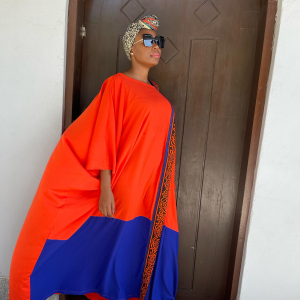
In Senegal and Mali, elegance flows through the Boubou — a long, wide-sleeved gown made of polished cotton or lace. Brides choose soft metallic tones or pastels, accented by fine embroidery and gold jewelry. Grooms mirror them in long embroidered tunics and matching trousers, radiating refinement and tradition.
👗 Discover craftsmanship: Boubou Collection
Boubou Collection
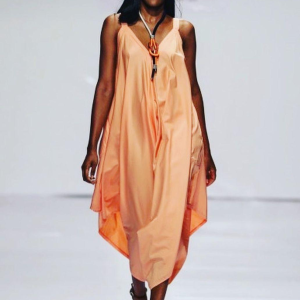
Boho Boubou – Women’s Flowing Dress | Handmade Bohemian Fashion
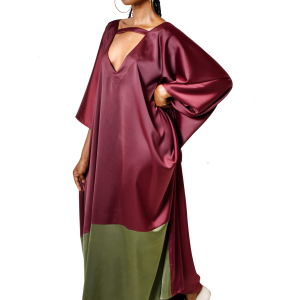
£49.00Boubou in Contrast Colours – Women’s Flowing Kaftan with Plunge Neck | Handmade in Tanzania
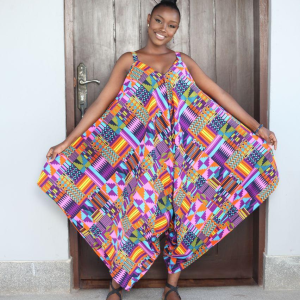
£49.00Boubou in Kitenge – African Print Flowing Dress | Handmade Women’s Boubou
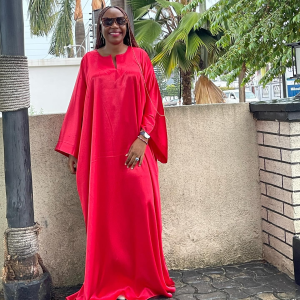
£49.00Boubou Robe – Women’s Flowing Kaftan | Handmade in Tanzania
£49.00Boubou with Contrast Features – African Women’s Flowing Dress | Handmade in Tanzania
£49.00Classic Boubou – Flowing Dress | Handmade in Tanzania
£49.00Full Length Boubou with Contrast Panel
£49.00
East Africa: Grace, Beadwork & Swahili Sophistication
East Africa’s wedding fashion embodies grace — lighter fabrics, fine beadwork, and understated cultural beauty.
Kenya: The Maasai Bead Heritage
Kenyan weddings, especially among the Maasai, are vibrant spectacles. Brides wear bright cloth or leather outfits decorated with layered bead collars — each color symbolizing a blessing: red for bravery, white for purity, blue for love.
Every bead pattern carries ancestral stories, connecting the bride to generations of women before her. Grooms often wear red shukas and beaded accessories to match.
Tanzania: The Kitenge Elegance
In Tanzania, the Kitenge is queen. This patterned cotton fabric, loved for its versatility, transforms into graceful gowns, wrap dresses, or coordinated couples’ outfits. Coastal brides add Swahili flair with embroidered Kangas and gold jewelry, while grooms wear the Kanzu, a crisp ivory tunic often paired with a light shawl.
The result is a timeless look that balances modern simplicity with cultural symbolism.
Uganda & Rwanda: Draped Beauty and Symbolism
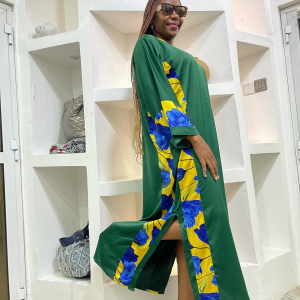
Ugandan brides wear the Gomesi — a brightly colored gown with puffed shoulders and a silk sash — while Rwandan brides opt for the Mushanana, a one-shouldered draped dress in satin or chiffon. These attires exude elegance and respect, blending ancestral beauty with modern finesse.
🕊️ Explore occasion wear inspired by tradition: Party & Occasion Wear
Southern Africa: Bold Tradition, Modern Soul
Southern Africa fuses ancient heritage with bold, contemporary fashion.
South Africa: The Shweshwe Renaissance
Among Zulu, Xhosa, and Sotho communities, Shweshwe fabric — a patterned indigo cotton — is the foundation of traditional weddings. Brides pair Shweshwe skirts or dresses with beadwork, headwraps, and statement necklaces, symbolizing respect and pride.
Modern brides often wear both a white wedding gown and a full traditional look, embodying both ancestry and modernity.
💍 Discover the artistry: Party & Occasion Wear
Zambia & Zimbabwe: Prints and Pride
Zambian and Zimbabwean couples showcase boldness with Chitenge and Ankara prints — expressive fabrics turned into flared skirts, peplum tops, and matching outfits. It’s joyful, coordinated, and deeply familial — a visual celebration of love and lineage.
🧵 Explore printwear: Traditional African Printwear
North Africa: Opulent Heritage and Heirloom Craft
North Africa’s bridal attire bridges African identity with Arab and Mediterranean grandeur.
Morocco: The Royal Caftan
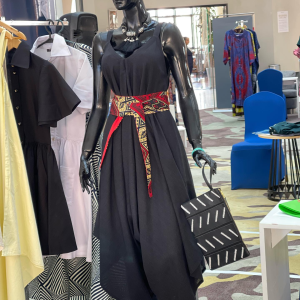
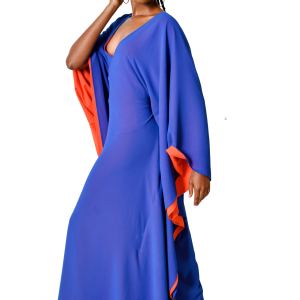
Moroccan brides wear layered Kaftans, embroidered in gold and silver thread, cinched with jeweled belts and crowned with ornate headpieces. Each gown is handmade, often passed down through generations — a legacy of luxury and cultural pride.
✨ View elegant silhouettes: Kaftan, Kimono & Robes
Kaftan, Kimono & Robes
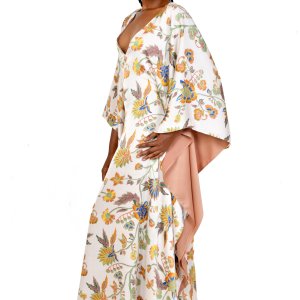
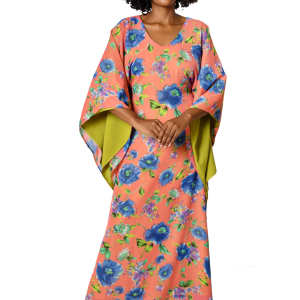
Floral Kaftan
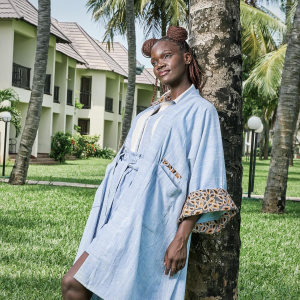
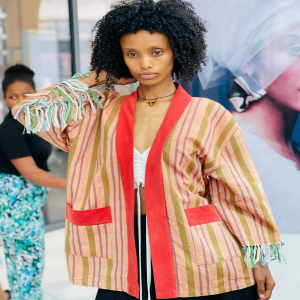
£38.00Handwoven Kimono with Kitenge Trim – Kimono Jacket | Sustainable Women’s Fashion
£59.00Kimono Jacket with pockets and contrast trim hand woven cotton fabric
£59.00Maxi Robe – Full-Length Robe | Handmade Women’s Fashion
£49.00Maxi Robe in Kitenge Full-length with sleeves. Handmade in Tanzania — wear as loungewear, a kimono, or a bold layering piece.
£49.00Plunge Neck Kaftan – Maxi Kaftan Dress with Deep V | Handmade Women’s Fashion
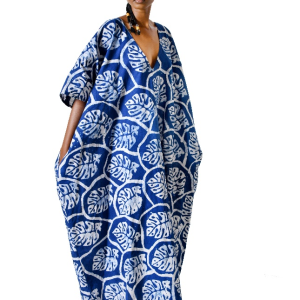
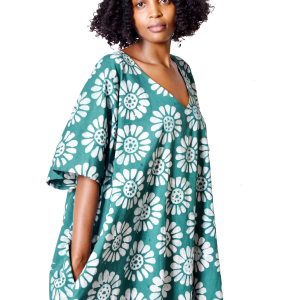
£49.00V-Neck Full-Length Kaftan – African Print Maxi Kaftan Dress | Handmade Women’s Fashion
£38.00
Egypt & Tunisia: Gold, Silk, and Storytelling
Egyptian and Tunisian brides honor their heritage through long silk dresses, velvet robes, and golden chokers. The craftsmanship represents centuries of devotion to beauty and faith — a fusion of art, spirituality, and womanhood.
💎 See refined couture: Dresses Collection
Iconic African Wedding Fabrics & Their Meanings
| Fabric | Origin | Symbolism |
|---|---|---|
| Aso Oke | Nigeria | Nobility, Family Heritage |
| Kente | Ghana | Unity, Prosperity |
| Kitenge | East Africa | Joy, Identity |
| Ankara | West Africa | Creativity, Expression |
| Boubou Lace | West Africa | Elegance, Spiritual Strength |
| Kaftan Silks | North Africa | Royalty, Grace |
🌿 Explore fabrics & silhouettes: Dresses Collection
Modern Interpretations: Heritage Meets High Fashion
Across Africa, designers are redefining bridal fashion — merging tradition with modern elegance. Think mermaid Kente gowns, Aso Oke corsets, Kaftan-inspired lace robes, or Ankara bridal jumpsuits that bridge history and haute couture.
At Moshaki, every design honors cultural roots while embracing contemporary artistry — empowering brides to wear their story proudly.
💕 Shop the collection: Party & Occasion Wear
FAQs
Q: What makes African wedding attire unique?
A: Each garment tells a story — colors, symbols, and fabrics all carry meaning. From Nigeria’s coral beads to Tanzania’s Kitenge prints, attire reflects the beauty of community and heritage.
Q: Can I combine traditional and modern looks?
A: Absolutely! Many brides blend Kente, Aso Oke, or Kaftan fabrics with modern silhouettes for timeless yet fresh designs.
Q: Which fabrics are most popular?
A: Kente, Aso Oke, Kitenge, Shweshwe, Ankara, and lace — each infused with history and artistry.
Conclusion: A Continent Woven in Love
From Nigeria to Tanzania, every stitch in African wedding attire carries a blessing.
At Moshaki, we continue this legacy — creating contemporary pieces rooted in heritage, handmade craftsmanship, and pride.
Your wedding look isn’t just fashion — it’s your story in color, texture, and tradition. Celebrate it in true African style.
🌸 Explore our handcrafted styles: Party & Occasion Wear