

The Ultimate Guide to African Wedding Attire: Traditions, Styles, and Modern Elegance
Planning a wedding is a big deal, isn’t it? Every detail matters, especially when it comes to what you’ll wear. If you’re looking to infuse your special day with rich cultural heritage, then delving into the world of African wedding attire is an absolute game-changer. Trust me on this; it’s not just about clothing, it’s about storytelling, connection, and celebrating a legacy.
Here at Moshaki, we’ve built our brand on celebrating timeless design and African heritage. We understand that each piece isn’t just fabric; it’s a connection to skilled artisans and a profound cultural narrative. So, let’s pull up a chair and talk about how you can make your wedding day truly unforgettable with stunning African attire, blending tradition with modern elegance.
What is the Significance of African Wedding Attire?
When we talk about African wedding attire, we’re not just discussing pretty outfits. We’re talking about garments steeped in history, symbolism, and community spirit. For centuries, clothing in Africa has been more than protection; it’s been a canvas for identity, status, and celebration. In weddings, this intensifies.
Each stitch, pattern, and colour often carries a specific meaning, representing family lineage, tribal affiliation, blessings, or even hopes for fertility and prosperity. It’s a powerful way to honour your roots and literally wear your heritage on your sleeve. This isn’t about following fleeting trends; it’s about embracing something eternal.
How Do African Wedding Traditions Influence Attire Choices?
African wedding traditions are as diverse as the continent itself, and these rich customs heavily influence attire. Think about it: a Ghanaian Kente cloth wedding is vastly different from a Nigerian Yoruba celebration or a South African Zulu ceremony. Yet, a common thread runs through them all – the desire to present the couple, and especially the bride, in a way that reflects beauty, grace, and cultural pride.
In many cultures, there are specific ceremonies where the bride might change outfits multiple times, each one symbolising a different stage of the marriage rites or representing different families being united. For example, a bride might start in an outfit representing her own family, then change into one that signifies her acceptance into her husband’s family. It’s a dynamic, visual feast that tells a story.
Consider the Yoruba bride in Nigeria. Her first outfit, usually a vibrant iro (wrapper), buba (blouse), and gele (head tie) made from Aso Oke or lace, is breathtaking. Later, she might transition into another equally opulent ensemble. This isn’t just for show; it’s a testament to the family’s stature and the joy of the occasion. It’s about making a statement, a bold declaration of love and union.
Exploring Diverse African Wedding Attire Styles: From Traditional to Contemporary
The beauty of African wedding attire lies in its incredible diversity. There’s no single “African style”; instead, you’ll find a kaleidoscope of regional aesthetics, fabrics, and adornments. Let’s break down some of the most iconic.
What are the Main Types of Traditional African Wedding Fabrics?
The fabric choice for African wedding attire is paramount. It’s where much of the artistry and symbolism lies.
- Kente Cloth: Originating from Ghana, Kente is arguably the most globally recognised African textile. Handwoven strips of silk and cotton create intricate patterns, each with its own philosophical meaning. Wearing Kente is a statement of royalty, history, and profound cultural connection.
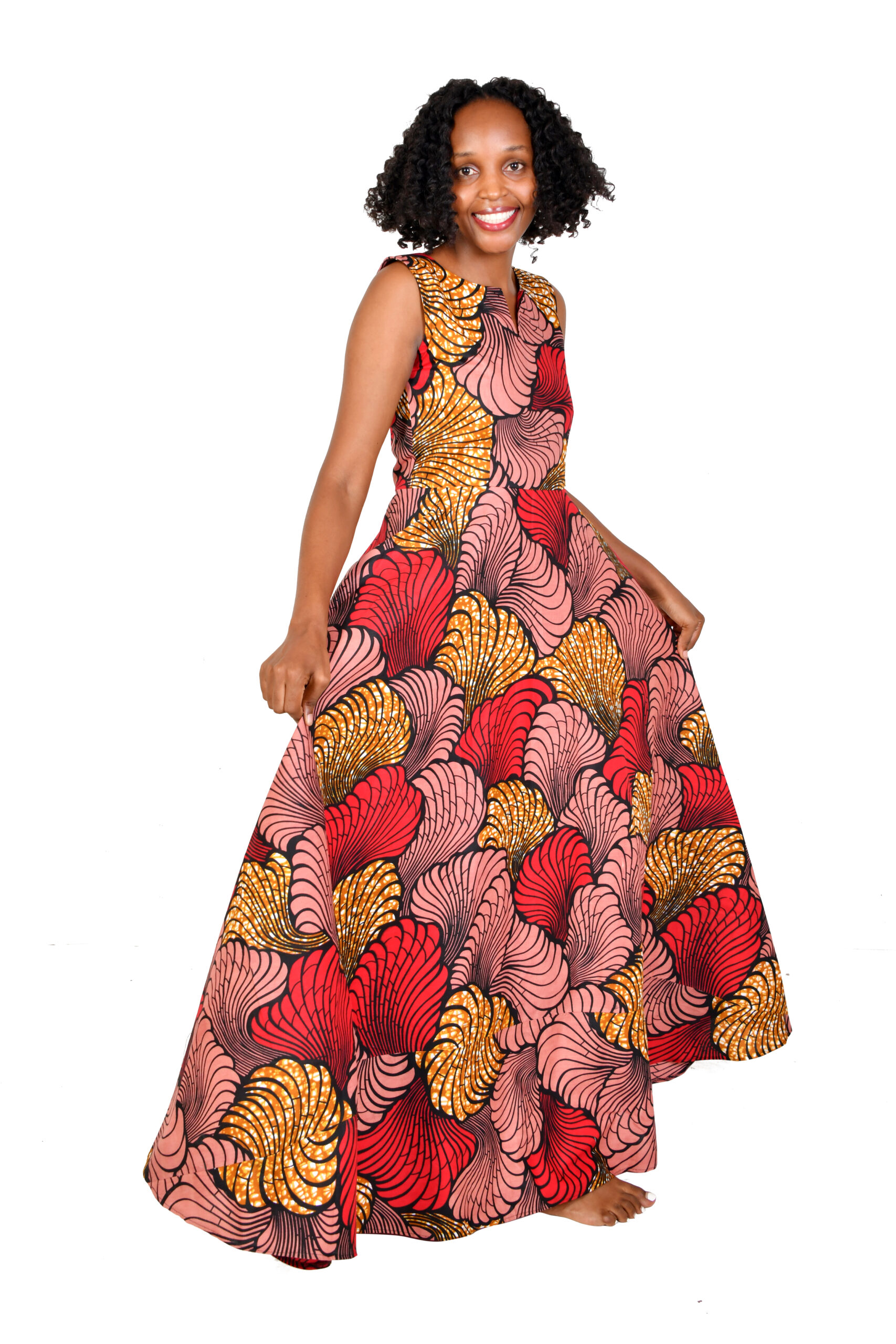
- Ankara (African Wax Print): This vibrant, colourful cotton fabric is ubiquitous across West and Central Africa. While not traditionally handwoven, its bold patterns and versatility have made it a favourite for contemporary African wedding attire. It’s lively, expressive, and perfect for adding a modern twist to traditional styles.
- Aso Oke: A handwoven cloth from the Yoruba people of Nigeria, Aso Oke is traditionally used for special occasions like weddings and chieftaincy ceremonies. It’s heavy, rich, and often woven with metallic threads, giving it a truly regal feel.
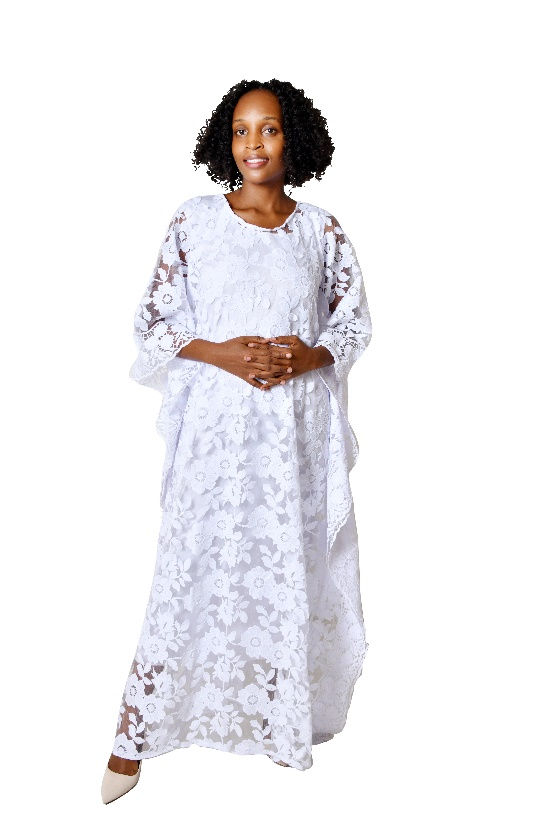
- Lace & George Fabric: These luxurious fabrics, often imported, have become integral to African occasion wear, particularly in Nigerian and Ghanaian weddings. They are frequently embellished with intricate embroidery, beads, and sequins, offering a sophisticated and glamorous look. Our Traditional African Lace Gown is a prime example of this elegance.
- Kitenge: Similar to Ankara but often printed on lighter cotton, Kitenge is popular in East Africa. It features bold, repeating patterns and is celebrated for its comfort and versatility. You’ll see it in everything from everyday wear to stunning wedding ensembles.
How Do Regional Styles Differ in African Wedding Attire?
The continent’s vastness means styles vary dramatically. Here are a few examples:
- West African Grandeur: Think Nigeria and Ghana. Here, it’s all about opulence. Brides often wear elaborate gowns, multi-layered wrappers (iro and buba), and towering gele head ties. Grooms might opt for a voluminous agbada. The emphasis is on rich fabrics, intricate embroidery, and bold, confident silhouettes.
- East African Elegance: In countries like Tanzania, you might see more understated elegance. While vibrant prints are still cherished, there’s often a lean towards gracefully draped fabrics, perhaps a beautifully tailored dress made from Kitenge or a more refined lace. It’s about a quiet sophistication that speaks volumes. Our Full-Length A-Line Sleeveless Dress or a V-Neck A-Line Maxi Dress would be perfect for such an occasion.
- Southern African Royalty: Zulu weddings, for instance, feature distinctive traditional wear like the isicholo (hat) for married women and the umutsha (skirt) adorned with beads. There’s a strong connection to ancestral traditions, often expressed through natural materials and beadwork alongside colourful fabrics.
Modern Elegance: Blending Tradition with Contemporary Trends
Now, this is where it gets really exciting. While tradition is the bedrock, modern African weddings are all about blending that rich heritage with contemporary flair. We’re seeing brides and grooms embrace fusion styles, creating something uniquely their own. It’s about taking those powerful cultural elements and giving them a fresh, modern twist.
Imagine a bride in a classic white wedding dress, but with stunning Kente fabric accents on the train or bodice. Or a groom rocking a tailored suit with a vibrant Ankara bow tie and pocket square. These aren’t compromises; they’re creative statements that show respect for tradition while embracing individual style. It’s about making it *yours* without losing the soul of where you came from.
How to Choose Your Perfect African Wedding Attire?
Choosing your wedding attire is deeply personal, and when you add African heritage into the mix, it becomes an even more profound journey. Here’s my advice, distilled:
- Know Your Roots (or the Roots You’re Adopting): Research the specific traditions of the cultures involved. Understand the symbolism of colours, patterns, and silhouettes. This knowledge will guide your choices and help you make informed decisions.
- Consider the Venue & Season: A heavy Aso Oke might be too much for an outdoor summer wedding in Tanzania, just as a light linen kaftan might feel out of place in a grand cathedral in winter. Practicality matters, even when pursuing elegance.
- Prioritise Comfort: You’ll be wearing this attire for hours, celebrating, dancing, and probably getting hugged a thousand times. Ensure it allows you to move freely and feel confident. A dress might look fantastic on a hanger, but if you can’t breathe, it’s a non-starter.
- Work with Skilled Artisans: This is crucial. At Moshaki, we partner directly with skilled artisans, ensuring fair wages and meticulous craftsmanship. Seek out designers who understand African fabrics and traditional tailoring, but can also execute modern designs with precision. This ensures authenticity and quality.
- Don’t Be Afraid to Personalise: This is your day. Want a dash of Ankara on your veil? Go for it. Dream of a traditional headwrap with a contemporary twist? Make it happen. Fusion is beautiful because it’s a reflection of you.
One bride I know, Sarah, was planning her wedding. She loved the idea of a traditional Nigerian ceremony but also wanted a modern, sleek look for her reception. Her solution? A classic white bridal gown for the church, then a stunning, form-fitting dress crafted from a rich, embroidered lace with subtle Ankara accents for her reception. It was the perfect blend – respecting tradition, yet undeniably her. She even found a gorgeous Classic Full-Length Dress that served as inspiration for her second look.
The Moshaki Difference: Quality, Heritage, and Style
At Moshaki, our mission goes beyond selling clothes. We’re about celebrating and preserving African heritage through design. Every piece of clothing, every handcrafted artefact, is a testament to the skill of our artisans and our commitment to ethical practices. We believe in design with purpose.
We prioritise low-impact fabrics, sustainable packaging, and eco-conscious production methods. This isn’t just a marketing slogan; it’s how we operate. When you choose a Moshaki piece for your wedding or any other occasion, you’re not just getting a beautiful garment; you’re supporting fair wages, safe conditions, and lasting community investment for artisans in Tanzania.
Every stitch, carving, and brushstroke reflects heritage, artistry, and care that goes far beyond fleeting trends. That’s the Moshaki promise.
Frequently Asked Questions About African Wedding Attire
What is the most popular African wedding dress?
There isn’t a single “most popular” dress, as styles vary greatly by region. However, outfits featuring vibrant Ankara (wax print) fabrics, rich Kente cloth, or elegant embroidered lace are highly sought after across many African cultures. The Yoruba traditional wedding attire (iro, buba, gele) is also widely celebrated.
Can I wear African print to a non-African wedding?
Absolutely! African print fabrics like Ankara or Kitenge are known for their vibrant beauty and can be worn to many formal or semi-formal events, including non-African weddings, as long as the style is appropriate for the occasion. It’s a wonderful way to incorporate unique colour and pattern into your look.
What do guests wear to an African wedding?
Guests often wear traditional African attire, such as dresses, suits, or sets made from Aso Ebi (family cloth), Ankara, or Kitenge. It’s common for guests to coordinate colours or patterns as a show of unity and celebration. If you’re unsure, ask the couple or someone close to them for guidance.
How can I make my African wedding attire modern?
You can modernise African wedding attire by incorporating contemporary silhouettes, mixing traditional fabrics with modern cuts (e.g., a Kente accent on a modern gown), choosing unique colour combinations, or adding minimalist accessories. Tailored suits with African print details for grooms also offer a sleek, modern look.
Where can I find authentic African wedding attire?
Authentic African wedding attire can be found through specialist African fashion designers, reputable online stores that work directly with African artisans (like Moshaki), or by commissioning tailors who specialise in traditional African garments. Always look for brands that emphasise quality, ethical sourcing, and genuine craftsmanship.
Final Thoughts on African Wedding Attire
Choosing your African wedding attire is more than just picking out a dress or a suit. It’s an opportunity to connect with a profound heritage, to tell your unique story, and to celebrate love in a style that is both deeply traditional and wonderfully modern. Whether you opt for the grandiosity of Kente, the vibrant energy of Ankara, or the timeless elegance of lace, your choice will be a powerful testament to culture, identity, and the joyous union you’re embarking upon.
Remember, this is your moment to shine, to step into a legacy, and to look absolutely phenomenal while doing it. At Moshaki, we’re here to help you find pieces that resonate with your spirit, crafted with purpose and steeped in the artistry of Africa. Make your wedding day not just special, but legendary.
For more options and to explore our collections, visit our clothing page.
Contact Us:
The Office
Mikocheni Rose Garden Road – Vunjabei, Kinondoni, Dar es Salam
Phone Number
+255 655 220 387
Contact Information
info@moshaki.com
Our Business Hours
Monday – Friday: 8am – 4pm
Saturday – Sunday: 9am – 5pm