
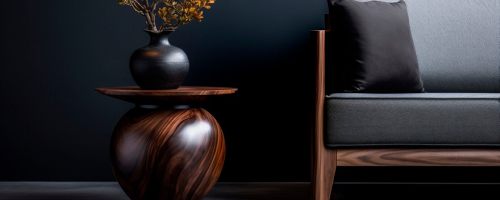
Right, let’s talk brass tacks about something truly special: African art interior design. You might think, “Oh, another trend,” but let me tell you, this isn’t some passing fad. We’re talking about a timeless movement that’s reshaping how we think about our living spaces globally. It’s about bringing history, soul, and undeniable character into your home, not just filling a void with another mass-produced item. At Moshaki, we’re all about celebrating this heritage, connecting you with pieces that tell a story, crafted with purpose.
I’ve seen a lot of interior design fads come and go. People chase the ‘next big thing,’ and usually, they end up with a sterile, soulless space that looks just like everyone else’s. But when you introduce authentic African art? That’s when things get interesting. You’re not just decorating; you’re curating. You’re injecting personality, depth, and a narrative that resonates far beyond mere aesthetics. This isn’t fluff; this is impact.
What Exactly is African Art Interior Design?
Simply put, African art interior design is the intentional integration of traditional and contemporary African art, textiles, and handcrafted artefacts into modern living spaces. It’s about more than just hanging a mask on the wall (though that’s a great start!). It’s about creating an atmosphere that speaks of cultural richness, bold colours, natural textures, and a profound connection to human history and craftsmanship.
Think about it: while other design movements might focus on minimalism or specific colour palettes, African art brings with it a built-in narrative. Each piece, whether it’s a meticulously carved sculpture or a vibrant textile, carries the legacy of generations of artisans. It’s a direct link to diverse cultures, spiritual beliefs, and the raw beauty of the continent. And that, my friend, is something you can’t replicate with off-the-shelf décor.
Why Is African Art Becoming a Global Design Staple?
The world is shrinking, and people are craving authenticity. We’re tired of generic. We want our homes to reflect who we are, where we’ve been, and what we value. African art delivers precisely that. It’s a conversation starter, a statement piece, and a constant source of inspiration. Here’s why it’s not just popular, it’s essential:
- Unparalleled Authenticity: Each piece is often handmade, telling a unique story of its origin and creator. You’re getting a piece of history, not just decoration.
- Rich Cultural Narrative: These aren’t just pretty objects; they’re imbued with meaning, symbolism, and tradition. They connect your space to a broader human experience.
- Versatility: African art blends seamlessly with various design styles – from minimalist and industrial to bohemian and traditional. It adds warmth without overpowering.
- Natural Materials & Textures: Expect raw woods, earthy pigments, woven grasses, and rich fabrics. These elements bring an organic, grounding feel to any room.
- Ethical Sourcing: When you buy from places like Moshaki, you’re often supporting fair trade practices and skilled artisans directly, ensuring their heritage thrives. That’s a purchase with purpose.
How to Integrate African Art into Your Home: Practical Steps
Okay, you’re convinced. You want to weave African artistry into your home. But where do you start? It’s not about cluttering; it’s about strategic placement and thoughtful curation. Here’s my no-nonsense guide to getting it right:
1. Start with a Statement Piece
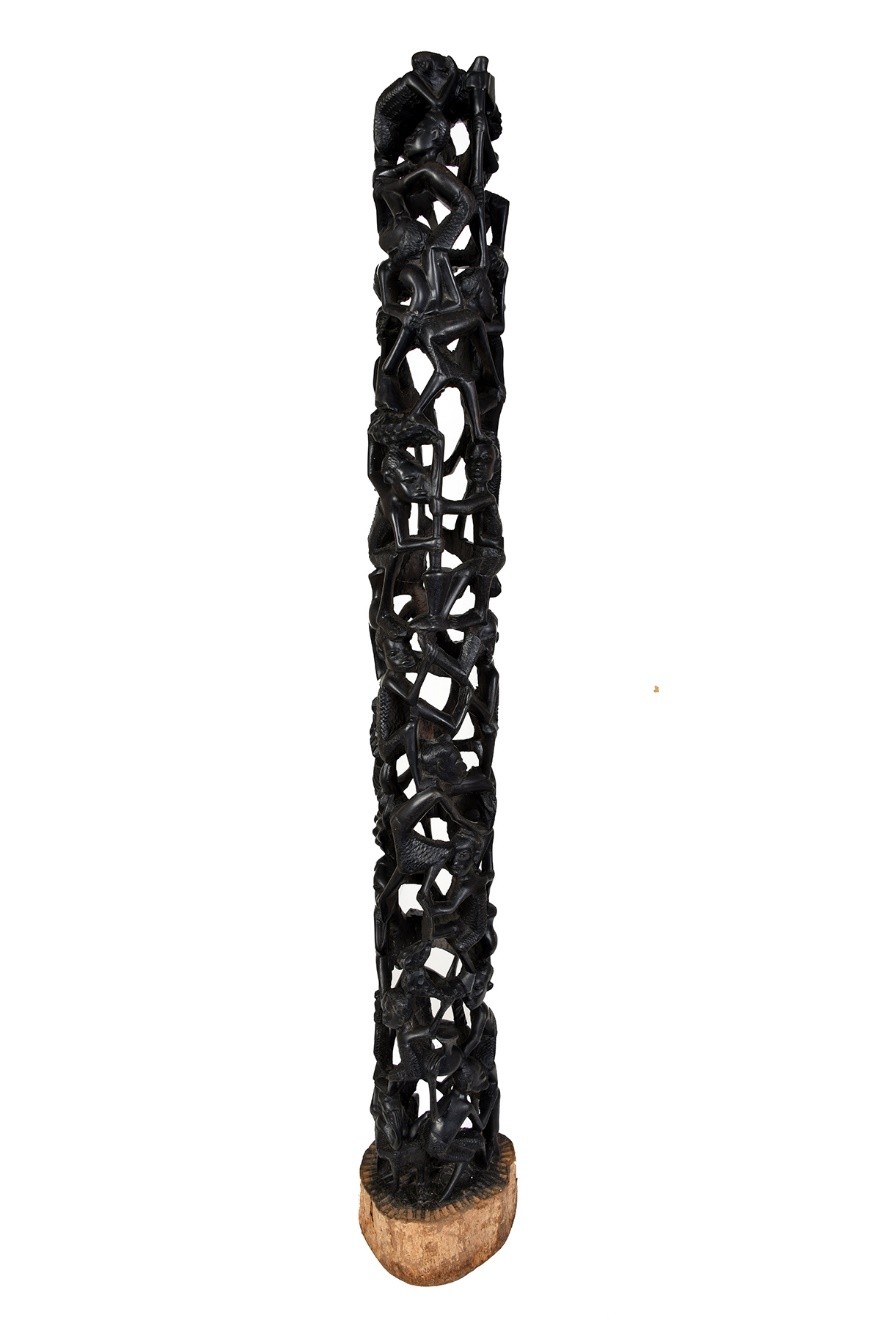
Don’t just dabble. Go for impact. A large African sculpture or an eye-catching mask can anchor a room and immediately draw attention. For instance, imagine a grand Makonde Tree of Life sculpture commanding your living room. It’s not just decor; it’s a focal point, a piece that ignites conversation and grounds your space.
This Makonde Tree of Life Sculpture, for example, isn’t just a carving; it’s a testament to community, family, and the interconnectedness of generations. It’s a conversation starter, a piece of art that instantly elevates the spiritual and aesthetic value of your space. Or consider a powerful Luba-inspired Heritage Mask to add a burst of cultural energy to your walls. These aren’t just objects; they’re cultural statements.
2. Mix & Match Textures and Materials
African interior design aesthetics thrive on natural elements. Think beyond just wood carvings. Integrate woven baskets, clay pottery, jute rugs, or mudcloth cushions. These textures add warmth, depth, and an organic feel that contrasts beautifully with modern, sleek furniture. It’s about creating layers that invite touch and exploration.
Don’t be afraid to pair a rustic wooden stool with a plush velvet sofa. The juxtaposition creates visual interest and makes your space feel curated, not just decorated. The key here is balance. You don’t want your home to look like a museum; you want it to feel lived-in, global, and utterly unique.
3. Embrace Earth Tones and Bold Accents
The African landscape is a masterclass in colour. Rich earth tones – deep browns, terracotta, sandy beiges – form the backbone. But then you have the pops of vibrant colour: the brilliant blues of Maasai beads, the fiery reds of Ndebele patterns, the stark black and white of graphic Kuba cloths. Use these as accents to inject energy. A neutral room can come alive with a single, brightly patterned cushion or a striking piece of African art.
4. Curate Your Collectibles Thoughtfully
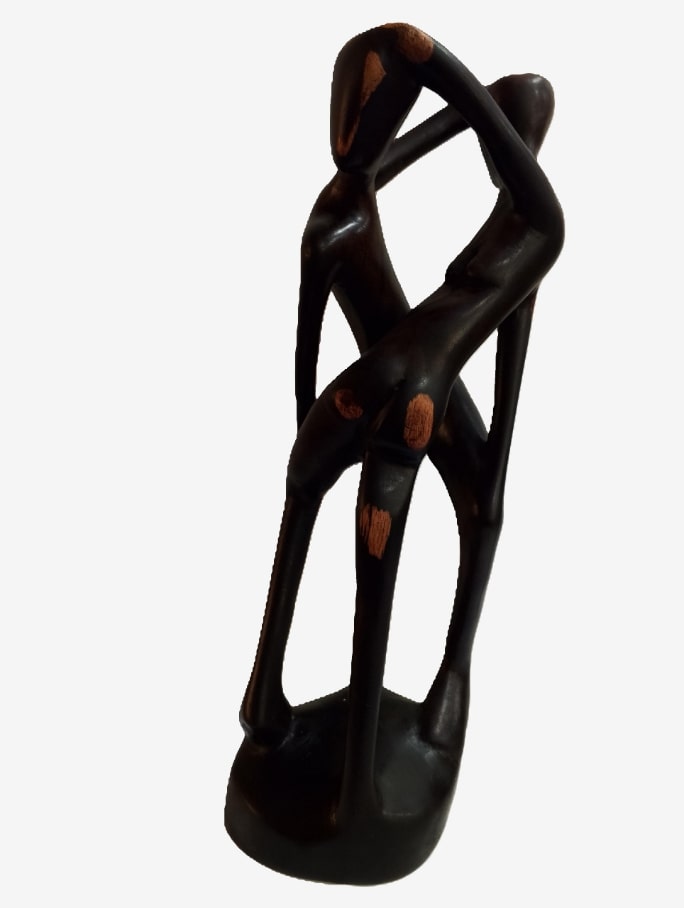
Every piece should earn its place. Don’t just buy something because it’s ‘African.’ Buy it because it speaks to you, because you understand its story, or because its craftsmanship is exceptional. A small, contemplative piece like the Hand-Carved “Man in Thought” Sculpture can add a quiet moment of reflection to a bookshelf or desk, telling a subtle story of wisdom and introspection.

Remember, the goal isn’t to recreate an entire African village in your living room. It’s about bringing elements that resonate, that add depth and soul. Think of it like building a wardrobe: you need your foundational pieces, but it’s the accessories that give it character.
5. Support Ethical Sourcing and Artisans
This is critical. True African art interior design isn’t just about the piece; it’s about the provenance. At Moshaki, we’re committed to promoting local craftsmanship, fair trade practices, and sustainable materials. When you choose a piece from us, you’re not just buying art; you’re investing in a livelihood, a cultural tradition, and a sustainable future.
As we always say, “Every stitch, carving, and brushstroke reflects heritage, artistry, and care beyond trends.” That’s the Moshaki promise, and it should be your guiding principle when selecting your pieces. Avoid mass-produced imitations; seek out the genuine articles. The difference in energy and impact is palpable.
Real Talk: Common Mistakes to Avoid
Alright, let’s get blunt. While incorporating African art is fantastic, there are pitfalls. Here’s how to steer clear:
- The “Museum” Trap: Don’t make your home feel like an exhibition. Your pieces should feel integrated, lived with, and loved. Avoid lining up items like they’re in a display case.
- Ignoring Scale: A tiny mask on a huge wall looks lost. A massive sculpture in a cramped room feels overwhelming. Pay attention to proportion and how a piece interacts with its surroundings.
- Overdoing It: Less is often more. One powerful piece is better than a dozen mediocre ones. Let your chosen items breathe and speak for themselves. Don’t drown them out.
- Forgetting Practicality: Some pieces are delicate. If you have kids or pets, a floor-standing sculpture in a high-traffic area might not be the smartest move. Balance aesthetics with daily life.
- Buying Without Understanding: Don’t just buy something because it looks ‘tribal.’ Take a moment to understand its origin, its symbolism. That knowledge adds immense value and personal connection. If you’re unsure, ask! We’re always here to share the stories behind our collections.
This isn’t rocket science, but it requires a bit of intentionality. Treat your home like a canvas, and African art as your most compelling colours.
Beyond Borders: African Art’s Global Footprint
The influence of African art interior design isn’t confined to specific homes or regions; it’s a global phenomenon. From high-end Parisian apartments to minimalist Scandinavian lofts, designers worldwide are recognizing the power and versatility of these pieces. They provide a much-needed antidote to the bland, mass-produced uniformity that has dominated interiors for too long.
This global appreciation means more visibility for African artisans, more economic opportunities, and a greater understanding of diverse cultures. It’s a win-win. When you choose to integrate these pieces, you’re not just making a design choice; you’re participating in a broader cultural exchange and supporting a legacy of craftsmanship that spans millennia.
It’s about opening your home and your mind to a world of artistry that is as diverse as the continent itself. Each region, each tribe, each artisan brings their unique interpretation of beauty, utility, and spirituality to their creations. That’s a depth of choice you simply won’t find anywhere else.
Frequently Asked Questions About African Art in Interior Design
Q: Is African art only suitable for bohemian or eclectic interiors?
A: Absolutely not. While it certainly shines in bohemian spaces, African art is incredibly versatile. Its organic forms, rich textures, and often minimalist silhouettes (especially in abstract carvings) blend beautifully with modern, minimalist, industrial, or even classical interiors. It adds warmth and character without clashing.
Q: How can I ensure the African art I buy is authentic and ethically sourced?
A: Always buy from reputable sources that explicitly state their commitment to fair trade and artisan support, like Moshaki. Look for details about the origin, material, and the artisans themselves. Transparency is key. Avoid marketplaces with suspiciously low prices or vague product descriptions.
Q: What kind of African art pieces are best for beginners?
A: Start with what speaks to you. If you prefer subtle, try smaller abstract sculptures or woven baskets. For bolder statements, a tribal mask or a larger figurative carving works well. Consider pieces made from rich hardwoods like ebony, which offer a sophisticated, timeless appeal.
Q: How do I care for my African wooden art and masks?
A: Most wooden pieces require minimal care:
- Dust gently with a soft, dry cloth.
- Keep away from direct sunlight to prevent fading or cracking.
- Avoid excessive moisture or extreme temperature changes.
- Occasionally, you can apply a natural wood oil or beeswax to maintain its sheen and protect the wood.
Q: Can African art be displayed outdoors?
A: Generally, no. Most traditional African art pieces are made from natural materials like wood, fabric, and pigments that are not designed to withstand outdoor elements (rain, direct sun, humidity). They should be kept indoors to preserve their integrity and beauty for years to come.
Bringing It All Home: Your Space, Enriched
So there you have it. The secret to elevating your home from ‘nice’ to ‘wow’ often lies in the intentional inclusion of significant, meaningful pieces. African art interior design isn’t just about aesthetics; it’s about story, heritage, and soul. It’s about bringing the vibrant energy of a continent into your personal sanctuary.
At Moshaki, we’re passionate about bringing these authentic, handcrafted treasures to you. Every piece we curate—from clothing to art and décor—is a testament to skilled artisans and our rich cultural heritage. We believe in design with purpose, promoting fair trade, sustainability, and quality that truly lasts beyond trends.
Ready to infuse your home with purpose and unparalleled style? Explore our collection of original art and handcrafted artefacts today. Let’s make your space truly yours, a reflection of global beauty and timeless heritage.
Need a hand or have questions about a particular piece? Don’t hesitate to reach out:
The Office
Mikocheni Rose Garden Road – Vunjabei, Kinondoni, Dar es Salam
Phone Number
+255 655 220 387
Contact Information
info@moshaki.com
Our Business Hours
Monday – Friday: 8am – 4pm
Saturday – Sunday: 9am – 5pm
And remember, your home isn’t just a place; it’s a statement. Make it a powerful one.