

The Art of Investment: Why Authentic African Art is a Growing Market
Let’s talk brass tacks. You’re looking to put your money where it truly counts, right? Well, forget the noise about volatile stocks or fleeting trends for a moment. I’m here to tell you something game-changing: the real deal, authentic African art, isn’t just a pretty picture or a decorative carving. It’s a seriously undervalued asset class, a powerhouse that’s rapidly gaining traction among savvy collectors and investors globally. This isn’t about fleeting fads; this is about legacy, culture, and undeniable value. If you’ve been on the fence, wondering where to make an impactful move, then a robust investment in African art might just be your next big win.
For too long, African art was relegated to ethnographic museums or seen merely as ‘craft.’ But those days are over. The world is waking up to the profound beauty, intricate history, and undeniable cultural significance of pieces from across the continent. From ancient masks echoing generations of wisdom to contemporary sculptures pushing boundaries, each piece tells a story, carries a spirit, and, increasingly, holds significant financial weight. Think about it: scarcity, provenance, and intrinsic value – these are the hallmarks of a great investment, and authentic African art has them in spades. We’re talking about tangible assets that appreciate, not depreciate, over time. It’s not just about owning something beautiful; it’s about owning a piece of history, a cultural narrative, and a smart portfolio move.
Why Should You Consider Investment in African Art Now?
Look, I don’t give advice lightly. When I say now is the time, I mean it. The market for authentic African art is in a unique sweet spot. It’s been historically undervalued compared to its Western counterparts, but that’s changing fast. Major international auction houses, prominent galleries, and serious collectors are finally giving African art the attention it deserves. This isn’t speculation; it’s a recalibration of value, and if you get in now, you’re positioning yourself for significant upside.
Here’s the truth: the demand is surging. As global awareness of African cultures grows, so does the appreciation for its artistic output. This isn’t just about big institutional buys either. Everyday collectors, those with an eye for quality and a desire for unique pieces, are driving this market forward. What you buy today as a stunning decorative piece could very well be a significant asset tomorrow. At Moshaki, we understand this blend of cultural significance and investment potential. We curate original art and handcrafted artefacts that enrich contemporary living, connecting you to skilled artisans and our profound cultural heritage. It’s art with purpose, built on quality, heritage, and undeniable style.
What Makes African Art a Unique Investment Opportunity?
Alright, let’s break down why this isn’t just another asset class. When you invest in African art, you’re buying into several unique factors that give it a distinct edge:
- Scarcity & Authenticity: Genuine, traditionally made African art is finite. Many pieces are one-of-a-kind, hand-carved, or crafted using techniques passed down through generations. This isn’t mass production; it’s unique artistry. Identifying authentic pieces, with verifiable provenance, ensures you’re not just buying a souvenir, but a genuine cultural artifact.
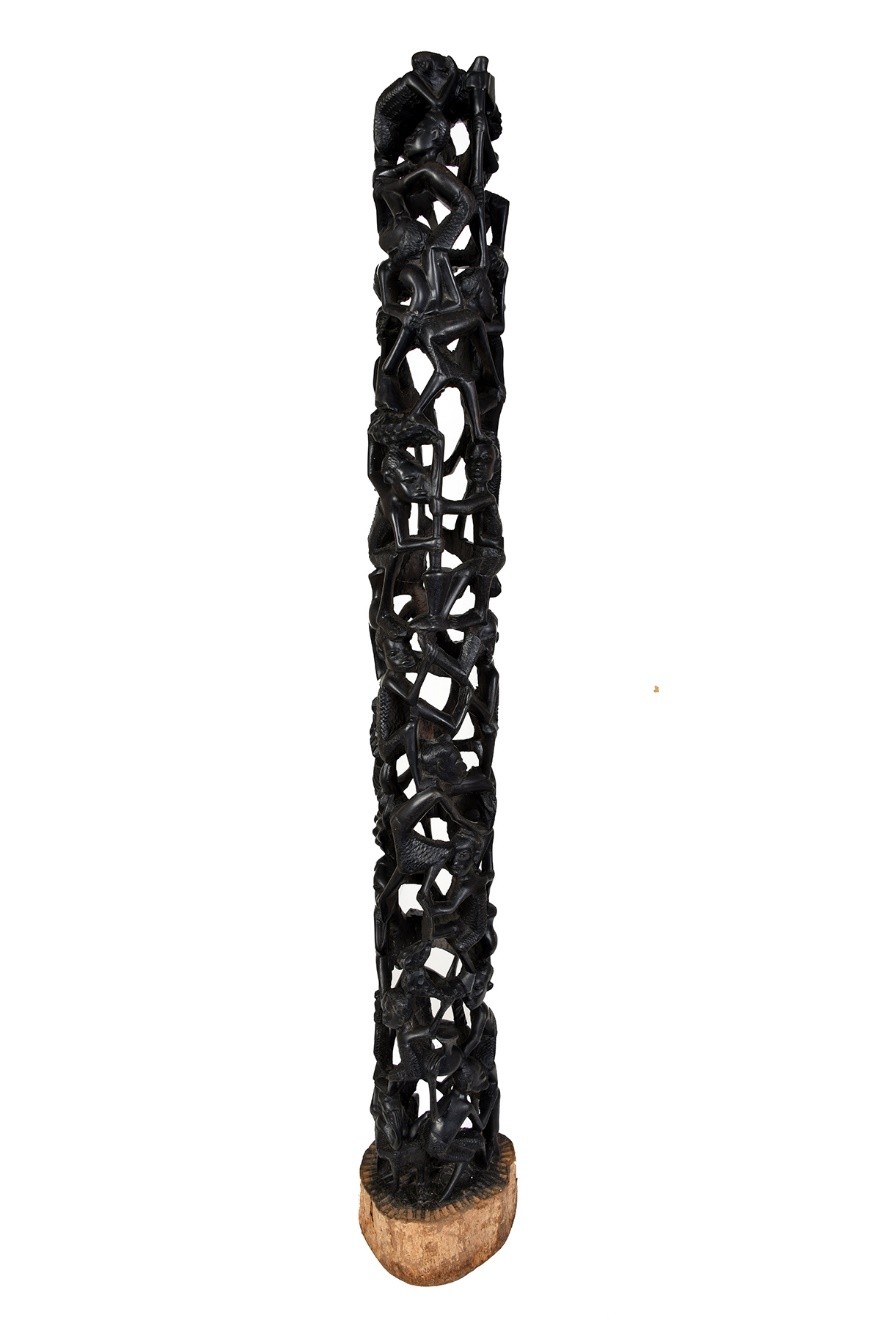
- Cultural & Historical Significance: Each piece carries layers of meaning, reflecting spiritual beliefs, social structures, historical events, and community values. This intrinsic cultural capital makes it more than just an object; it’s a storyteller, a vessel of history. For instance, a Makonde Tree of Life sculpture isn’t just wood; it’s a living testament to family unity and community strength.
- Growing Global Demand: As I mentioned, the world’s major art players are stepping up. Exhibitions, dedicated auctions, and academic interest are all contributing to a wider, deeper market. This expanded audience means more buyers, which, in turn, drives up value.
- Tangible Asset: In an increasingly digital and intangible world, owning a physical asset with inherent beauty and historical weight is incredibly appealing. You can touch it, display it, and connect with it daily. It’s not just a number on a screen; it’s a piece of the world.
- Diversification: Adding authentic African art to your portfolio provides excellent diversification. It often moves independently of traditional financial markets, offering a hedge against economic fluctuations.
How Can You Begin Your Investment in African Art?
So, you’re convinced. You want in. But where do you start? It’s not as daunting as it seems, especially when you have a clear roadmap. My advice? Start smart, stay curious, and always seek authenticity.
First off, educate yourself. Read up on different tribes, regions, and their distinct artistic styles. The diversity is immense, from the geometric patterns of the Dogon to the intricate beadwork of the Yoruba. Understanding the cultural context of a piece dramatically increases your appreciation and helps you identify truly significant works. Look for pieces with a strong aesthetic appeal that also resonate with you personally. After all, you’ll be living with this art, so it should speak to you.
Secondly, seek out reputable sources. This is crucial. Just like any investment market, there are those looking to make a quick buck off inauthentic pieces. Work with established galleries, trusted dealers, and platforms committed to ethical sourcing and fair trade. At Moshaki, for instance, we ensure every piece promotes local craftsmanship, fair trade practices, and the use of sustainable materials. We’re about design with purpose, connecting you directly to the artisans and their stories.
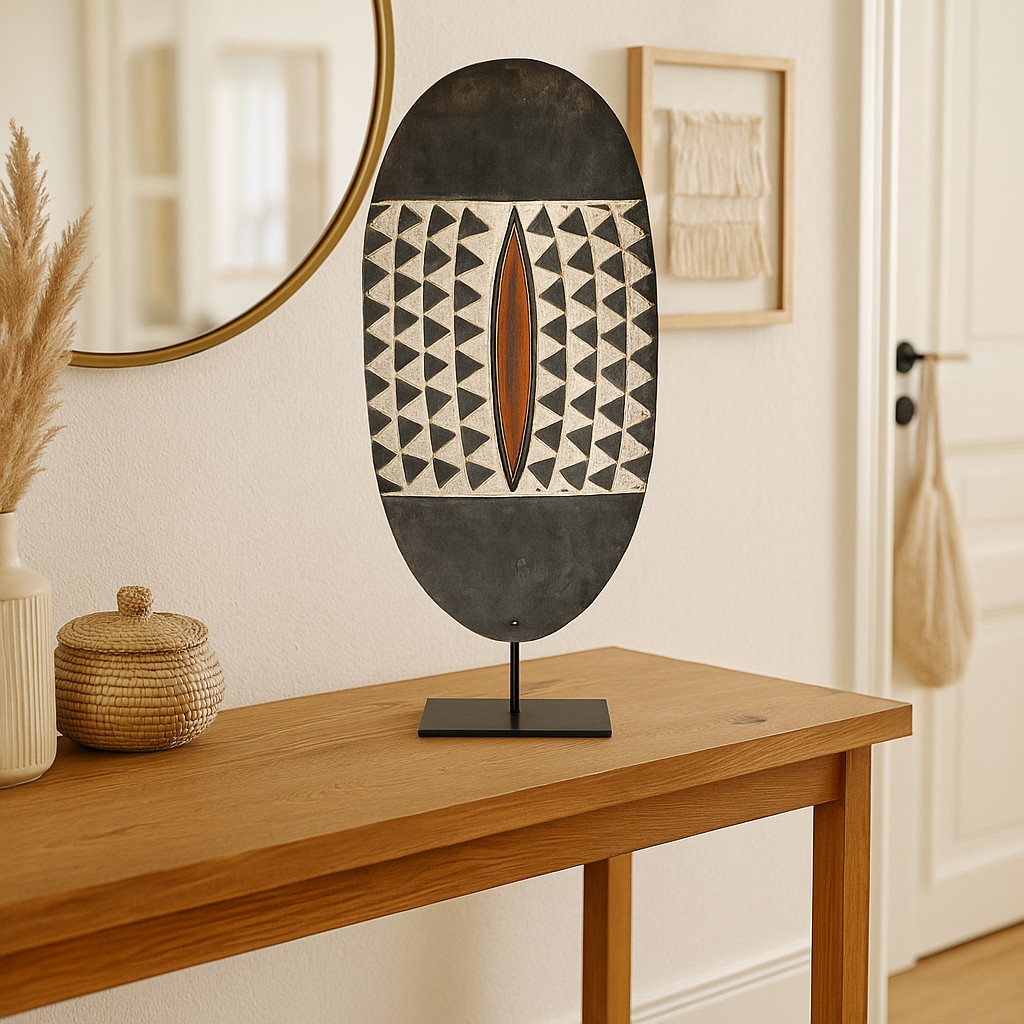
Consider pieces that are culturally rich and aesthetically striking. A hand-carved African tribal shield, for example, is not only a stunning display piece but also a historical artifact that speaks of protection and community. These are the kinds of items that hold their value and appreciate.
Identifying Valuable African Art for Your Collection
Knowing what to look for can feel like cracking a code, but it’s simpler than you think. Here’s my no-nonsense guide:
- Provenance is King: This is non-negotiable. Can the seller trace the history of the piece? Where did it come from? Who owned it previously? A clear, documented history adds immense value and assures authenticity. Don’t settle for vague answers.
- Material Quality & Craftsmanship: Examine the materials. Is it genuine hardwood, natural pigments, or ethically sourced adornments? Look for evidence of skilled hands – intricate carvings, smooth finishes, or unique decorative elements. Mass-produced items often lack this depth and detail. For example, our Heritage African Tribal Mask is hand-carved from hardwood and finished with striking red natural pigments, reflecting the artistry of the Luba people.
- Rarity & Uniqueness: Is it a one-of-a-kind piece, or a commonly reproduced design? While reproductions can be beautiful, unique items by known or highly skilled anonymous artists often command higher prices and appreciate more significantly.
- Condition: While some wear can add to the charm and historical narrative of an antique piece, significant damage can impact value. Understand what kind of wear is acceptable for a given type of artifact.
- Cultural Significance: Pieces that embody deep cultural meaning, used in rituals, ceremonies, or as symbols of status, often hold higher value. These are not just objects; they are conduits of cultural memory.
The Moshaki Difference: Investing in Art with Purpose
At Moshaki, we’re not just selling art; we’re inviting you to be part of a movement. We believe in design with purpose. Every stitch, carving, and brushstroke reflects heritage, artistry, and care that goes far beyond fleeting trends. When you choose a piece from us, you’re not just making an investment in African art, you’re investing in:
- Local Craftsmanship: We work directly with skilled artisans, ensuring fair wages and safe conditions. This supports communities and preserves invaluable traditional skills.
- Fair Trade Practices: Our commitment to fair trade means every purchase empowers the artists and their communities, fostering sustainable livelihoods.
- Sustainable Materials: We prioritize low-impact fabrics, sustainable packaging, and eco-conscious production methods, honouring both art and our planet.
- Cultural Heritage: Each item we curate is a piece of African heritage, bringing stories, traditions, and a tangible connection to rich cultures into your home.
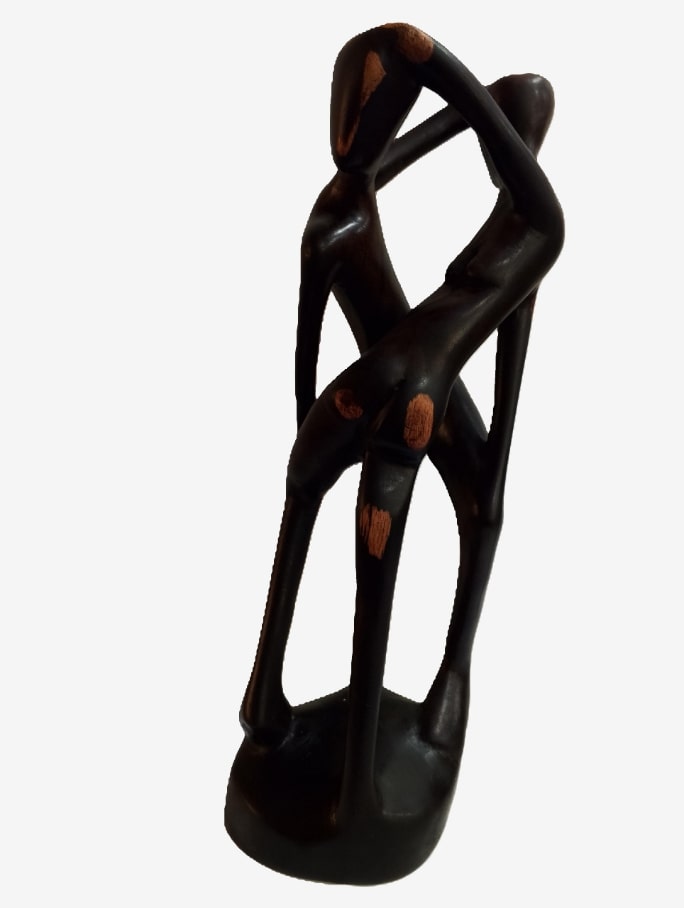
Consider a hand-carved African couple sculpture. It’s not just a beautiful abstract form; it’s a celebration of love and unity, handcrafted with generations of expertise. That’s the kind of value – both cultural and aesthetic – that truly lasts.
Common Questions About Investment in African Art
What is authentic African art?
Authentic African art refers to pieces created by African artisans, typically using traditional methods and materials, often steeped in cultural, spiritual, or historical significance. It’s not mass-produced and carries genuine provenance.
How do I know if an African art piece is a good investment?
Look for pieces with documented provenance, high-quality craftsmanship, genuine materials, and significant cultural or historical relevance. Rarity and aesthetic appeal also play a big role. Working with reputable dealers is key to verifying these aspects.
Is the African art market stable for investment?
While no market is without fluctuations, the African art market has shown consistent growth and increasing global interest, making it an increasingly stable and attractive sector for long-term investment, especially for authentic, high-quality pieces.
Can I find valuable African art even if I’m not a millionaire?
Absolutely. The market is diverse. You can start by collecting pieces from emerging artists or less ‘famous’ tribes, or focus on smaller, yet historically rich, artifacts. Patience and research are your best friends here. You don’t need deep pockets to build a meaningful and valuable collection.
Where can I view more authentic African art?
Many renowned museums globally, such as the British Museum in London or the Metropolitan Museum of Art in New York, have significant African art collections. Online, reputable galleries like Moshaki offer carefully curated selections, or you can explore local African art fairs and cultural centres.
Final Thoughts on the Investment in African Art
So, there you have it. The secret’s out. An investment in African art isn’t just a passion project for the cultured elite; it’s a sound, strategic move for anyone serious about building a portfolio with true depth and long-term appreciation. This isn’t about flashy returns overnight. This is about real value, cultural legacy, and owning something truly unique that will continue to appreciate as the world increasingly recognises its profound importance.
The time to act is now, before the market fully catches up to the true worth of these magnificent pieces. Dive in, educate yourself, seek out quality and authenticity, and you’ll find yourself not only with a stunning collection but a wise investment that tells a story for generations to come. At Moshaki, we’re here to guide you, offering pieces that embody the heart and soul of African artistry and heritage. Let’s make an impact, together.
Useful links: https://moshaki.com/arts-artifacts/
Contact Moshaki
The Office
Mikocheni Rose Garden Road – Vunjabei, Kinondoni, Dar es Salam
Phone Number
+255 655 220 387
Contact Information
info@moshaki.com
Our Business Hours
Monday – Friday: 8am – 4pm
Saturday – Sunday: 9am – 5pm