

The Story Behind African Textiles: Heritage, Craft, and Innovation
Let’s be honest, how often do you stop and think about the clothes you wear? Not just the brand, but the actual fabric, the patterns, the history woven into every thread? Today, I want to pull back the curtain on something truly extraordinary: the rich and captivating African Textiles Story. It’s more than just cloth; it’s a living testament to creativity, resilience, and profound cultural identity. And trust me, once you see it, you won’t look at fabric the same way again.
At Moshaki, we’re obsessed with celebrating timeless design and African heritage. That’s why we create high-quality clothing and curate original art, handcrafted artefacts, and décor that truly enrich contemporary living. Every piece connects you directly to skilled artisans and our vibrant cultural heritage. It’s design with purpose, for those who appreciate quality, history, and unmistakable style.
What Makes African Textiles So Unique?
You might think fabric is just fabric, right? Wrong. African textiles are a different beast entirely. They’re not mass-produced; they’re stories told in cotton, silk, and raffia. They’re history, ritual, and a bold statement, all rolled into one.
Imagine this: generations of artisans passing down techniques, not just patterns. From the intricate resist-dyeing of Adire in Nigeria to the bold, geometric weaves of Kente from Ghana, each piece carries a piece of its maker’s soul and a fragment of community wisdom. These aren’t just clothes; they’re wearable art, steeped in meaning.
The Deep Roots: Tracing the Ancient Traditions of African Textiles
The story of African textiles doesn’t start yesterday. We’re talking about techniques that date back millennia. Think about the ancient Egyptians with their finely woven linen, or the intricate raffia cloths found in the Congo Basin, some thousands of years old. This isn’t just about preserving the past; it’s about understanding the foundations upon which modern artistry stands.
- Linen: Used extensively in ancient Egypt, showcasing remarkable skill and durability.
- Raffia: Known from Central Africa, transformed into complex weaves, dyes, and embroidered pieces.
- Cotton: Introduced centuries ago and adapted locally, becoming a cornerstone of West African weaving.
These early innovations laid the groundwork for the diverse textile landscape we see today. They tell a tale of ingenuity and resourcefulness, often using locally available materials to create items of both practical utility and immense spiritual significance.
Take, for instance, our Linen Pocket Dress. It’s a minimalist, sustainable piece handmade in Tanzania, crafted from breathable linen. This is more than just a dress; it’s a nod to linen’s centuries-old value as a durable, eco-friendly textile, reimagined for the modern woman who values tradition and sustainability.

The Craft: How is Authenticity Woven into African Fabric?
Authenticity isn’t just a buzzword here; it’s the bedrock. The methods are often labour-intensive, requiring immense skill, patience, and a deep understanding of materials. We’re talking about processes that can take weeks, even months, for a single, elaborate piece.
The Art of Dyeing: Vibrant Hues and Natural Pigments
Have you ever really looked at the depth of colour in an authentic African textile? It’s not just a splash of paint. It’s a deliberate, often ceremonial, process. Artisans have mastered the extraction of dyes from nature – indigo from plants, rich browns from kola nuts, vibrant reds from camwood. Each colour isn’t random; it often holds symbolic meaning, communicating status, wealth, or even specific messages.
For example, the deep indigo blues of some fabrics are achieved through multiple dips and oxidisation, a process that’s as much science as it is art. The result is a colour that doesn’t just sit on the surface but penetrates the very fibre, ensuring longevity and a unique patina that develops with age. It’s a genuine investment, not just in fabric, but in a tradition.
Weaving Techniques: From Loom to Legacy
From simple hand looms to more complex setups, the weaving techniques in Africa are incredibly diverse. Each region has its signature style, developed over centuries.
- Strip Weaving: Think Kente cloth. Narrow strips, often just a few inches wide, are woven individually and then meticulously sewn together to form a larger cloth. This process is incredibly precise and symbolic, with each strip contributing to a larger narrative.
- Mud Cloth (Bogolanfini): From Mali, this isn’t woven with patterns, but rather painted with fermented mud. It’s a slow, deliberate process where the iron-rich mud reacts with specific dyes to create stunning, earthy patterns that tell stories and offer protection.
- Adire and Tie-Dye: Resist dyeing techniques where patterns are created by tying, stitching, or waxing parts of the fabric before dyeing. The result is a burst of unpredictable beauty, ensuring no two pieces are exactly alike.
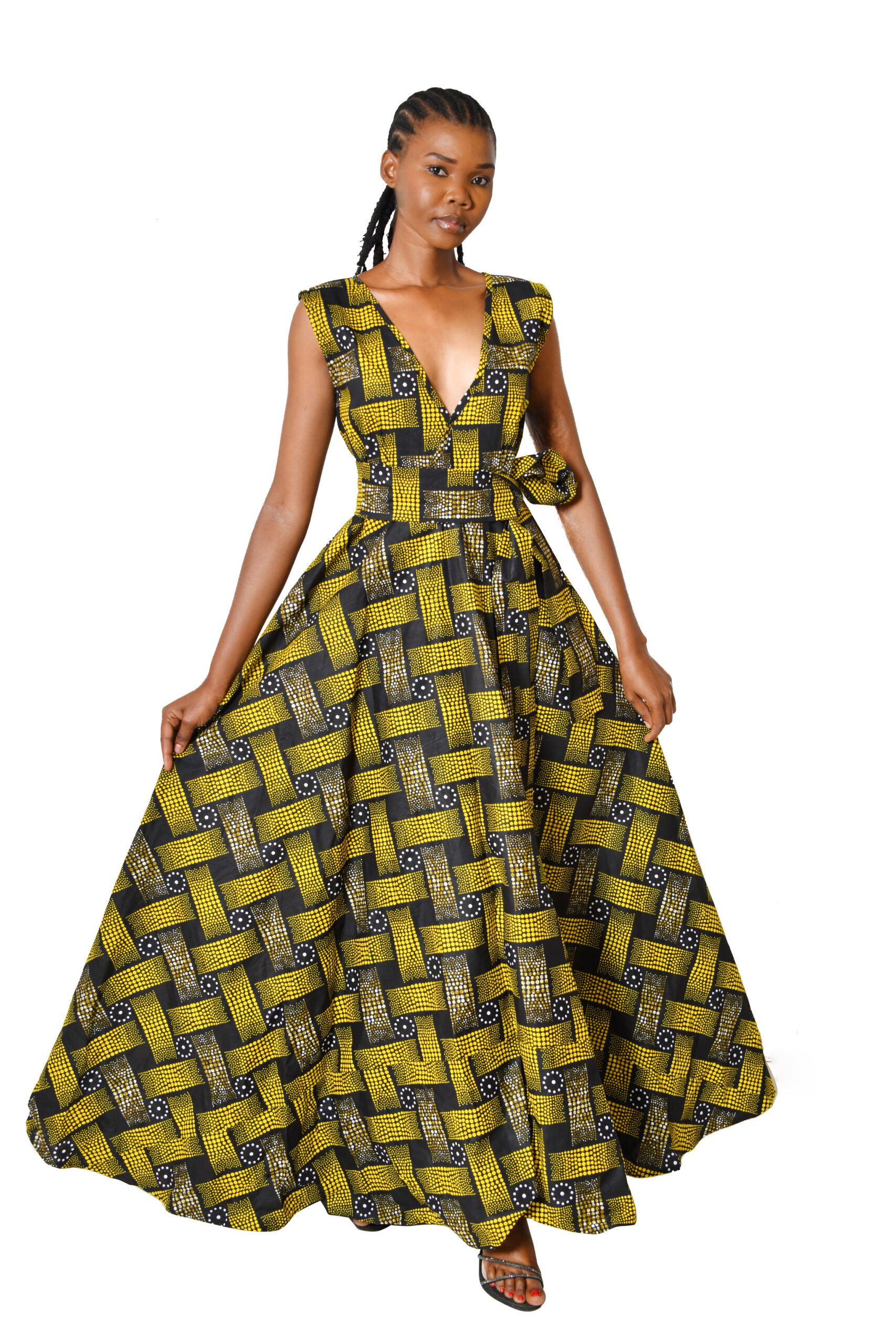
This hands-on approach ensures that every garment, like our A-Line Maxi Gown in Cotton Kitenge, carries the unique touch of the artisan. When you wear something like this, you’re not just wearing a dress; you’re carrying a legacy, a testament to incredible human skill and dedication.
Innovation: How Are African Textiles Evolving Today?
Now, here’s where it gets interesting. While tradition is crucial, innovation isn’t ignored. Modern African textile artists and designers are taking these ancient techniques and pushing them into exciting new territories. They’re bridging the gap between heritage and contemporary fashion, making it relevant for a global audience.
Fusion and Modern Design: New Life for Old Patterns
Think about designers who are incorporating traditional patterns into modern silhouettes or experimenting with new colour palettes. They’re taking the essence of African print fabric and giving it a fresh twist. It’s not about abandoning the past, but building upon it, creating something that feels both deeply rooted and effortlessly current.
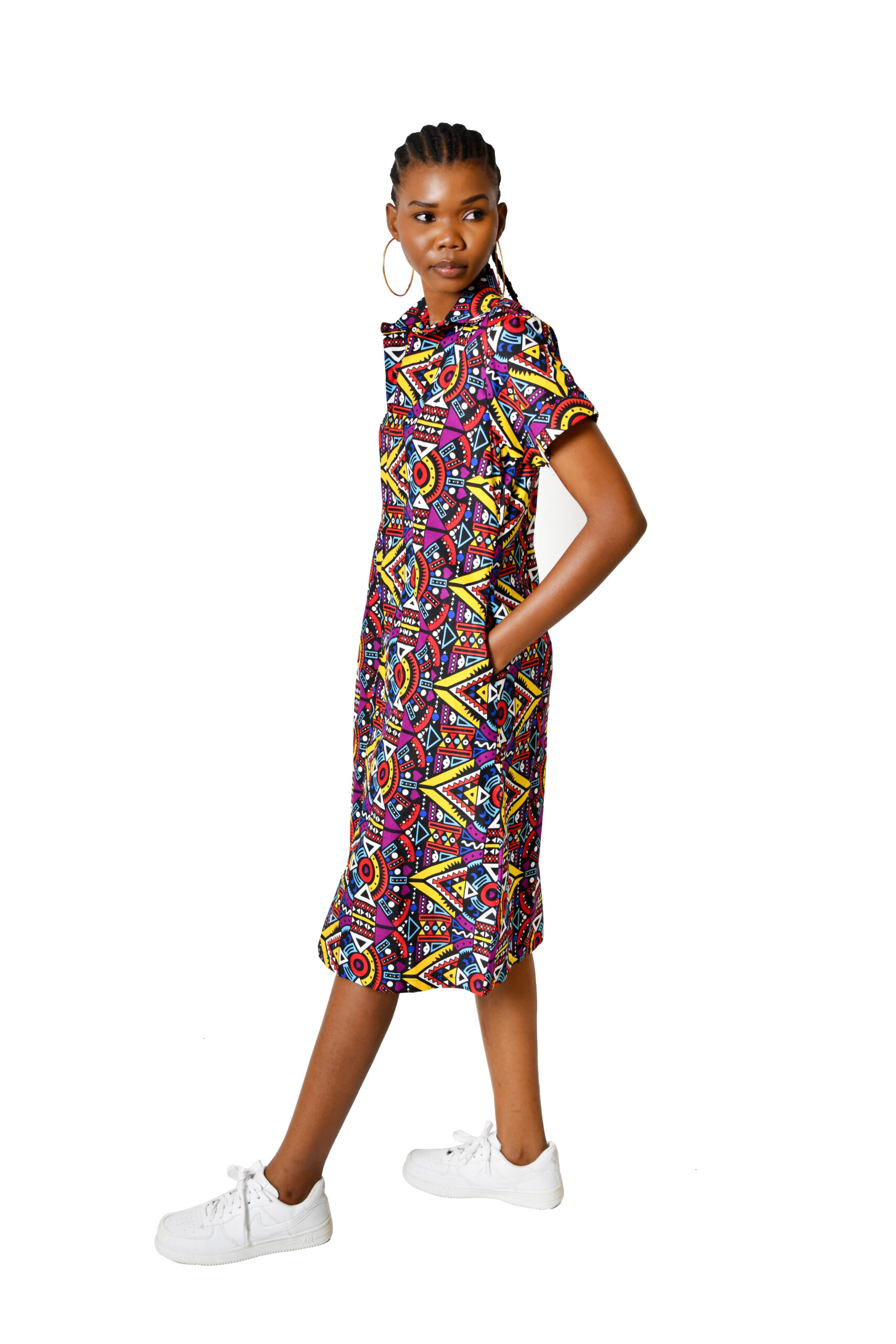
At Moshaki, this is what drives us. We believe in design with purpose. We marry classic African styles with contemporary cuts, creating pieces that are unique, stylish, and ethical. Our Kitenge Shirt Dress, for example, takes vibrant African wax print cotton and transforms it into a versatile button-down dress. Wear it closed, wear it open as a layering piece – it’s functional, fashionable, and fundamentally African.
Sustainable Practices: Weaving a Better Future
This is critical. In a world saturated with fast fashion, African textile traditions naturally align with sustainable practices. Many artisans use organic materials, natural dyes, and traditional hand-powered looms, which have a significantly lower environmental impact. This isn’t a new trend for them; it’s how it’s always been done.
At Moshaki, environmental stewardship is a core value. We prioritise low-impact fabrics, sustainable packaging, and eco-conscious production methods. Every Moshaki piece promotes local craftsmanship, fair trade practices, and the use of sustainable materials. It’s about more than just looking good; it’s about doing good.
We work closely with artisans, ensuring fair wages and safe conditions. This isn’t charity; it’s a partnership, a way to ensure that the heritage and the craft continue to thrive for generations to come. When you choose an item from Moshaki, you’re not just buying a product; you’re investing in a community, in skills, and in a more sustainable future.
For more options that blend cultural heritage with modern style, check out our full range of African-inspired clothing. You’ll find pieces that not only look incredible but tell a compelling African Textiles Story.
The Cultural Significance: Beyond the Fabric
It’s not just about aesthetics. African textiles are imbued with deep cultural and social meanings. They are living archives, transmitting history, social status, philosophical thought, and spiritual beliefs.
- Identity and Status: Certain patterns or colours might signify tribal affiliation, marital status, or even a person’s role within the community. Wearing a specific textile can be a declaration of who you are and where you come from.
- Rites of Passage: Textiles often play a central role in ceremonies – births, weddings, funerals. They mark transitions, celebrate milestones, and honour ancestors. They are not merely decorations; they are active participants in cultural life.
- Communication: Historically, textiles were a form of non-verbal communication. Specific symbols woven or dyed into the cloth could convey proverbs, historical events, or moral lessons. It’s like reading a book, but with patterns instead of words.
When you see a piece of Fugu from Ghana, or a vibrant Kitenge from East Africa, you’re not just seeing colours and shapes. You’re seeing a condensed version of a people’s history, their values, and their aspirations. It’s powerful stuff.
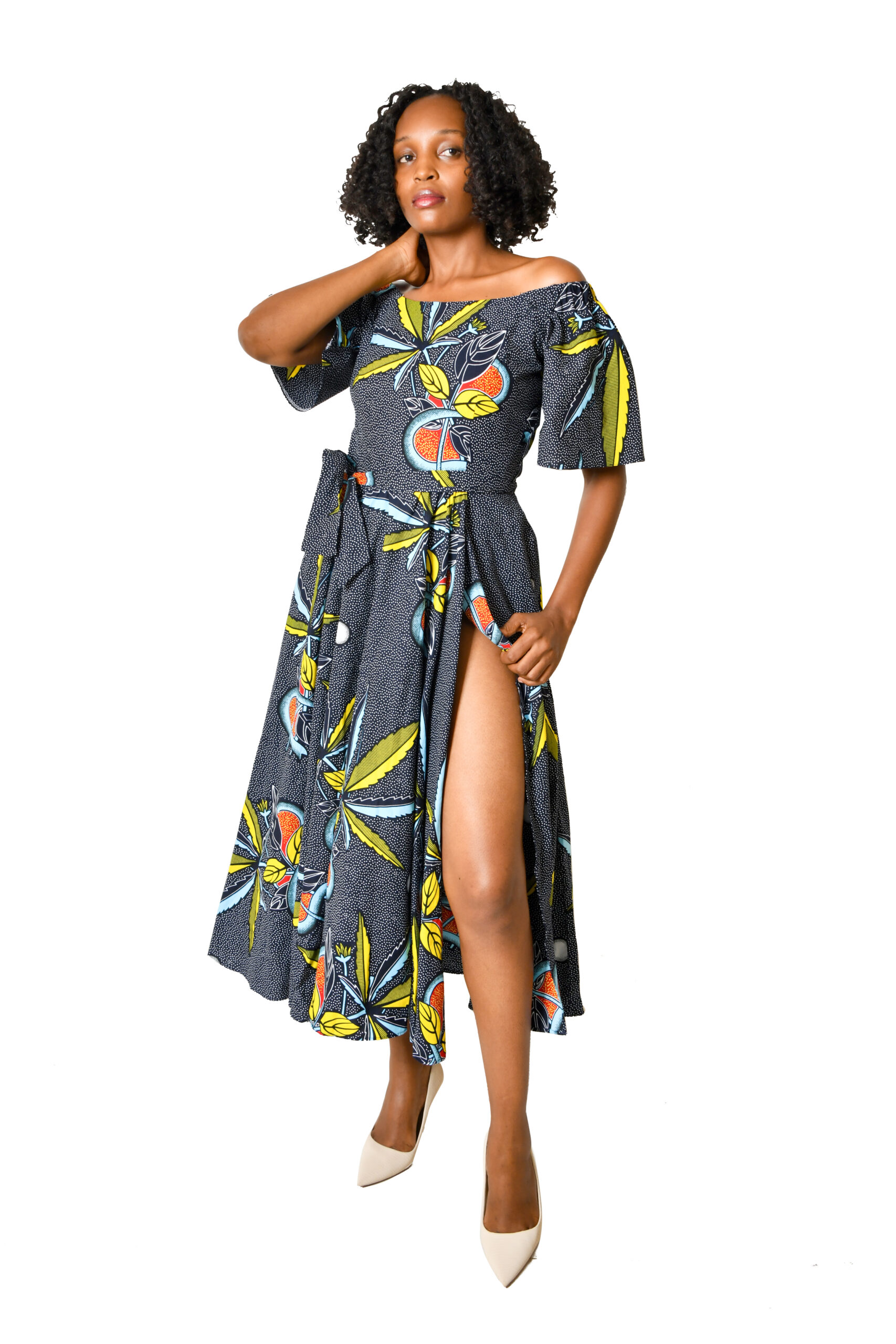
Our Scoop Neck Bell Sleeve Midi Dress, handcrafted from African wax print cotton, embodies this spirit. It’s a statement piece that blends drama with elegance, perfect for cultural celebrations or simply adding Afrocentric flair to your everyday wardrobe.
How Do African Textiles Influence Global Fashion?
It’s no secret that African aesthetics have significantly impacted global fashion, art, and design. From runway collections in Paris to street style in London, the influence is undeniable. But it’s a double-edged sword, isn’t it?
Appreciation vs. Appropriation: Getting it Right
There’s a fine line between genuine appreciation and thoughtless appropriation. True appreciation means understanding the history, respecting the craftsmanship, and, crucially, supporting the communities who create these textiles. It means buying from ethical sources and giving credit where it’s due.
This is where brands like Moshaki step in. We are committed to working directly with artisans, ensuring fair trade practices and investing in the communities where our pieces originate. When you choose Moshaki, you’re choosing a brand that understands the profound value of this heritage and strives to uphold its integrity.
The Future of African Textiles: A Global Dialogue
The future is bright. African textiles are no longer confined to traditional markets or niche boutiques. They are global players, inspiring conversations about sustainability, cultural identity, and artistic expression. This dialogue is essential for ensuring these vibrant traditions continue to evolve and thrive, enriching lives both in Africa and worldwide.
It’s about creating a market that values the hand-made, the meaningful, and the story behind every stitch. It’s about empowering artisans and showcasing their incredible talent on a global stage. This isn’t just about selling clothes; it’s about building bridges, sharing culture, and fostering a deeper appreciation for the artistry that has shaped a continent for centuries.
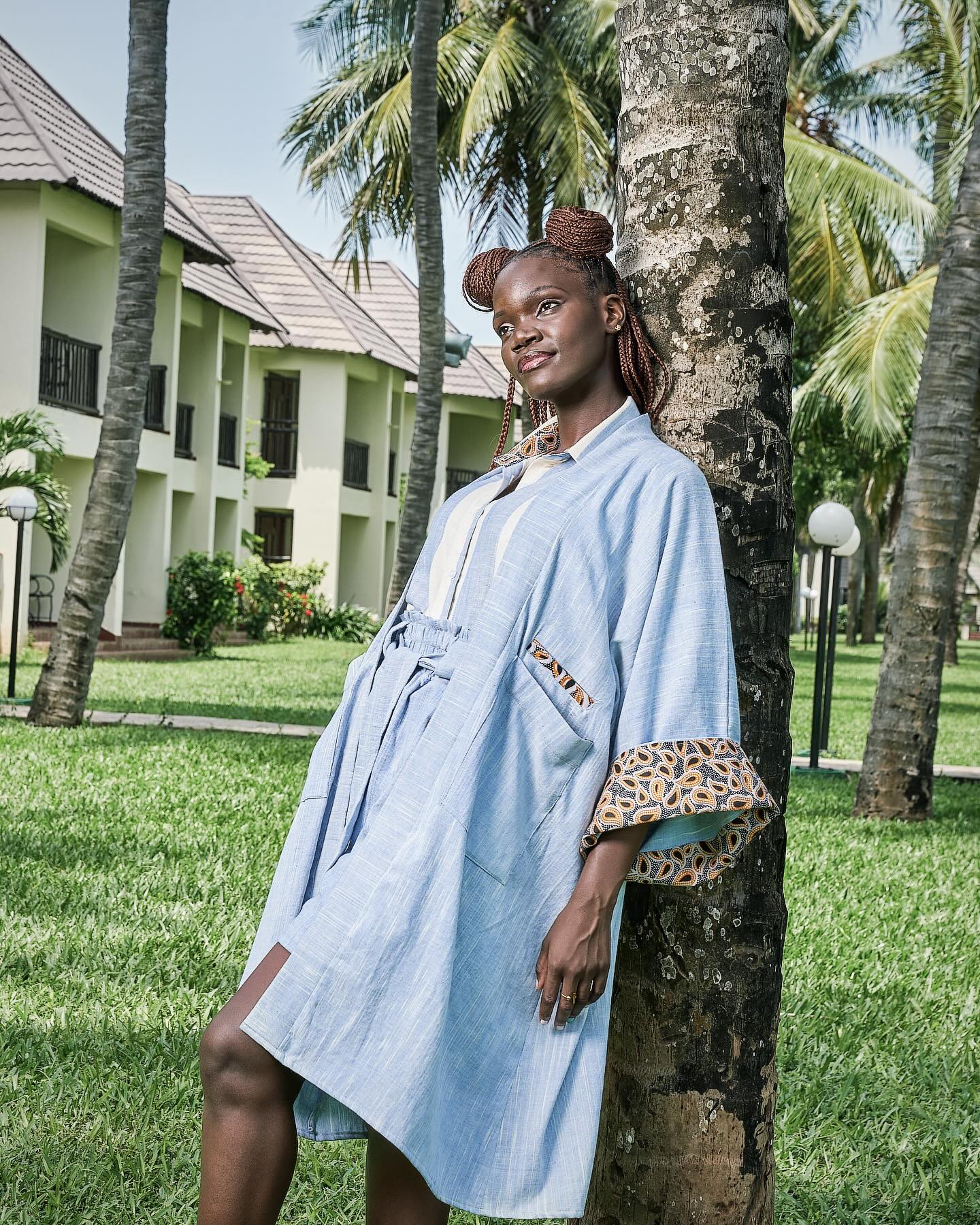
Our Handwoven Kimono with Kitenge Trim is a prime example. It blends handwoven fabric with authentic African kitenge trim, offering a lightweight, versatile layer that’s rooted in culture yet perfect for modern wardrobes. It’s wearable art with a story.
Frequently Asked Questions About African Textiles
What are the most famous types of African textiles?
Some of the most famous include Kente cloth from Ghana, Kitenge and Ankara wax prints popular across East and West Africa, Bogolanfini (mud cloth) from Mali, and Adire from Nigeria. Each has unique patterns, colours, and cultural significance.
Why are African textiles so culturally significant?
They are more than just fabric; they serve as a visual language. They can communicate identity, social status, rites of passage, historical events, and philosophical beliefs through their patterns, colours, and motifs. They are often central to ceremonies and community life.
Are African textiles sustainable?
Many traditional African textile production methods are inherently sustainable, using natural fibres, plant-based dyes, and hand-powered looms. Brands like Moshaki prioritise these eco-conscious practices, supporting artisans and preserving the environment.
How can I ensure I’m buying authentic African textiles ethically?
Look for brands that openly share their sourcing and production processes. Seek out businesses that work directly with artisans, ensure fair wages, and invest in local communities. This helps ensure both authenticity and ethical practices.
How do African textiles inspire modern fashion?
African textiles inspire modern fashion through their bold patterns, vibrant colours, and unique textures. Designers often draw upon traditional motifs and weaving techniques, blending them with contemporary silhouettes to create innovative and culturally rich garments.
Bringing the African Textiles Story to Your Wardrobe
So, there you have it. The African Textiles Story is a powerful narrative of heritage, undeniable craft, and constant innovation. It’s about artistry that transcends time, passed down through generations, and reimagined for today’s world. It’s about more than just looking good; it’s about feeling connected, making a statement, and supporting a legacy.
At Moshaki, we’re proud to be a part of this story. We create clothing that celebrates this rich heritage, ensuring every stitch reflects quality, artistry, and care. We believe in design with purpose, and we invite you to explore our collection and find a piece that speaks to you.
Ready to wear a piece of history and support incredible craftsmanship? Visit Moshaki.com today and discover the beauty for yourself.
Contact Details:
The Office
Mikocheni Rose Garden Road – Vunjabei, Kinondoni, Dar es Salam
Phone Number
+255 655 220 387
Contact Information
info@moshaki.com
Our Business Hours
Monday – Friday: 8am – 4pm
Saturday – Sunday: 9am – 5pm