

Alright, let’s get real about something important: fashion. Not just any fashion, but Ethical African Fashion. If you’re anything like me, you’ve probably seen the headlines – fast fashion, environmental damage, questionable labour practices. It’s a mess, frankly. But there’s a powerful counter-movement, a wave of incredible African brands, like Moshaki, that are doing things differently. They’re not just selling clothes; they’re building legacies, empowering communities, and championing sustainability. And trust me, once you understand what’s really going on, you won’t look back.
What is Ethical African Fashion and Why Does It Matter So Much?
So, what exactly are we talking about when we say ‘ethical African fashion’? It’s pretty straightforward, really. It means clothing and accessories designed, sourced, and produced in Africa, but with a crucial difference: it prioritises people and the planet over profit margins. We’re talking fair wages, safe working conditions, eco-friendly materials, and a deep respect for cultural heritage.
Why does it matter? Because for too long, Africa has been exploited. Resources taken, labour underpaid, creativity overlooked. Ethical African fashion flips that narrative on its head. It’s about building a sustainable ecosystem where local artisans thrive, traditional crafts are preserved, and the environment isn’t trashed for a quick buck. It’s about empowering people, giving them agency, and ensuring they receive what they deserve for their incredible talent and hard work. It’s about design with purpose, and that’s a philosophy we wholeheartedly believe in at Moshaki.
How Do Ethical African Fashion Brands Make a Real Difference?
This isn’t just theory; it’s happening on the ground, creating tangible impact. Ethical African fashion brands are fundamentally reshaping the industry from within. They’re not waiting for others to fix the problems; they’re getting stuck in and building solutions.
Fair Labour and Empowering Artisans: It’s About Respect
Let’s talk about fair labour. In many parts of the world, garment workers are paid pennies, working in unsafe conditions. It’s a scandal. But with ethical African brands, the focus is squarely on treating people right. This means:
- Fair Wages: Artisans are paid a living wage, not just the bare minimum. This enables them to support their families, send their children to school, and invest in their future. It’s a simple concept, but revolutionary in an industry often built on exploitation.
- Safe Conditions: Workshops are clean, safe, and respectful environments. No dodgy chemicals, no unreasonable hours, just proper, dignified workspaces.
- Skill Development: Many brands actively invest in training and skill development. This isn’t just about production; it’s about nurturing talent, preserving traditional techniques, and creating long-term career paths. At Moshaki, we partner directly with skilled artisans, ensuring their craftsmanship is not only celebrated but also fairly compensated.
- Community Investment: It goes beyond individual artisans. Ethical brands often invest in broader community projects, from education to healthcare, creating a ripple effect of positive change.
Take, for instance, a master weaver I know in a small village. Before, he struggled to get consistent work and fair prices for his intricate handwoven fabrics. Now, through partnerships with ethical brands, his craft is in demand. He employs apprentices, his children are in school, and his family’s future looks brighter than ever. That’s the power of conscious consumption.
Sustainable Practices for a Greener Future: Less Talk, More Action
The fashion industry is a major polluter. We all know it. But ethical African fashion is showing us a better way. They’re not just talking about sustainability; they’re embedding it into every aspect of their operations.
- Local Sourcing: By sourcing materials locally – think organic cotton, linen, natural dyes, and traditional African wax prints (Kitenge) – brands significantly reduce their carbon footprint. This also supports local agriculture and textile industries.
- Eco-Friendly Fabrics: Beyond just local, many prioritise fabrics with a low environmental impact. Linen, for example, is a fantastic choice – durable, breathable, and requires far less water and pesticides than conventional cotton. Our Linen Pocket Dress and Linen Midi Dress are prime examples of this commitment.
- Waste Reduction: From upcycling fabric scraps into new designs to implementing zero-waste cutting techniques, these brands are constantly innovating to minimise their environmental impact. Less waste in landfills means a healthier planet.
- Conscious Production: This includes everything from water-saving dye processes to using renewable energy where possible. Every step is considered, ensuring that creation doesn’t come at the cost of destruction.
At Moshaki, our commitment to environmental stewardship means we’re constantly looking for low-impact fabrics and sustainable packaging. We believe quality and eco-consciousness go hand-in-hand.

Discovering Brands That Truly Stand Out
So, where do you find these game-changers? Brands that aren’t just selling a product but a promise? You need to look for those who walk the talk, whose entire business model is built on integrity and impact.
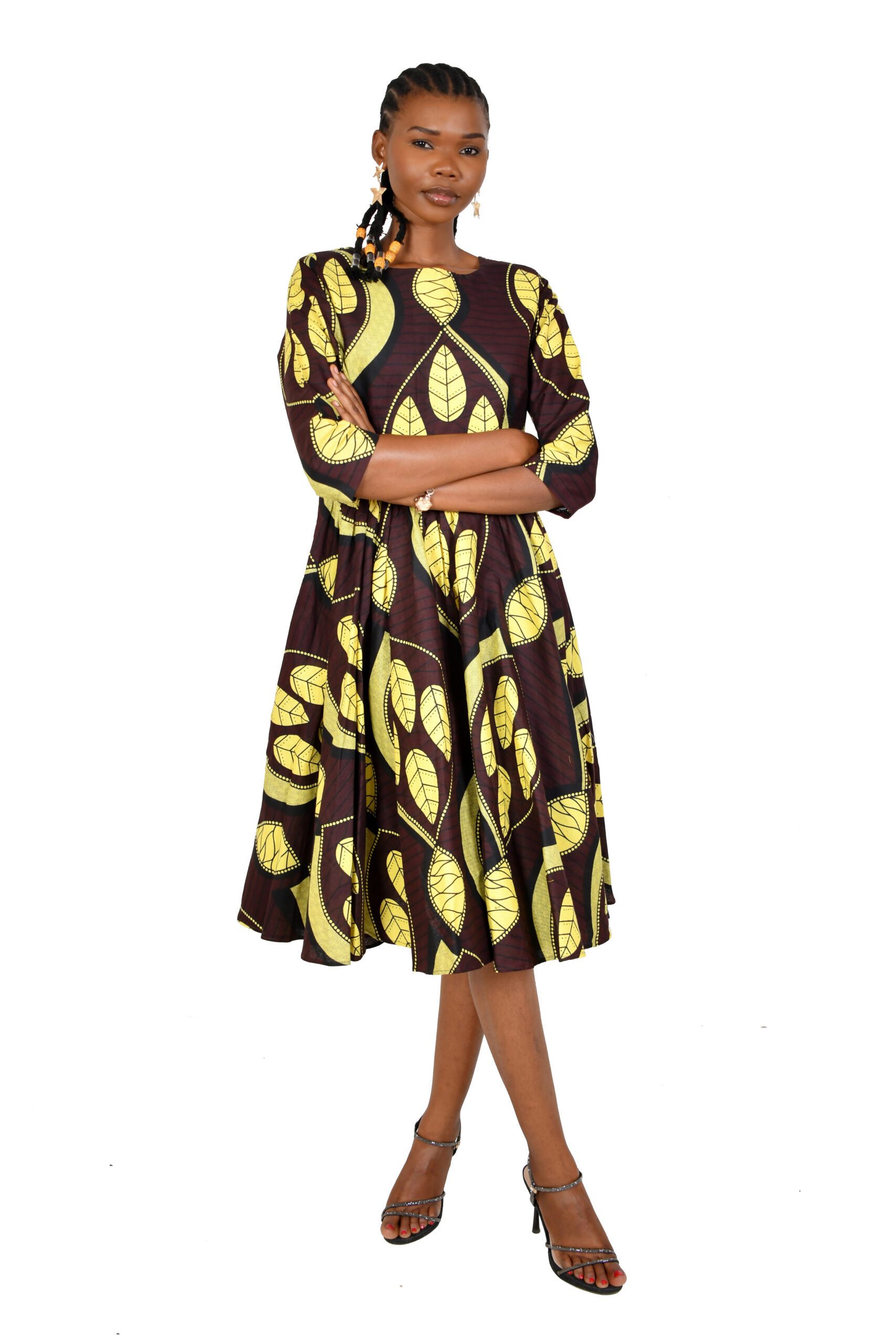
At Moshaki, we’re all about celebrating timeless design and African heritage. We handcraft clothing, curating original art and artefacts that enrich contemporary living. Every piece you see, from a flowing A-Line Maxi Gown to a versatile Kitenge Shirt Dress, connects you directly to skilled artisans and their cultural heritage.
Our commitment is clear:
- We promote local craftsmanship.
- We ensure fair trade practices.
- We use sustainable materials.
This isn’t just about selling clothes; it’s about sharing a story, a culture, and a commitment to a better future. When you choose a piece from Moshaki, you’re not just buying a garment; you’re investing in design with purpose, celebrating quality, heritage, and style that truly makes a difference.

Your Role: How to Support Ethical African Fashion
Alright, so you’re clued up. You see the value. Now, what’s your next move? It’s simple: be intentional with your choices. Every pound you spend is a vote for the kind of world you want to live in. Here’s how you can actively support Ethical African Fashion:
- Do Your Research: Look beyond the flashy ads. Dig into a brand’s story. Do they talk about their artisans? Their materials? Their impact? If it’s vague, that’s a red flag.
- Choose Quality Over Quantity: Fast fashion encourages buying endless cheap items that quickly fall apart. Invest in fewer, higher-quality pieces that will last. It’s better for your wallet in the long run and infinitely better for the planet.
- Spread the Word: When you find a brand doing good work, tell your friends. Share their story on social media. Word-of-mouth is a powerful tool for ethical businesses that often lack massive marketing budgets.
- Embrace the Story: Each piece of ethical African fashion has a story – of craftsmanship, heritage, and empowerment. Wear it with pride, and when someone compliments it, share that story. It’s an easy way to educate others and spark curiosity.
- Be Patient: Ethical production often takes longer. There’s no rushed factory line, no corners cut. You might wait a little longer for your item, but it’s worth it for the quality and the positive impact.
Remember, you have power as a consumer. Don’t just consume; contribute. Your choices matter, and they make a difference to real people and real communities.
FAQ: Your Quick Guide to Ethical African Fashion
What does ‘ethical’ mean in African fashion?
It means fashion produced in Africa that prioritises fair wages and safe working conditions for artisans, uses sustainable and eco-friendly materials, and actively invests in local communities, all while respecting and preserving cultural heritage.
Why should I choose African fashion over mainstream brands?
Choosing African fashion, especially ethical brands, supports local economies, empowers artisans, preserves traditional crafts, and often uses more sustainable practices. It offers unique, high-quality pieces with a rich cultural story, contrasting with the often exploitative and environmentally damaging practices of fast fashion.
How can I verify if an African brand is truly ethical?
Look for transparency. Ethical brands will openly share information about their sourcing, production processes, and artisan partnerships on their websites. They often highlight their commitment to fair trade certifications (if applicable) and specific sustainable initiatives. If a brand’s story resonates with Moshaki’s values, chances are they’re doing it right.
What kind of materials are used in ethical African fashion?
Common materials include organic cotton, linen, traditional African wax prints (Kitenge), handwoven fabrics, and natural dyes. The emphasis is on locally sourced, low-impact, and often recycled or upcycled materials to minimise environmental harm.
Is ethical African fashion more expensive?
While some pieces might have a higher initial cost than fast fashion items, this reflects the true cost of production: fair wages, quality materials, and sustainable practices. You’re investing in durability, unique design, and positive social/environmental impact, leading to better value in the long run.
It’s Time to Demand Better, and Buy Better
Look, the bottom line is this: the fashion industry needs a shake-up, and Ethical African Fashion is leading the charge. These brands aren’t just selling clothes; they’re selling a vision for a better world. A world where craftsmanship is valued, people are paid fairly, and the planet isn’t an afterthought.
At Moshaki, we’re proud to be part of this movement. We believe every stitch tells a story, every pattern a piece of heritage. We’re committed to quality, social responsibility, and environmental stewardship, all while bringing you truly stunning pieces that make a statement. You don’t just wear our clothes; you wear our values.
So, next time you’re looking to update your wardrobe, think about the impact of your purchase. Choose wisely. Choose with purpose. Choose ethical African fashion. You’ll not only look good, but you’ll feel good knowing you’re making a tangible difference.
Ready to explore conscious fashion? Visit our clothing collection today.
Contact Us:
The Office
Mikocheni Rose Garden Road – Vunjabei, Kinondoni, Dar es Salam
Phone Number
+255 655 220 387
Contact Information
info@moshaki.com
Our Business Hours
Monday – Friday: 8am – 4pm
Saturday – Sunday: 9am – 5pm