


A Ghanaian bride wears vibrant Kente cloth and layers of beads on her wedding day, reflecting deep cultural heritage.
African wedding attire is far more than just clothing – it’s a vibrant expression of love, culture, and identity. Across the continent’s diverse societies, what a couple wears at their wedding carries deep symbolism. From the bold colors of West African textiles to the elegant white robes of East African traditions, each garment tells a story of heritage and community.
In this ultimate guide, we’ll explore the many styles, fabrics, and meanings behind African wedding attire. Whether you’re a bride, groom, or guest, you’ll learn how these beautiful outfits honor tradition and how to incorporate them into a modern celebration.
Symbolism and Cultural Significance of African Wedding Attire
African weddings are rich with meaning, and the attire plays a central role in expressing it. In many cultures, a wedding is not just the union of two individuals but a joining of families and entire communities. This communal spirit is reflected in clothing: relatives and friends often wear coordinated outfits — a practice known as aso ebi in Nigeria — to symbolize unity and support for the couple. It’s common, for example, at Nigerian ceremonies to see dozens of guests in matching fabrics chosen by the bride’s family – a vibrant visual show of solidarity.
Beyond unity, wedding garments themselves carry symbolic weight. Colors, accessories, and styles all convey messages. Brides and grooms purposely choose attire that honors their ancestry and speaks to virtues like fertility, prosperity, or devotion.
For instance, in Nigeria’s Benin (Edo) culture, a bride’s outfit often features red and abundant coral beads. Red is the traditional color of royalty for Edo people – it represents culture, nobility, and ancestral power. The regal coral bead headdress and necklaces worn by an Edo bride signify wealth, prestige, and beauty, transforming her into a queen for the day.
Throughout Africa, similar meanings abound: beadwork patterns, colors, and headwraps all carry messages — invoking blessings, fertility, and ancestral connection.
💍 Explore: Occasion Wear Collection — handcrafted wedding outfits that celebrate African heritage.
Color Symbolism in African Weddings
Colors are a visual language in African wedding attire, with each hue carrying cultural significance. While meanings vary by region, here are some of the most common interpretations for wedding colors:
- Red: Symbolizes love, passion, and fertility.
- Gold: Signifies wealth, royalty, and prosperity.
- White: Represents spirituality or purity, but in some traditions is associated with transition or mourning.
- Blue & Green: Stand for peace, harmony, and new beginnings.
- Black: Usually avoided at weddings, associated with mourning in most regions.
It’s clear that every detail – from color choice to accessories – is intentional. By wearing certain colors or ornaments, African couples pay respect to their ancestry and invite good fortune into their marriage.
🌍 Read next: Traditional African Wedding Attire by Region
Regional Styles of African Wedding Attire
West Africa: Vibrant Textiles and Regal Designs
West African weddings are known for their bold elegance.
In Nigeria, Yoruba brides wear handwoven Aso Oke cloth paired with ornate gele headwraps, signifying status and pride. Igbo brides often wear embroidered George wrappers with coral beads and crowns symbolizing prosperity.
In Ghana, couples don iconic Kente — a royal silk-and-cotton textile woven by hand. Each pattern has a name and meaning, often representing unity or prosperity. Wearing Kente is a way of honoring ancestors and embodying royalty.
In Senegal and Mali, brides wear wide boubou gowns made from glossy cotton or lace, while grooms dress in embroidered grand boubous. The shared fabrics unite families in color and celebration.
East Africa: Elegance and Beadwork
East African attire blends refinement and cultural storytelling.
In Ethiopia and Eritrea, brides wear the elegant Habesha Kemis, a white cotton gown embroidered with gold thread, while grooms wear matching Habesha Libs.
In Kenya and Tanzania, Maasai brides wear bright bead collars symbolizing community blessing, while Swahili brides choose flowing Kitenge or Kanga prints influenced by coastal artistry.
In Rwanda and Uganda, brides wear the Mushanana or Gomesi — flowing, colorful dresses worn gracefully over one shoulder or tied with a sash, expressing poise and pride.
✨ Shop Artisan Dresses: African Heritage Dresses
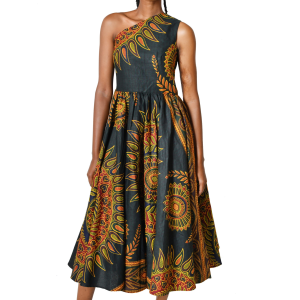
Asymmetric Halter Midi Dress – Cocktail Dress | Handmade Fashion
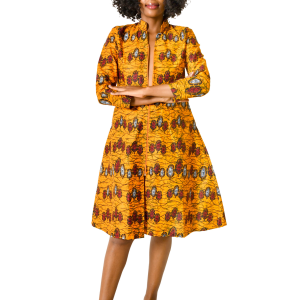
£49.00Bell Sleeve Knee Length Dress – Kitenge Print Occasion Wear | Handmade Women’s Fashion
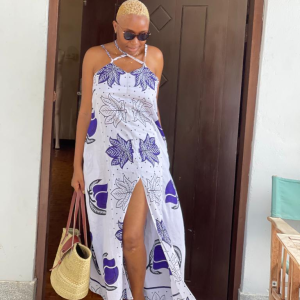
£75.00Halter Neck Summer Dress – Cotton Dress | Handmade Women’s Fashion
£35.00Kitenge Shirt Dress – African Print Button-Down Dress with Belt | Women’s Handmade Fashion
£35.00Knee-Length Dress – Long Sleeve – Cotton – Handmade Women’s Fashion
£38.00Linen Midi Dress – Minimalist African Women’s Clothing | Handmade Sustainable Fashion
£59.00Linen Pocket Dress – Minimalist Summer Dress | Sustainable Women’s Fashion
£38.00Midi Dress – Kitenge Print Cap Sleeves Mid-Length Outfit | Handmade Women’s Fashion
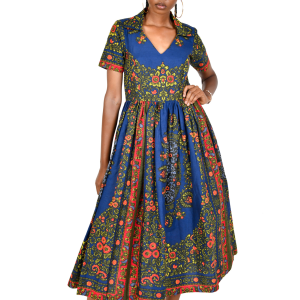
£38.00Midi V-Neck Dress with Half Sleeves – Women’s Fashion | Handmade
£55.00





Southern Africa: Tradition with a Modern Twist
Southern African weddings combine heritage and modernity.
In South Africa, Zulu brides wear Shweshwe skirts and beadwork, while Xhosa brides favor black-and-white prints and matching shawls. Sotho and Tswana brides drape themselves in traditional blankets (Seanamarena) as a symbol of warmth and unity.
In Zimbabwe and Zambia, modern gowns meet traditional fabrics, blending two worlds in one celebration.
North Africa: Opulent and Timeless
North African attire reflects centuries of artistry.
In Morocco, brides wear elaborately embroidered Caftans with gold thread and layered jewelry.
In Egypt and Nubia, brides may wear colorful Thobes adorned with coins and silver jewelry.
In Algeria and Tunisia, velvet Karaku gowns and pearl-studded veils showcase timeless opulence.
These regions share a love of craftsmanship, intricate detail, and the symbolic use of gold jewelry to signify wealth and blessings.
🌸 Cultural Note: UNESCO Intangible Heritage Records recognize many African textile traditions as living art forms of storytelling and identity.
Traditional Fabrics and Materials in African Wedding Attire
African textiles are renowned for their artistry and meaning.
- Kente (Ghana): Handwoven silk-and-cotton cloth symbolizing unity and storytelling.
- Aso Oke (Nigeria): Thick, metallic-threaded fabric representing Yoruba nobility and craftsmanship.
- Ankara Prints: Colorful wax-resist cotton prints, loved for their expressive symbolism and accessibility.
- Shweshwe (Southern Africa): Indigo-dyed fabric with geometric motifs — a timeless emblem of Southern heritage.
- Beadwork & Jewelry: Coral, gold, cowrie shells, and Maasai beads convey prosperity, fertility, and ancestral blessings.
Blending Tradition With Modern Trends
Today’s couples celebrate both tradition and individuality. Many brides wear two outfits — a white gown for the legal or church ceremony, and traditional attire for the cultural one.
Modern designers across Africa are fusing heritage fabrics with contemporary silhouettes — from mermaid-cut Ankara gowns to embroidered agbadas and cape dresses. African bridal fashion is now leading global runways, influencing trends beyond the continent.
✨ Explore More: African Fashion Trends 2025
Tips for Choosing Your African Wedding Attire
- Honor Your Roots – Wear styles from your heritage or region.
- Plan for Both Ceremonies – Choose different outfits for church and traditional celebrations.
- Coordinate as a Couple – Matching colors and fabrics create unity and beautiful photos.
- Customize Freely – Mix traditions and modern elements to tell your story.
- Prioritize Comfort – Weddings are long and full of dancing — move freely and confidently.
💡 Explore Looks: Occasion Wear Collection
Conclusion: Celebrating Culture in Style
African wedding attire is the perfect marriage of heritage, creativity, and meaning. From the colors of Kente to the beadwork of Maasai, each element tells a story of pride and connection.
At Moshaki, we honor these traditions through our designs — creating timeless pieces that empower couples to celebrate love the African way: in full color, culture, and confidence.
💕 Shop the Collection: Moshaki Occasion Wear