

Top African Fashion Designers You Need to Know Right Now
Alright, let’s cut to the chase. If you’re not paying attention to African fashion designers right now, you’re missing out. Seriously. These aren’t just designers; they’re visionaries,
storytellers, and powerhouses shaking up the global fashion scene. I’m talking about creators who are
redefining luxury, pushing boundaries, and doing it all while staying deeply rooted in their rich cultural
heritage.
For too long, the narrative around African fashion was relegated to “ethnic wear” or “traditional prints.” But
that’s a dusty old handbook no one’s reading anymore. What we’re seeing today is a vibrant, sophisticated,
and undeniably influential movement. And frankly, it’s about time the world caught up.
At Moshaki, we live and breathe this ethos. Our mission isn’t just to sell clothes; it’s to celebrate
timeless design and African heritage. Every piece we create or curate – from handcrafted apparel to original art – is a direct link
to skilled artisans and the profound cultural stories they carry. We believe in design with purpose,
prioritising local craftsmanship, fair trade practices, and sustainable materials. This isn’t just fashion;
it’s an investment in quality, heritage, and a style that truly means something.
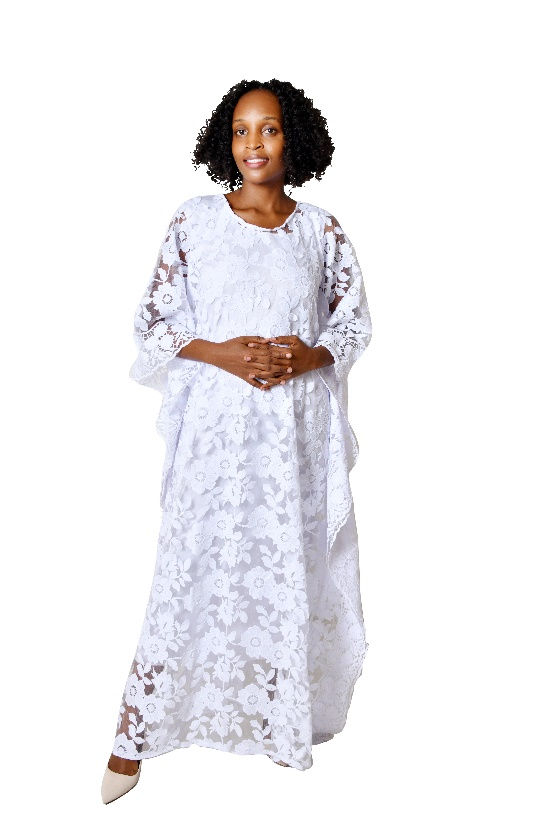
What Makes African Fashion Designers So Unique?
So, what’s the secret sauce? Why are African fashion designers making such a significant impact? It boils down to a few core elements that are often overlooked by
the mainstream, but are, in fact, the very pillars of their strength.
-
Unparalleled Storytelling: Each design isn’t just a garment; it’s a narrative. It speaks of ancestral techniques, community
spirit, and personal journeys. Think about the intricate patterns of Kitenge or Kente cloth –
these aren’t random motifs, but symbolic languages passed down through generations. When you wear
a piece crafted by an African designer, you’re literally wearing history and culture. -
Masterful Craftsmanship: Forget mass production. Many African designers work directly with artisans, fostering age-old
skills in weaving, dyeing, embroidery, and tailoring. This dedication to craft means every stitch,
every bead, every detail is meticulously considered. It’s about creating pieces that last, not
just for a season, but for a lifetime. -
Sustainable by Default: Before “sustainability” became a buzzword, it was simply how things were done across Africa.
Designers here often utilise locally sourced, natural materials, employ zero-waste techniques, and
champion fair labour practices. At Moshaki, we uphold these values, prioritising low-impact fabrics,
sustainable packaging, and eco-conscious production methods. It’s not just ethical; it’s intelligent
design. -
Boldness & Innovation: African designers aren’t afraid of colour, print, or pushing silhouettes. They fuse traditional
aesthetics with contemporary trends, creating something entirely fresh and exciting. They’re not
just following trends; they’re setting them, often with a fearless spirit that’s truly inspiring.
Who are the Trailblazers in Contemporary African Fashion?
Okay, let’s talk names. These are the African fashion designers who are currently dominating conversations, runways, and closets worldwide. Their work is a testament
to the immense talent coming out of the continent:
-
Thebe Magugu (South Africa): This LVMH Prize winner is a force. His designs are intelligent, conceptual, and deeply rooted
in South African history and culture, yet effortlessly modern. He blends traditional narratives with
sharp tailoring and powerful silhouettes, creating collections that are both visually stunning and
intellectually stimulating. Magugu’s work is a masterclass in how to draw from heritage without
being constrained by it. -
Kenneth Ize (Nigeria): Ize has put Nigerian Aso Oke fabric firmly on the global map. His vibrant, hand-woven textiles
are the heart of his collections, which blend traditional craft with fluid, contemporary tailoring.
He’s brought a fresh perspective to menswear and womenswear, championing local Nigerian communities
and their incredible weaving traditions. His commitment to craft is unwavering, and it shows in the
luxurious feel of every piece. -
Lisa Folawiyo (Nigeria): Known for her masterful embellishment of Ankara (wax print) fabrics, Lisa Folawiyo elevates
everyday prints into high fashion. Her brand, Jewel by Lisa, transforms familiar textiles into
couture-like creations through intricate hand-beading and embroidery. It’s a fantastic example of
taking something commonplace and making it extraordinary through skill and vision. -
Loza Maléombho (Côte d’Ivoire): Maléombho’s brand is a celebration of Ivorian tradition and modern femininity. Her designs
often incorporate traditional fabrics and accessories, reimagined for the contemporary woman. She
is a champion of artisan craftsmanship, working with women cooperatives to produce her unique,
empowering pieces. Her aesthetic is strong, regal, and deeply conscious. -
Laduma Ngxokolo (South Africa) – MaXhosa Africa: If you know knitwear, you know MaXhosa. Laduma’s iconic Xhosa-inspired knitwear has achieved
global recognition, celebrating Xhosa beadwork aesthetics and traditional patterns in luxurious,
modern garments. His designs are instantly recognisable and represent a true fusion of heritage and
high fashion. MaXhosa is not just clothing; it’s a cultural phenomenon.
How Are African Fashion Designers Shaping Global Trends?
It’s no longer a question of if African fashion designers are influencing global trends, but how profoundly. Their impact is multifaceted and far-reaching.
Firstly, they’re injecting much-needed vibrancy and authenticity into an industry often criticised for its lack
of diversity. The rich colour palettes, bold prints, and unique silhouettes are offering a refreshing
alternative to conventional Western aesthetics. We’re seeing more and more major fashion houses drawing
“inspiration” (and sometimes outright copying) from African styles, which, while problematic at times, also
underscores the undeniable shift in influence.
Secondly, the focus on sustainable and ethical production is becoming a gold standard. Many African brands are built on principles of fair trade, local
empowerment, and responsible sourcing – practices that the global industry is now scrambling to adopt.
They’re demonstrating that fashion can be both beautiful and responsible, proving that profit and purpose
aren’t mutually exclusive. At Moshaki, this is in our DNA. We ensure our artisans receive fair wages,
work in safe conditions, and that our investments create lasting community impact. It’s about designing
with purpose, not just for profit.
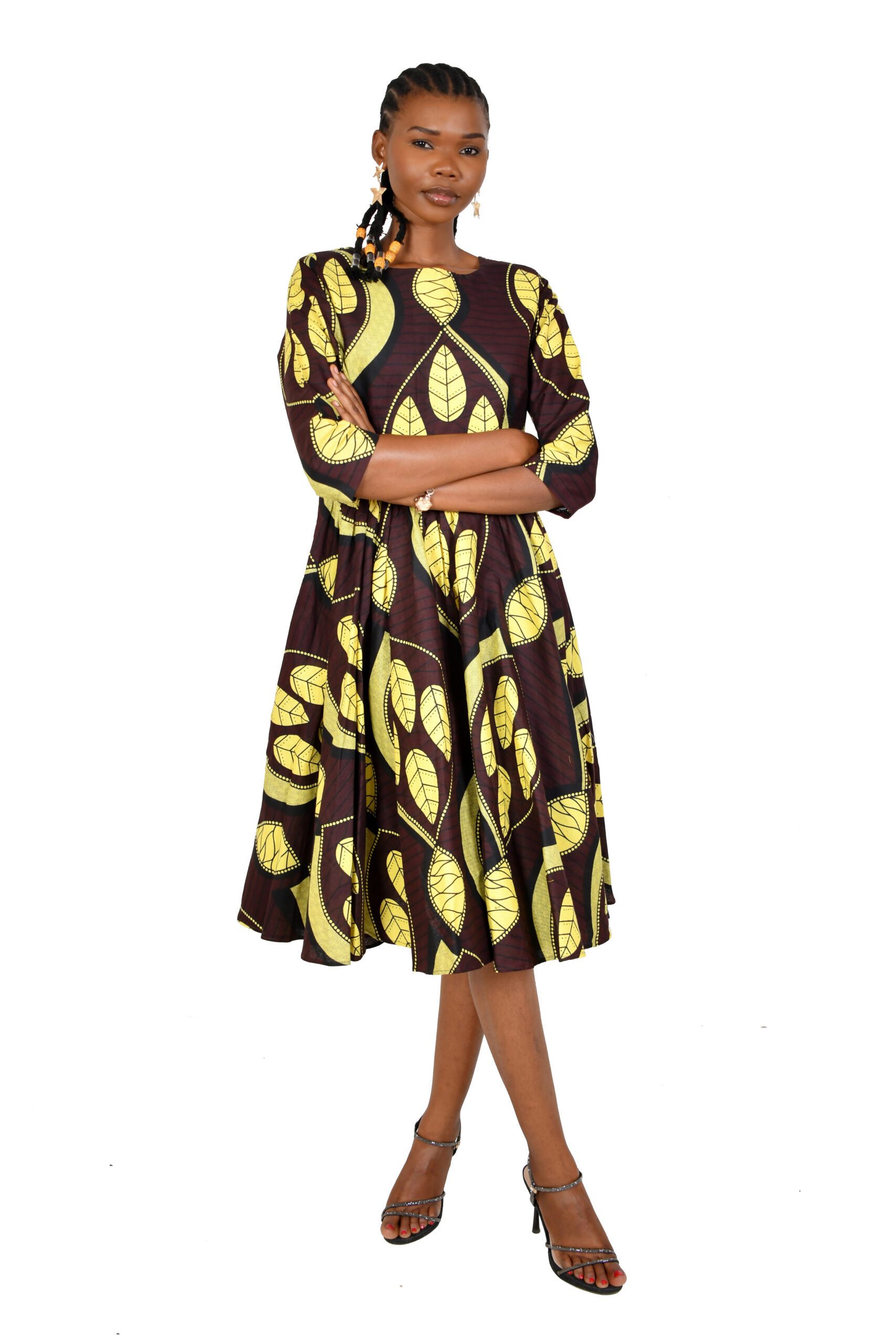
Take, for instance, a piece like our Three Quarter Sleeve Kitenge Dress. It’s more than just a dress; it’s a
conversation starter, a piece of wearable art that tells a story of Tanzanian craftsmanship and vibrant
African culture. That’s the power these designers wield – they’re not just selling clothes; they’re selling
identity, heritage, and a conscious approach to style. This resonates globally because people are hungry for
authenticity.
My Journey into African Design: A Personal Anecdote
I remember a few years back, I was at a market in Dar es Salaam. The air was buzzing with energy, the scent of
spices mixing with fresh produce. Amidst the hustle, I saw a woman wearing a simple, yet utterly striking,
linen dress. It was understated, but the cut, the drape, the way it moved with her – it just screamed
quality and effortless chic. No loud logos, no flashy embellishments, just pure, confident style. I walked
past countless stalls selling what you might call “touristy” items, but this one dress stuck with me.
It was a moment of clarity. It wasn’t about being “African” for the sake of it; it was about brilliant design
that happened to have African roots. That’s what we aim for at Moshaki. To capture that essence – the
quality, the heritage, the purposeful design – and share it with the world. It’s about creating pieces that are both relevant and timeless,
just like that simple linen dress I saw all those years ago. It’s about making a statement without having to
shout.
Choosing Quality: What to Look for in African Fashion
Alright, so you’re convinced. You want to dive into the world of African fashion. But how do you pick out the
gems? How do you ensure you’re investing in genuine quality and not just something that looks “African-inspired”
on the surface?
Here’s my no-nonsense guide:
-
Fabric Matters: Look for natural, breathable materials. Cotton is a staple, especially for vibrant wax prints
(Kitenge/Ankara). Linen, like in our Linen Pocket Dress, is fantastic for its durability and airy feel. Silk and wool are also used for more luxurious pieces.
Avoid cheap synthetics that mimic traditional patterns but lack the soul and longevity of authentic
materials. -
Check the Craftsmanship: This is huge. Is the stitching clean and strong? Are patterns aligned? For embroidered or beaded
items, is the work intricate and secure? Handcrafted items should show a level of care and attention
that machine-made goods often lack. Small imperfections can be a sign of true handmade artistry,
but shoddy construction is a red flag. -
Understand the Story: Reputable brands and designers will openly share their story – where their fabrics come from,
who their artisans are, and their commitment to ethical practices. If a brand is vague about its
supply chain or doesn’t mention its connection to African communities, be wary. At Moshaki, our
brand story isn’t just marketing; it’s our foundation. We believe in promoting local craftsmanship,
fair trade practices, and the use of sustainable materials because it’s the right thing to do, and
it creates a superior product. -
Look Beyond the Trend: While African fashion is trendy, seek out pieces with timeless appeal. A well-designed Kitenge
dress or a beautifully tailored linen kaftan will serve you for years, not just until the next
season. Consider how the piece makes you feel – empowered, confident, connected. That’s the real
value.

Frequently Asked Questions About African Fashion Designers
What is the impact of African fashion on the global stage?
African fashion is significantly impacting global trends by introducing vibrant aesthetics, championing
sustainable and ethical production, and fostering a deeper appreciation for cultural storytelling and
handcraftsmanship. It’s moving from niche to mainstream, influencing silhouettes, print trends, and the very
definition of luxury.
Where can I find authentic African fashion?
You can find authentic African fashion through dedicated online boutiques like Moshaki, which directly partners
with artisans in Tanzania. Look for designers who transparently share their sourcing and production methods,
often working with local communities to preserve traditional crafts. You can also find incredible pieces at
curated pop-ups, international fashion weeks, and specialised cultural markets.
Are African fashion designers sustainable?
Many African fashion designers inherently operate with sustainable and ethical practices. This includes using locally sourced, natural
materials, traditional zero-waste techniques, and ensuring fair wages and safe working conditions for artisans.
Brands like Moshaki are built on these principles, prioritising low-impact fabrics and eco-conscious production
methods as a core part of their mission.
What are some signature elements of African design?
Signature elements include bold and colourful wax prints (Kitenge/Ankara), intricate hand-woven textiles (like
Aso Oke), rich embroidery, beadwork, and dynamic silhouettes that range from flowing kaftans to sharply tailored
modern pieces. There’s a strong emphasis on storytelling through pattern and an artful blend of tradition with
contemporary design.
How can I support African fashion designers?
The best way to support African fashion designers is to directly purchase their products from authentic brands and retailers. Choose companies that are
transparent about their ethical practices and community engagement. Share their stories, follow them on social
media, and advocate for greater representation of African talent in the global fashion industry. Every purchase
from brands committed to these values makes a tangible difference.
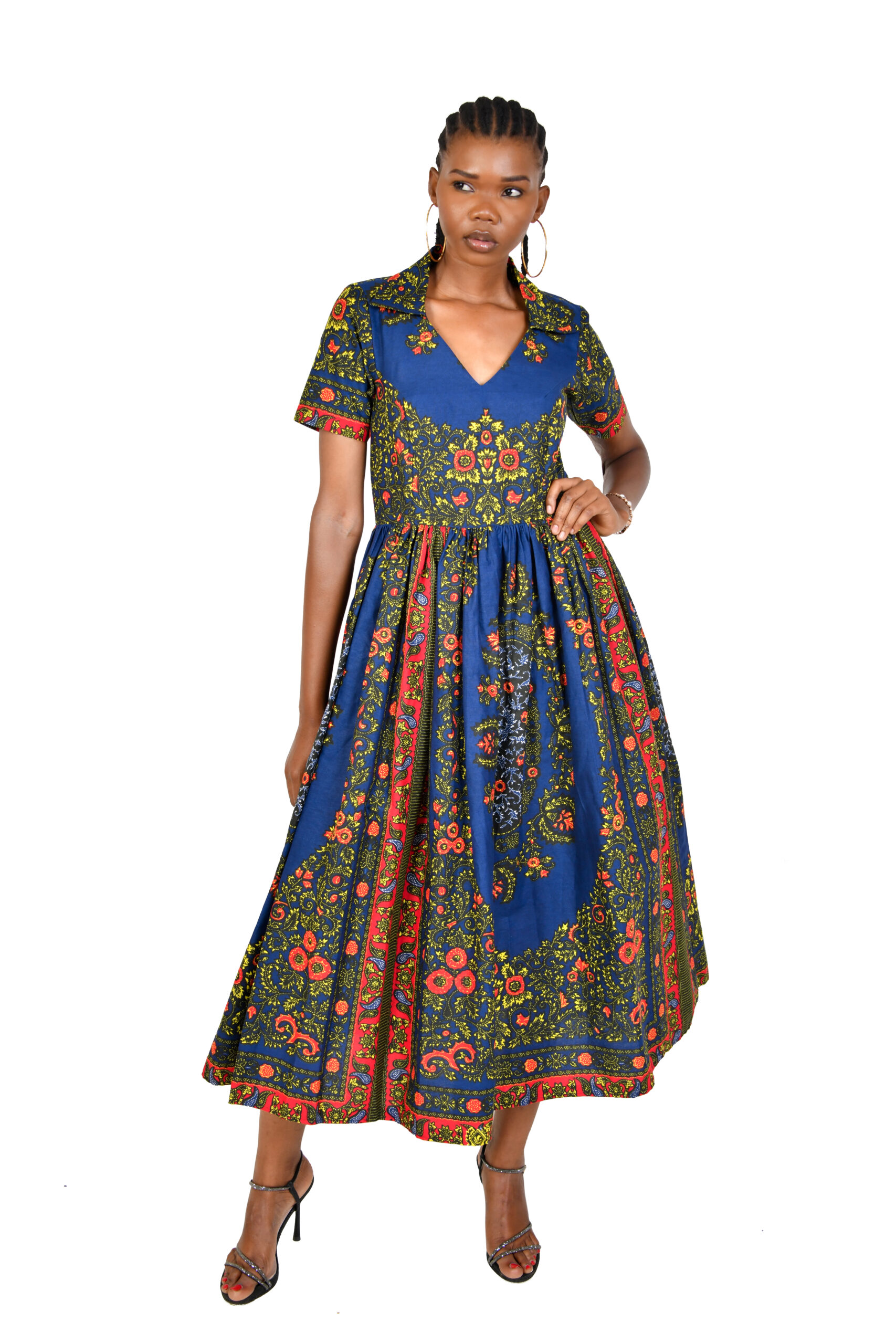
The Future is Bright for African Fashion Designers
Look, the takeaway is simple: African fashion designers aren’t just a trend; they’re a fundamental shift in the industry. They’re bringing back a sense of purpose,
authenticity, and unparalleled craftsmanship that has been sorely missed. They’re showing the world that true
luxury isn’t about a label; it’s about heritage, quality, and a story told through every thread.
At Moshaki, we’re proud to be a part of this movement. We believe in design that honours heritage, empowers
artisans, and embraces environmental stewardship. Every piece, from our high-quality clothing to our curated
art, is designed to enrich contemporary living while connecting you to skilled hands and profound cultural
roots. We don’t just sell products; we share a piece of Africa, crafted with care and intention.
So, next time you’re looking to invest in something truly special, something that stands for more than just
fashion, remember the names and the ethos of these incredible designers. You won’t just be buying a garment;
you’ll be buying into a movement. A movement of style, substance, and soul.
Ready to experience design with purpose? Visit us at moshaki.com/clothing/ or connect with
us directly.
Contact Us
The Office: Mikocheni Rose Garden Road – Vunjabei, Kinondoni, Dar es Salam
Phone Number: +255 655 220 387
Contact Information: info@moshaki.com
Our Business Hours:
- Monday – Friday: 8am – 4pm
- Saturday – Sunday: 9am – 5pm
Useful links: https://moshaki.com/clothing/