

A Collector’s Guide: Investing in Authentic African Wall Art
Fancy a cuppa? Let’s chat about something truly special: Collecting African Wall Art. If you’ve ever walked into a room and felt an immediate pull towards a piece that tells a story, vibrates with history, and just feels… alive, chances are it might have been a genuine piece of African art. It’s not just about decorating your walls; it’s about investing in culture, craftsmanship, and a tangible piece of human history. Here at Moshaki, we’re all about celebrating timeless design and African heritage, curating original art and handcrafted artefacts that enrich contemporary living. I’m here to give you the straight talk, no fluff, on how to navigate this exciting world, ensuring you collect pieces that are not only beautiful but genuinely authentic and valuable.
Forget the mass-produced trinkets you see in airport gift shops. We’re talking about art that carries the soul of a continent, pieces crafted by skilled artisans who pour generations of knowledge into every stitch, carving, and brushstroke. Trust me, once you understand what to look for, you’ll see African wall art not just as decor, but as a profound connection to a rich cultural tapestry. Let’s dive in.
What Defines Authentic African Wall Art?
When you’re starting your journey into collecting African wall art, the first, most crucial question is: what makes it authentic? It’s more than just being made in Africa. Authenticity stems from a piece’s connection to genuine cultural practices, traditional craftsmanship, and the stories it carries. Think about it – true art is rarely sterile. It has a history, a purpose, a reason for being. This is particularly true for African art, where utility and spirituality often intertwine with aesthetic beauty.
For instance, I once saw a Makonde mask, the kind that might look ‘rough’ to an untrained eye. But knowing the context, the ceremonial use, the generations of carvers whose techniques were echoed in its form – that’s what made it authentic. It wasn’t perfect in a factory-made sense, but its imperfections were its badge of honour, a testament to the human hand and spirit behind it. That’s the difference between a decorative item and an artefact with soul. At Moshaki, we partner directly with artisans to ensure every piece we curate truly reflects its heritage.
How Can You Identify Genuine Pieces When Collecting African Wall Art?
Alright, so how do you spot the real deal from a cleverly made imitation? It boils down to a few key areas:
-
Materials and Techniques: Authentic African art often uses natural, locally sourced materials. Think hardwoods like ebony, kapok, or mahogany; natural pigments derived from plants and minerals; woven grasses; animal hides; and beads. The carving, weaving, or painting techniques are typically traditional, passed down through generations. Look for hand-hewn marks, subtle irregularities, and the tactile quality that mass production just can’t replicate. A genuine piece will feel organic, not uniform.
For example, consider our Makonde Ebony Carving – Shetani Spirit Figure. You can see the intricate hand-carved details and the richness of the ebony wood, a true sign of traditional craftsmanship.

Makonde Shetani Spirit Figure, a testament to skilled carving. - Signs of Age and Use: While not all authentic art is ancient, pieces intended for ceremonial or daily use will show signs of wear, patina, or even minor repairs. These aren’t flaws; they’re part of its story. A smooth, polished area on a mask might indicate where it was regularly handled, or slight chips could tell a tale of its journey through a community. Be wary of pieces that look too ‘perfect’ or new, especially if they claim to be antique.
- Context and Symbolism: Every line, every pattern, every figure in traditional African art usually carries a specific meaning, relating to spirituality, status, folklore, or history. Understanding these contexts is crucial. Does the piece represent a fertility goddess, an ancestral spirit, a protective charm, or a commentary on society? Knowledge of these symbolic languages will deepen your appreciation and help you distinguish meaningful art from purely decorative items. Our Songye-Inspired African Fertility Figure is a prime example of art imbued with rich cultural symbolism, representing life’s continuity and spiritual protection.
- Artist or Community Signature: While many traditional pieces are communal and unsigned, reputable dealers should be able to tell you about the tribe, region, and ideally, the artisan group or family lineage behind the work. This information, often referred to as provenance, is a strong indicator of authenticity and ethical sourcing. Moshaki prides itself on promoting local craftsmanship and fair trade practices.

Understanding the Market Value of African Wall Art
Now, let’s talk brass tacks: value. This isn’t just about the beauty of a piece; it’s about what it’s truly worth, both culturally and financially. Just like any other art market, the value of African wall art isn’t arbitrary. It’s a combination of several factors, and understanding them helps you make smart investments.
I remember a client who bought a stunning, albeit small, Ethiopian painting years ago, simply because they loved it. Fast forward a decade, and that piece had quadrupled in value, not just because of its age, but because of its unique style and documented origin. That’s the power of informed collecting. You’re not just buying wood or paint; you’re acquiring a piece of heritage.
How Do You Establish Provenance for African Art?
Provenance is the documented history of a piece of art, tracing its ownership from creation to the present day. For African art, this is paramount. Why? Because it directly impacts both its authenticity and its ethical standing.
- Documentation is Key: Always ask for any available documentation. This could include acquisition records from previous owners, exhibition catalogues, expert appraisals, or certificates from art galleries. The more complete the history, the better. If a piece has been in a known private collection or exhibited, its value typically increases significantly.
- Expert Opinions: If you’re serious about a significant investment, get an independent expert appraisal. Art historians, ethnographers, or specialist dealers in African art can provide invaluable insights into a piece’s origin, age, and cultural significance. They can also identify features unique to specific tribes or artists, further solidifying provenance.
-
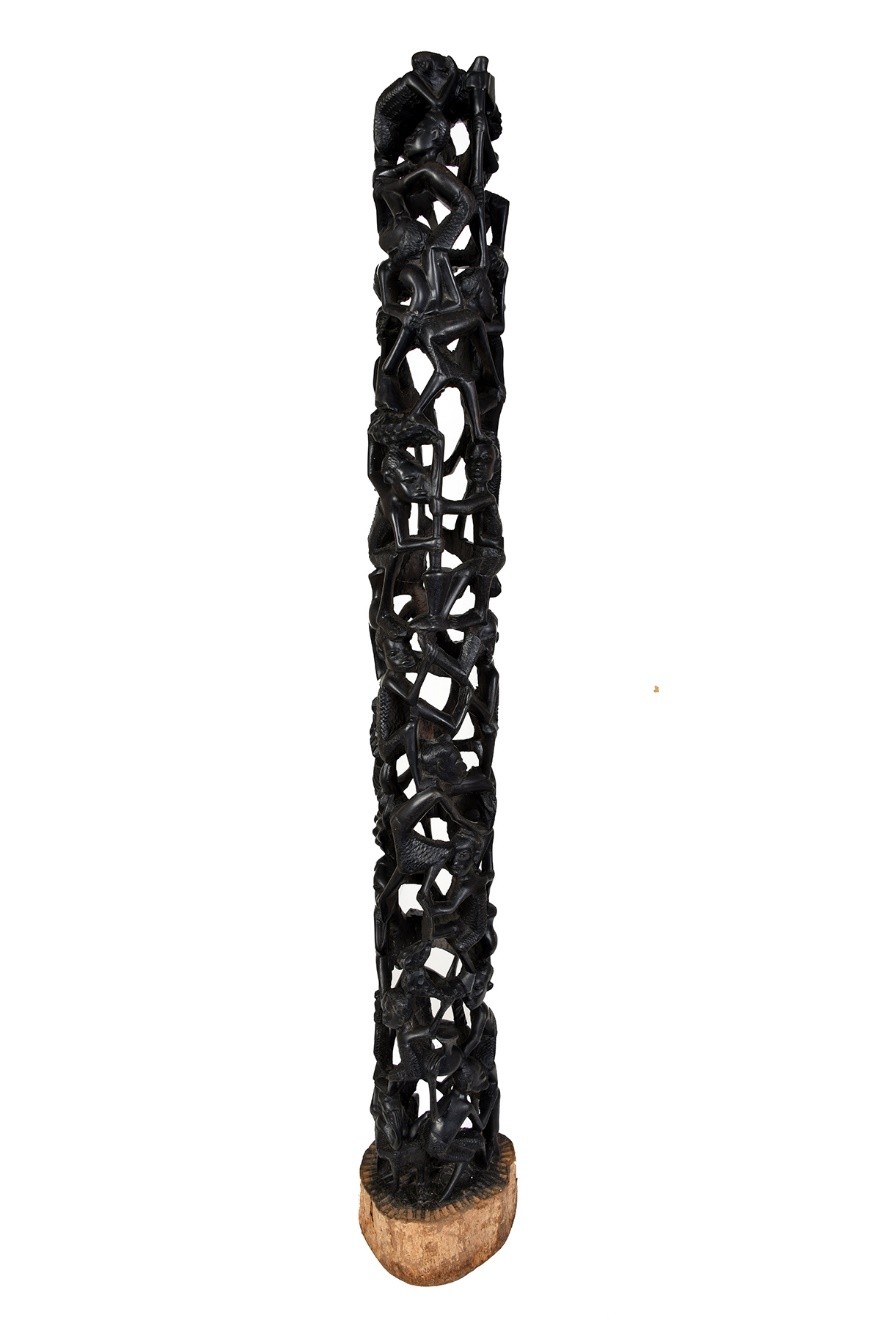
Ethical Considerations: This is a big one. For me, ethical sourcing isn’t just a buzzword; it’s fundamental. Unfortunately, the history of African art collecting has its darker chapters, with pieces sometimes acquired through illicit means. Always ensure your dealer can provide a clear and ethical acquisition history. Moshaki is committed to fair trade practices, working directly with artisans and ensuring their work is celebrated and compensated fairly. This not only supports communities but also guarantees you’re investing in art with a clean conscience. When you choose to purchase from us, you’re directly contributing to the livelihoods of skilled artisans and the preservation of cultural traditions. Consider a piece like our Makonde Tree of Life Sculpture, which embodies family unity and community strength, crafted with purpose.

Makonde Tree of Life Sculpture, celebrating unity and heritage.
The Ethics of Collecting African Wall Art
Collecting art from any culture, especially one with a history of colonial exploitation, comes with a responsibility. When we talk about African art, this responsibility is even more pronounced. It’s not just about what you buy, but how it got to you, and how your purchase impacts the communities where it originated.
I once met an artisan in Tanzania who spoke passionately about their craft. They weren’t just making a living; they were continuing a legacy, a tradition that stretched back centuries. Knowing that your purchase directly supports that legacy, rather than lining the pockets of exploitative middlemen, changes everything. It transforms a transaction into an act of support and cultural preservation.
Why Ethical Sourcing Matters
- Fair Wages and Working Conditions: Ethical sourcing means ensuring artisans are paid fairly for their incredible skill and labour. It means they work in safe conditions, free from exploitation. This isn’t just good business; it’s basic human decency.
- Community Investment: Beyond individual artisans, ethical trade practices often involve investing in the communities themselves. This could mean supporting local schools, healthcare initiatives, or environmental protection efforts. Moshaki actively promotes social responsibility and lasting community investment.
- Cultural Preservation: When artisans can thrive through their craft, it helps to preserve traditional techniques and cultural knowledge that might otherwise be lost. You’re helping to keep a living heritage alive.
- Environmental Stewardship: Many traditional African art forms use natural resources. Ethical sourcing often includes a commitment to sustainable practices, ensuring that materials are harvested responsibly and that the environment is protected for future generations. We prioritize low-impact fabrics, sustainable packaging, and eco-conscious production methods.
Why Should You Invest in African Wall Art?
Beyond the pure aesthetic appeal, collecting African wall art offers a myriad of benefits. It’s an investment that pays dividends in culture, connection, and even financial appreciation.
- Cultural Enrichment: Each piece is a window into a culture, a story, a belief system. Owning African art enriches your understanding of the world and fosters a deeper appreciation for diverse human expression. It’s a daily reminder of the vastness and richness of global heritage.
-
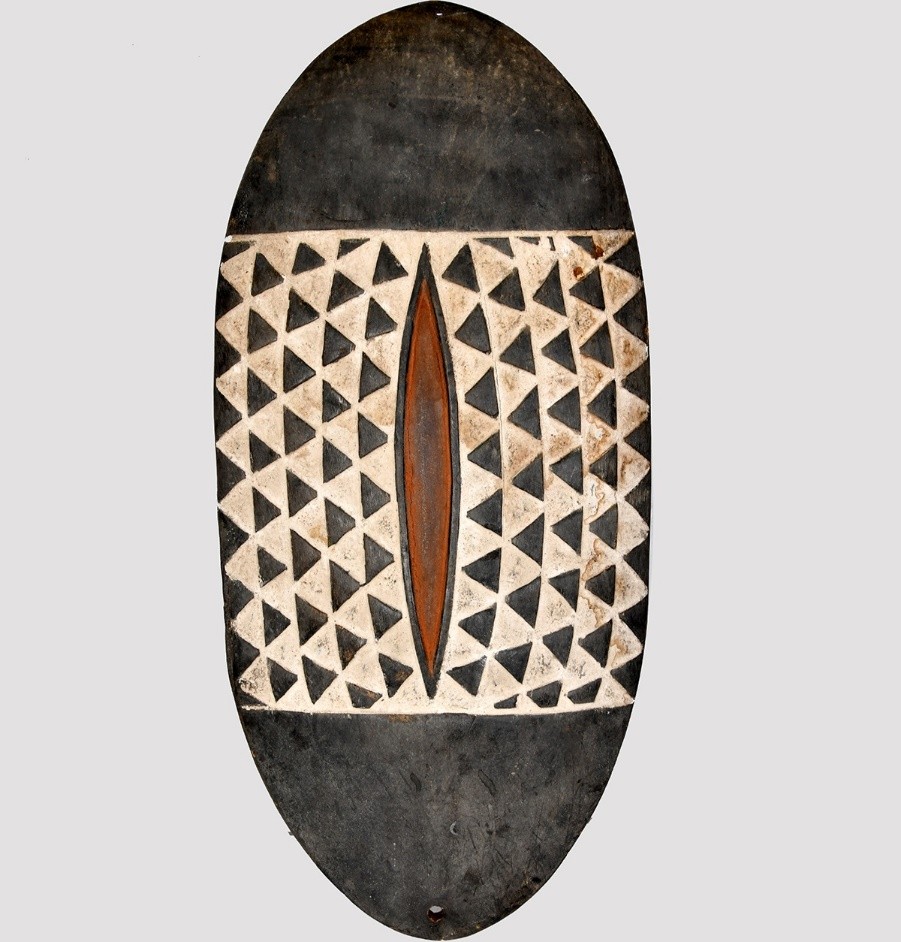
Aesthetic Appeal: Let’s be honest, African wall art is stunning. From the bold geometrics of a tribal shield to the serene lines of an abstract sculpture, these pieces add unparalleled character, warmth, and a touch of the exotic to any space. They command attention and spark conversation.
Take our African Tribal Shield with its striking black-and-white patterns and earthy red-brown central motif. It’s not just a shield; it’s a piece of history and powerful wall art.

African Tribal Shield, a bold statement of heritage. - Supporting Artisans: As I mentioned, an ethical purchase directly supports the livelihoods of skilled artisans and their communities. You become part of a virtuous cycle that preserves craft and ensures economic stability.
-
Investment Potential: While art should primarily be bought for passion, authentic and well-documented African art can appreciate in value over time. As global awareness grows and the market matures, genuine pieces become increasingly sought after.
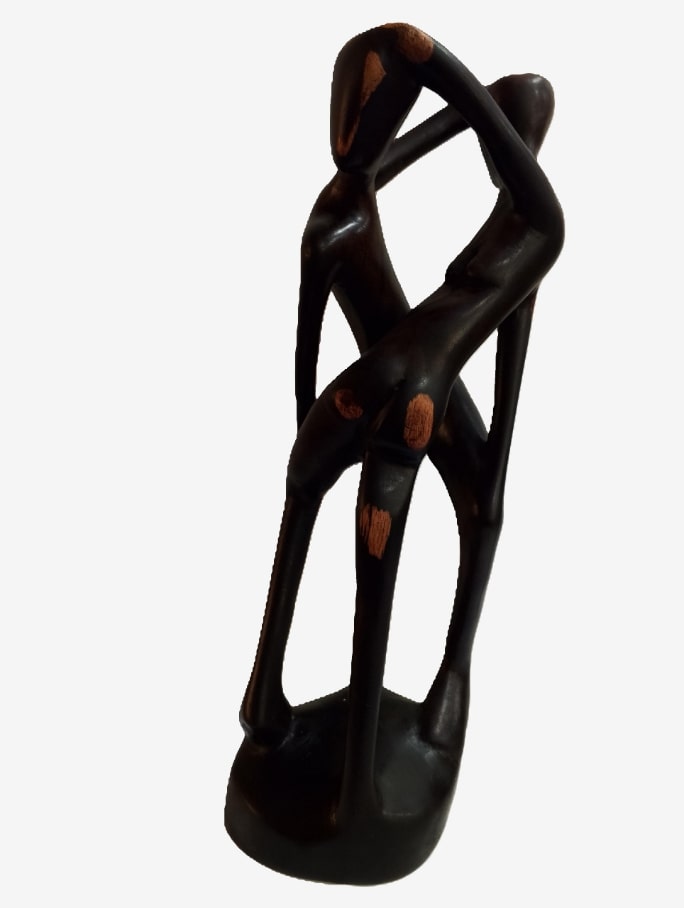
Consider the subtle elegance of our Hand-Carved “Man in Thought” Sculpture. Its abstract nature and deep symbolism make it a timeless piece with lasting appeal.

Hand-Carved “Man in Thought” Sculpture, a modern take on African abstract art. And for a truly meaningful representation of connection, our Hand-Carved African Couple Sculpture captures intimacy and unity beautifully.

Hand-Carved African Couple Sculpture, celebrating love and unity.

Practical Tips for Curating Your Collection
Once you start collecting, you’ll find it’s not just about acquiring pieces; it’s about curating a collection that tells your story and honours the art itself. Here are some actionable tips:
- Start Small, Learn Constantly: Don’t feel pressured to buy the most expensive piece first. Begin with smaller items you genuinely love, and use each acquisition as a learning opportunity. Read books, visit galleries, talk to experts, and immerse yourself in the rich history of African art.
- Focus on Quality, Not Quantity: A few exceptional, authentic pieces will always hold more value and presence than a large number of mediocre ones. Prioritise craftsmanship, provenance, and the story behind the art.
- Proper Display and Care: African wall art often thrives when given prominence. Consider how light, humidity, and temperature might affect natural materials. Protect pieces from direct sunlight and dust, and follow specific care instructions for different materials. A well-displayed piece not only looks better but is also better preserved.
- Insurance and Documentation: As your collection grows, ensure your pieces are properly insured and that you maintain meticulous records of purchase, provenance, and any appraisals. This protects your investment and provides a solid history for future generations.
- Seek Expert Advice: Don’t hesitate to consult with reputable dealers or art consultants. They can offer guidance, help you identify gaps in your knowledge, and connect you with pieces that align with your collecting goals. At Moshaki, we’re always happy to share our knowledge and passion for African heritage.
Frequently Asked Questions About Collecting African Wall Art
How do I start collecting African wall art?
Start with what you love and what speaks to you. Research the various styles, tribes, and regions. Visit reputable galleries, both online and physical, that specialise in African art. Begin with smaller, well-documented pieces to build your confidence and knowledge. Don’t be afraid to ask questions about provenance, materials, and the artisan’s background.
What’s the difference between authentic and mass-produced African art?
Authentic African art is typically handmade using traditional techniques and local materials, often carrying deep cultural or spiritual significance. It shows signs of individual craftsmanship, with subtle irregularities that tell a story. Mass-produced items, on the other hand, are often factory-made or quickly produced for the tourist market, lacking historical depth, unique craftsmanship, and ethical sourcing.
Where can I buy ethical African wall art?
Look for dealers and galleries committed to fair trade practices and direct relationships with artisans, like Moshaki. Ensure they provide clear provenance and transparent information about where and how the art was made. Reputable sources prioritise the well-being of the artists and the authenticity of the cultural exchange. You can explore our curated collection at https://moshaki.com/arts-artifacts/ or reach out to us directly:
- The Office: Mikocheni Rose Garden Road – Vunjabei, Kinondoni, Dar es Salam
- Phone Number: +255 655 220 387
- Contact Information: info@moshaki.com
- Business Hours: Monday – Friday: 8am – 4pm, Saturday – Sunday: 9am – 5pm
How do I care for my African wall art?
The best care depends on the material. Generally, keep pieces away from direct sunlight, extreme temperature changes, and high humidity, as these can cause wood to crack or colours to fade. Dust regularly with a soft, dry cloth. For wooden pieces, occasional application of natural wood oil or beeswax can help preserve their lustre and prevent drying. Always handle masks and delicate carvings with care.
Is African wall art a good investment?
Yes, authentic African wall art can be a good investment, both culturally and financially. Historically significant pieces, those by renowned artists, or works with clear, ethical provenance tend to appreciate in value. However, the primary motivation for collecting should always be passion and appreciation for the art form, with any financial returns being a welcome bonus.
So, there you have it. Collecting African Wall Art is more than a hobby; it’s a journey into history, culture, and profound human creativity. It’s about finding pieces that resonate with your soul, pieces that tell stories and connect you to something bigger than yourself. When you choose to invest in authentic African art, you’re not just acquiring a decorative item; you’re preserving heritage, supporting skilled artisans, and bringing a piece of Africa’s heart into your home.
At Moshaki, we’re dedicated to helping you discover these incredible treasures. Every piece in our collection is a testament to quality, heritage, and style – design with purpose. So, go on, explore the vibrant world of African wall art. Find that piece that truly speaks to you, and let its story enrich your life.