

Echoes of the Past: The Enduring Legacy of African Heritage Art
Let’s be frank: when we talk about true artistry, about pieces that carry stories, soul, and generations of wisdom, we’re talking about African Heritage Art. This isn’t just about beautiful objects; it’s about a legacy that has shaped cultures, inspired movements, and continues to resonate deeply in our modern world. If you think art is just what hangs in a sterile gallery, you’re missing the point entirely. African art is alive. It breathes history, purpose, and raw, unfiltered human experience. At Moshaki, we understand this isn’t just a business; it’s a mission to connect you with that living heritage.
You see, I’ve always been fascinated by things that stand the test of time. Things that aren’t just ‘trendy’ for a season, but carry an inherent value, a truth that transcends fads. That’s precisely what African heritage art represents. It’s not about fleeting aesthetics; it’s about a profound cultural dialogue that has been ongoing for thousands of years. From the intricate carvings telling ancestral tales to the vibrant textiles reflecting community identity, each piece is a chapter in an epic story.

What is African Heritage Art, Really?
Alright, let’s cut through the noise. What exactly do I mean when I say “African heritage art”? I’m not talking about some dusty, forgotten relics. I’m talking about a vibrant, dynamic tradition of visual and performing arts that spans the entire African continent. It encompasses everything from the ancient rock paintings of the Sahara to the intricate bronzes of Benin, the ceremonial masks of West Africa, and the storytelling sculptures of East Africa. It’s art born of necessity, of ritual, of celebration, and of connection to the spiritual and natural worlds.
Think about it like this: for many African communities, art wasn’t separated from daily life. It was integral to it. A mask wasn’t just a decorative item; it was a conduit for spirits, a tool for social commentary, a way to pass down history. A carved stool wasn’t just a place to sit; it could represent leadership, status, or even a connection to ancestors. This inherent purpose gives African art an unmatched depth that you rarely find in art created solely for aesthetic pleasure.
Why Does African Heritage Art Matter Today?
Good question. In a world saturated with fleeting digital trends and mass-produced goods, why should we care about something from centuries ago? Because the core values embedded in this art are timeless. We’re talking about:
- Identity & Community: Many pieces reflect lineage, social structures, and collective memory. They tell us who we are and where we come from.
- Spiritual Connection: A profound link to the unseen, to ancestors, and to the forces that govern the world.
- Resilience & Adaptation: African art has continuously evolved, incorporating new influences while retaining its distinct character. It’s a testament to the enduring human spirit.
- Craftsmanship & Ingenuity: The skill, patience, and innovation required to create these pieces, often with basic tools, is simply astounding.
These aren’t just academic points; they’re vital lessons for modern living. Understanding these deeper meanings helps us appreciate not just the object, but the human story behind it.
Tracing the Roots: A Historical Journey Through African Heritage Art
To truly grasp the power of African heritage art, you’ve got to look at where it came from. We’re talking about a continent that is the cradle of humanity, with artistic traditions stretching back tens of thousands of years. This isn’t a quick history lesson; it’s a dive into the very fabric of human expression.
Ancient Beginnings: From Rock Art to Early Civilizations
Before any brushes touched canvas in Europe, African artists were creating masterpieces. The rock art of the Sahara, for instance, depicts animals, rituals, and daily life with incredible detail, some dating back over 10,000 years. These aren’t simple doodles; they’re sophisticated narratives that reveal early human thought and interaction with their environment.
Then you have civilizations like ancient Egypt, whose monumental art and architecture, while distinct, are undeniably rooted in African soil. The precision, symbolism, and spiritual gravitas of Egyptian art set a precedent for later artistic developments across the continent.
The Golden Ages: Empires of Artistic Innovation
Fast forward a bit, and you hit the glorious empires that flourished across Africa, each leaving an indelible artistic mark.
- West African Kingdoms: Think of the sophisticated bronze and terracotta works of the Nok, Ife, and Benin cultures. The Benin Bronzes, specifically, are renowned globally for their intricate detail and masterful casting techniques. These pieces weren’t just pretty; they were historical records, portraits of kings, and sacred objects.
- Central African Kingdoms: The Kongo, Kuba, and Songye peoples produced breathtaking sculptures, masks, and textiles. The geometric patterns on Kuba cloths are so complex, they’re almost mathematical. Meanwhile, the power figures (Nkisi) of the Songye are charged with spiritual energy, used for protection and healing. Take, for example, the detailed craftsmanship of a Songye-inspired fertility figure, adorned with cowrie shells and beads – each element deliberately chosen for its symbolic weight.
- East African Traditions: The Makonde carvers of Tanzania and Mozambique are famous for their unique “Shetani” (spirit) figures and the elaborate “Ujamaa” (Tree of Life) sculptures. These pieces are not just art; they’re philosophical statements about family, community, and the interconnectedness of life. You can see this profound connection in a stunning Makonde Tree of Life Sculpture, where human figures are intricately woven together, each supporting the other.
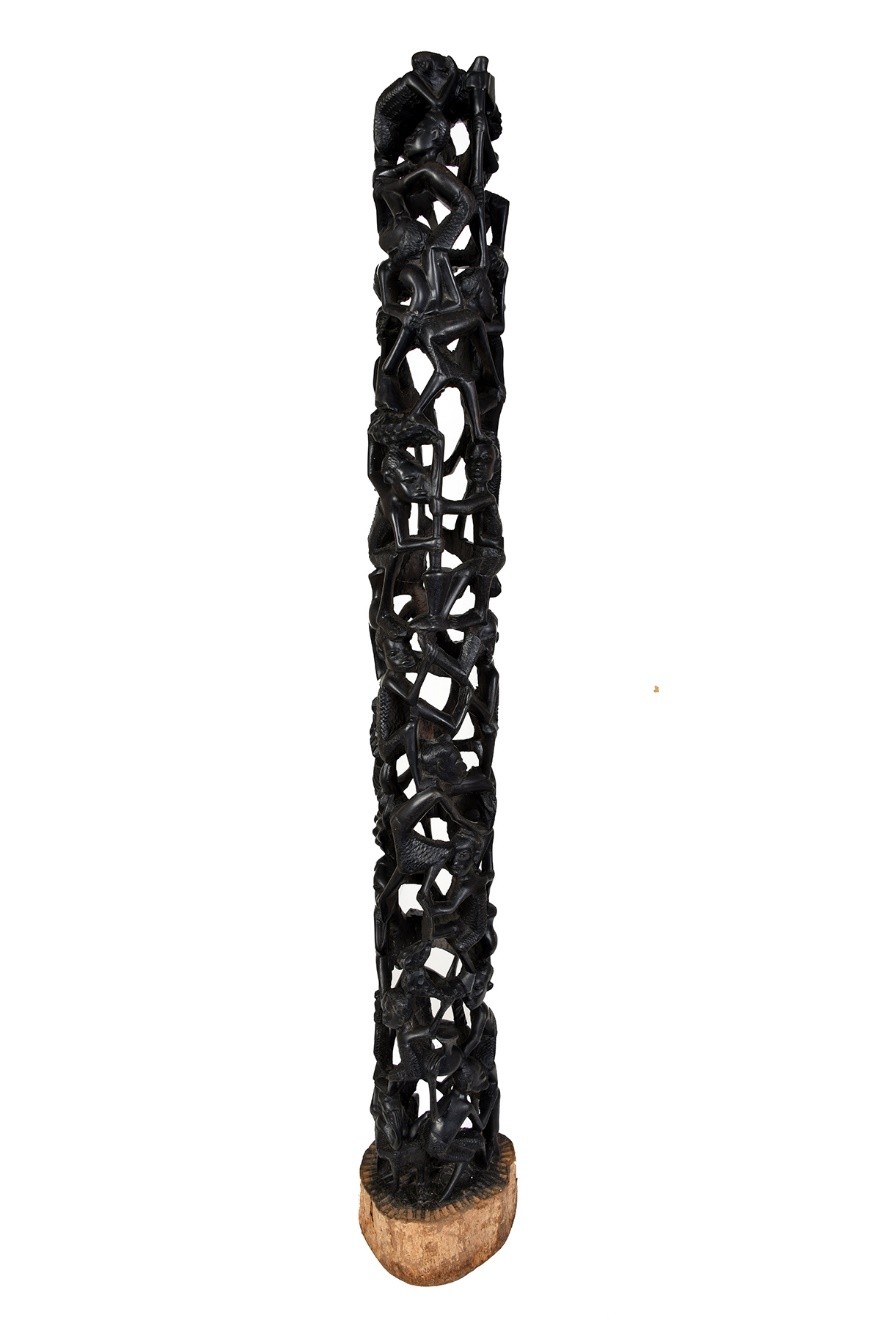
These historical examples aren’t just museum pieces. They laid the groundwork for the enduring legacy we celebrate today. They showed that art isn’t just decoration; it’s a profound language, a historical record, and a spiritual anchor.
How Has African Heritage Art Influenced Global Culture?
If you think African art stayed confined to Africa, you’re mistaken. Its influence has rippled across the globe, impacting some of the most significant artistic movements of the last century. We’re talking about a seismic shift in how the Western world viewed art, sparked directly by African forms and philosophies.
The Avant-Garde and African Inspiration
Let me tell you, when European artists at the turn of the 20th century “discovered” African masks and sculptures, it wasn’t just an appreciation; it was a revelation. Figures like Picasso, Matisse, and Modigliani were profoundly influenced. They saw in African art a directness, a power, and an abstraction that broke away from centuries of Western naturalism.
- Cubism: Picasso’s groundbreaking work, particularly “Les Demoiselles d’Avignon,” shows clear inspiration from African masks. He wasn’t copying; he was internalising the angularity, the simplified forms, and the expressive power to create something entirely new.
- Expressionism: German Expressionists were drawn to the emotional intensity and raw energy of African sculpture, using its bold forms to convey inner turmoil and spiritual longing.
- Surrealism: The surreal qualities of certain African art forms, particularly those depicting spirits or mythical beings, resonated with Surrealist artists who sought to explore the subconscious. Think of the elongated forms and exaggerated features often found in Makonde Shetani figures; they’re naturally surreal.
This wasn’t just a fleeting trend. This was a fundamental shift, forcing the art world to reconsider its definitions of beauty, form, and purpose. It effectively legitimized abstraction and non-Western perspectives in mainstream art.
Modern Design and Contemporary Resonance
Today, the influence of African heritage art is everywhere, often without us even realising it. You see it in fashion, interior design, music, and contemporary art movements. Brands like Moshaki aren’t just selling products; we’re championing a continuation of this legacy. We curate pieces that respect the traditional craftsmanship while seamlessly fitting into modern living. It’s about bringing that authentic soul into your space, not just a generic ‘ethnic’ look.
The bold patterns, the earthy colour palettes, the emphasis on natural materials – these are all hallmarks of African aesthetics that continue to inspire designers worldwide. It’s about more than just aesthetics; it’s about the narrative, the connection, the inherent value that a piece carries.
The Craftsmanship Behind African Heritage Art: More Than Just Skill
When you hold a piece of authentic African art, you’re not just holding wood or clay. You’re holding hours, days, sometimes weeks of dedicated labour, inherited knowledge, and a profound respect for materials. This isn’t factory production; it’s a direct link to generations of artisans.
Materials and Techniques: A Masterclass in Resourcefulness
The beauty of African heritage art often lies in its ingenious use of readily available natural materials:
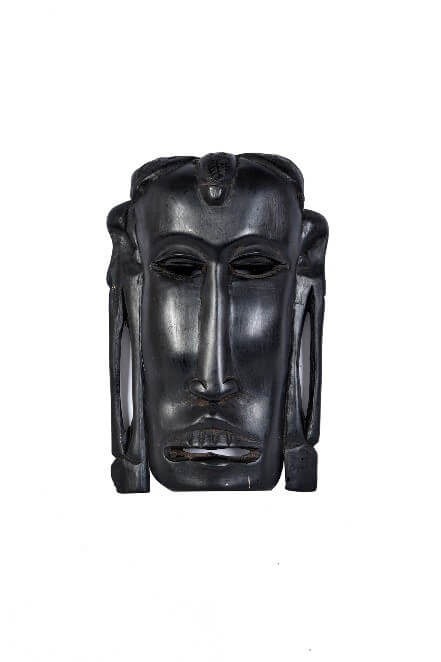
- Wood Carving: This is arguably the most dominant art form. Artisans work with various hardwoods like ebony (Mpingo), kapok, and mahogany. Each wood has its own characteristics, and carvers master techniques to highlight grain, achieve smooth finishes, or create intricate textures. The process is precise, demanding, and often involves chisels, adzes, and knives. For example, a hand-carved African mask might begin as a raw log, slowly revealing its form under the skilled hands of a master.
- Metalwork: From the lost-wax casting of Benin bronzes to intricate ironwork, African metallurgy is ancient and highly sophisticated. These weren’t just practical tools; they were symbols of power, wealth, and spiritual might.
- Textiles & Adornment: Whether it’s woven kente cloth, indigo-dyed fabrics, or intricate beadwork, African textiles are rich in symbolism and storytelling. Every pattern, every colour, often conveys a specific message about social status, history, or belief.
- Pottery & Ceramics: Utilitarian yet beautiful, African pottery reflects diverse cultural styles and uses, from storage vessels to ceremonial urns.
The Artisan’s Touch: Why Handmade Matters
Here at Moshaki, we’re all about that authentic touch. Every piece you find on our site, whether it’s clothing or a stunning artifact, has been crafted by hand. Why is this so crucial? Because it means:
- Direct Connection: You’re buying directly from the skill and passion of an artisan, often supporting entire communities. We ensure fair trade practices because that’s just good business and good ethics.
- Unique Story: No two handmade pieces are exactly alike. There’s a subtle variation, a unique imperfection that tells a story of its creation. It’s not a copy; it’s an original.
- Soulful Energy: Call me old-fashioned, but there’s a different kind of energy in something crafted with care and intention versus something churned out by a machine. It just feels… richer.
We work directly with artisans, from Mikocheni Rose Garden Road – Vunjabei, Kinondoni, Dar es Salam, ensuring they receive fair wages and work in safe conditions. This isn’t charity; it’s a partnership built on mutual respect and a shared appreciation for quality and heritage.
Integrating African Heritage Art into Your Life: Beyond the Museum
Alright, so you get it. This art is powerful, it’s meaningful, and it’s beautiful. But how do you actually bring it into your everyday? This isn’t about creating a museum in your living room; it’s about infusing your space with soul, story, and a touch of global elegance. It’s about making a statement without saying a word.
Curating Your Space: Tips for a Harmonious Blend
I’m not suggesting you turn your home into an ethnographic exhibit. The goal is to blend pieces thoughtfully, allowing them to shine while complementing your existing décor.
- The Statement Piece: One bold mask or a striking sculpture can anchor a room. Place it where it draws the eye, perhaps on a mantelpiece or a prominent wall.
- Layering Textures: Pair wooden carvings with soft textiles. The contrast in textures adds visual interest and depth.
- Earthy Palettes: African art often features natural tones – deep browns, ochres, muted reds. These colours are incredibly grounding and work well with minimalist or bohemian styles.
- Mix and Match: Don’t be afraid to mix African art with contemporary furniture or modern pieces. The contrast often creates the most interesting and sophisticated looks.
Think of it as adding layers to a story. Each piece you choose contributes to the narrative of your home, reflecting your appreciation for global culture and authentic craftsmanship.
Making a Statement: What Your Art Says About You
When you choose to incorporate African heritage art into your home or wardrobe, you’re not just buying an object. You’re making a statement about:
- Global Awareness: You appreciate cultures beyond your own.
- Quality & Craftsmanship: You value items made with skill and care, not just disposable trends.
- Storytelling: You’re drawn to objects that carry history and meaning.
- Ethical Choices: You support fair trade and sustainable practices, knowing your purchase makes a difference.
At Moshaki, our mission is to celebrate timeless design and African heritage. Every piece, from our clothing to our handcrafted artifacts and décor, is carefully curated. We believe in design with purpose – connecting you to skilled artisans and enriching contemporary living with cultural heritage.
FAQ: Your Questions on African Heritage Art, Answered.
Q: What makes African heritage art unique?
A: Its uniqueness lies in its profound connection to daily life, ritual, spirituality, and community. Unlike much Western art, African heritage art often wasn’t created purely for aesthetic contemplation but served vital functions in ceremonies, storytelling, and social structures. Each piece is embedded with deep cultural meaning and symbolism.
Q: Is it ethical to buy African art? How can I ensure fair trade?
A: Yes, it absolutely can be ethical and highly beneficial to communities when done right. To ensure fair trade, always buy from reputable sources that clearly state their commitment to working directly with artisans, ensuring fair wages, and promoting sustainable practices. At Moshaki, this is a core part of our brand identity. We work hand-in-hand with artisans, valuing their craft and investing in their communities.
Q: How do I care for my African wooden sculptures or masks?
A: Most wooden African art requires simple care: dust gently with a soft, dry cloth. Avoid direct sunlight, which can fade colours and cause cracking, and keep away from excessive moisture. Occasionally, you can apply a small amount of natural beeswax or wood oil to maintain the wood’s sheen and protect it.
Q: What kind of symbolism is common in African heritage art?
A: Symbolism is incredibly rich and varied, but common themes include fertility, ancestral reverence, protection, wisdom, community, and the connection to nature and spirits. Animals often represent specific traits (e.g., the lion for strength, the crocodile for adaptability), and geometric patterns can convey complex messages about lineage or cosmology.
Q: Can African heritage art fit into modern home decor?
A: Absolutely. The bold forms, natural materials, and earthy colour palettes of African heritage art make it incredibly versatile. It can create stunning contrasts in minimalist spaces, add warmth to contemporary interiors, or serve as a rich focal point in more eclectic designs. It’s about adding a layer of authenticity and storytelling to your modern living.
The Enduring Echo: Why African Heritage Art Still Rules
So, there you have it. African heritage art isn’t just a niche category; it’s a powerhouse of history, culture, and artistic innovation. It’s the real deal, the kind of art that makes you pause, think, and feel something genuine. From ancient rituals to global inspiration, its legacy continues to be profound and unmistakable.
At Moshaki, we’re not just selling pieces; we’re sharing stories, preserving traditions, and fostering connections. We believe in quality, in heritage, and in design with purpose. When you bring a piece of authentic African heritage art into your life, you’re not just decorating; you’re investing in a legacy that enriches not only your space but also the lives of the skilled artisans who pour their heart and soul into every creation.
For more authentic African art and artefacts, visit Our Artifacts Collection. You might just find that perfect piece that speaks to you.
Connect with Us:
The Office: Mikocheni Rose Garden Road – Vunjabei, Kinondoni, Dar es Salam
Phone Number: +255 655 220 387
Contact Information: info@moshaki.com
Our Business Hours:
- Monday – Friday: 8am – 4pm
- Saturday – Sunday: 9am – 5pm