Timeless Treasures: The Rich History Behind Ancient African Artifacts
Fancy a cuppa? Great. Because today, we're going to dive deep into a topic that's often overlooked but holds immense power and beauty: the rich and captivating Ancient African Artifacts History. Forget what you think you know about history; this isn't just about dusty museum pieces. This is about stories, power, spirit, and the sheer ingenuity of human hands. We're talking about treasures that didn't just exist but shaped entire civilisations, carried spiritual weight, and continue to tell tales that echo across millennia. When you truly grasp the depth here, you’ll see these aren't just objects; they’re legacies etched in wood, metal, and clay.
At Moshaki, we're not just selling art; we're celebrating heritage. Every piece we curate, every item we craft, tells a story of skill, tradition, and profound cultural meaning. The journey of Ancient African Artifacts History is a testament to this, revealing the incredible craftsmanship and unique cultural significance embedded in each item. Let's get into it, shall we?
What Exactly Defines Ancient African Artifacts?
When I talk about "ancient African artifacts," what exactly am I referring to? It’s simple, really. We're looking at objects created by people across the African continent from antiquity right up to the early colonial period. These aren't just random trinkets; they're items with purpose. They were tools, ceremonial objects, symbols of power, works of art, or even everyday items imbued with cultural meaning. The key here is their age and their profound connection to the historical and cultural fabric of African societies.
Unlike some Western art traditions that separate "art" from "craft," in Africa, these categories often blend seamlessly. A mask used in a ritual dance isn't just a decorative item; it's a conduit to the spiritual world. A fertility figure isn't just a carving; it's a prayer for continuity and prosperity. The materials themselves – wood, bronze, terracotta, ivory, stone, and even natural pigments – were often chosen for their symbolic qualities as much as their durability or aesthetic appeal. Understanding this dual nature is crucial to appreciating their true value.
A Glimpse into the Past: Key Periods in Ancient African Artifacts History
Africa is a continent of staggering diversity, and its artistic history is equally vast. You can’t put it all in one box. What we see in Ancient African Artifacts History is a tapestry woven across countless kingdoms, tribes, and epochs. Let's look at some standout periods and regions:
From Ancient Nok to Powerful Benin: West African Mastery
When you talk about West African art, you can't ignore the Nok culture, which flourished in modern-day Nigeria from around 1000 BCE to 300 CE. Their terracotta figures, often with distinctive elaborate hairstyles and almond-shaped eyes, are some of the earliest known sculptural arts in Sub-Saharan Africa. These pieces suggest complex societies with advanced artistic practices, even if much of their purpose remains a mystery.
Moving forward, we see the incredible Ife and Benin kingdoms. Ife, considered the spiritual heartland of the Yoruba people (11th-15th centuries), produced breathtakingly realistic bronze and terracotta heads. These weren't just pretty faces; they were often portraits of rulers and deities, demonstrating an unparalleled mastery of metal casting. Then came the Benin Kingdom (13th-19th centuries), whose bronzes, especially their commemorative heads and plaques, became world-renowned. These works weren't simply art; they were historical records, decorating royal palaces and documenting generations of kings and their achievements. We’re talking about a level of detail and sophistication that was, frankly, revolutionary for its time. You see a piece like this, and you know it was crafted by someone who knew their stuff, intimately.
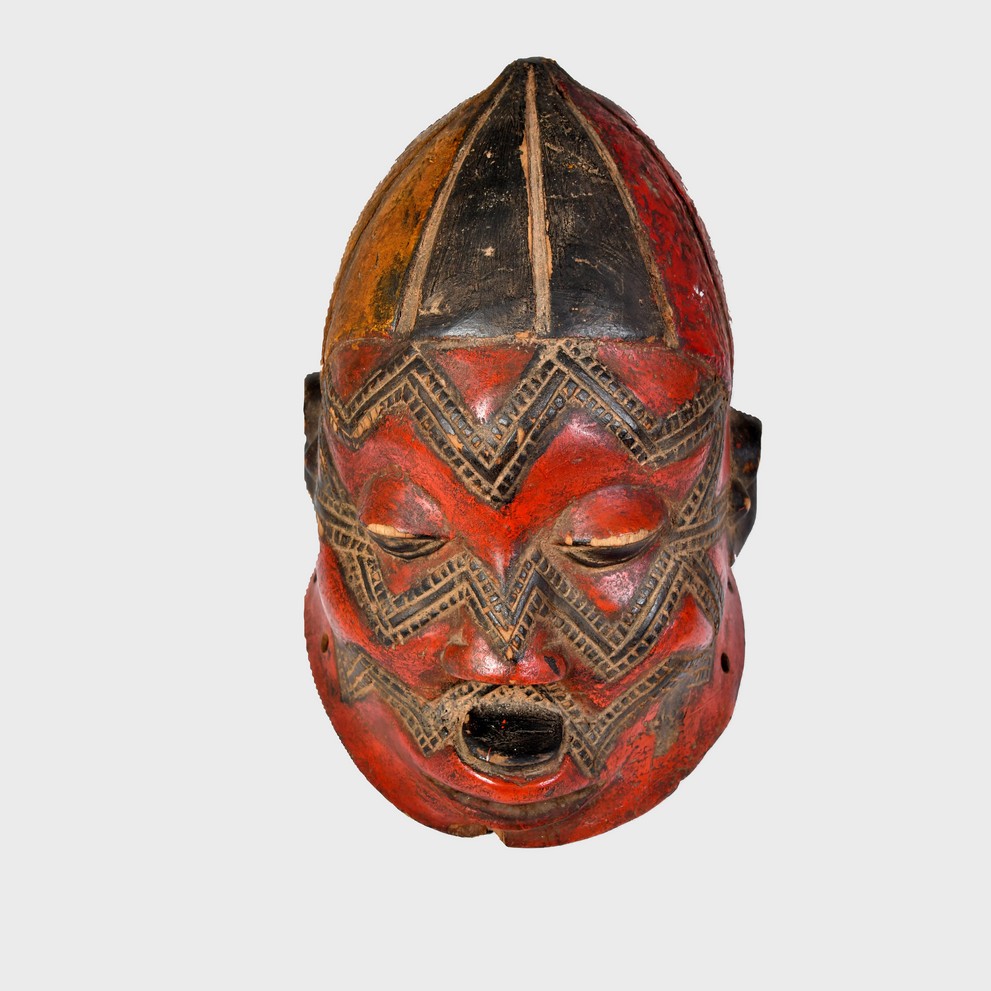
A hand-carved wooden mask, such as this Luba-inspired Heritage Mask, carries ancestral stories and spiritual power.
Central and East Africa: Spirits, Fertility, and Community
Shift your gaze eastward and southward, and you’ll find another rich vein of Ancient African Artifacts History. The Luba people of the Democratic Republic of Congo are famous for their memory boards (Lukasa) and elegant female figures, which served as mnemonic devices for oral history and symbols of leadership. Further east, in regions like Tanzania and Mozambique, the Makonde people carved distinctive masks and elaborate 'Tree of Life' sculptures, known as Ujamaa.
These pieces, often depicting interwoven figures, symbolise family unity and community support – a profound message delivered through exceptional craftsmanship. We’re talking about intricate Makonde Tree of Life sculptures that tell stories of generations, showing exactly how vital communal bonds were. This isn't just about individual artistry; it’s about art in service of community, a much bigger concept than a single person’s expression.
How Did Ancient African Artifacts Shape Culture and Society?
Here’s the thing: these weren't just pretty objects sitting on a shelf. They were active participants in daily life, spiritual practices, and social structures. They dictated how people interacted, how they understood their world, and how they connected with the past and future. We're talking about tangible assets with intangible power.
Ritual and Spirituality: Connecting Worlds
Many ancient African artifacts were deeply embedded in spiritual and religious practices. Masks, for instance, weren't worn by individuals; they embodied spirits, ancestors, or deities during ceremonies. When a dancer wore a mask, they became that spirit, bridging the gap between the human and spiritual realms. Imagine the power in that. It’s not a costume; it’s a transformation. Fertility figures, like those inspired by the Songye people, were not just carvings but powerful appeals for abundant harvests, healthy offspring, and the continuation of the lineage. They were tools for spiritual connection, a direct line to the forces that governed life.
Artifacts also played a critical role in establishing and maintaining social order. Regalia – crowns, sceptres, ceremonial staffs, and elaborate clothing – were potent symbols of a ruler’s authority. The bronze plaques of Benin, for example, didn't just decorate the Oba’s palace; they proclaimed his power, documented his triumphs, and reinforced the hierarchy of the kingdom. Even everyday items could signify status. Intricately carved headrests, stools, or containers would set apart individuals of importance. These objects weren't just for show; they were visual cues, reminding everyone who was in charge and the historical weight behind that authority. It's about signalling power without uttering a single word.
Storytelling and Preserving Oral Traditions
Before widespread literacy, objects were often encyclopaedias. They stored knowledge and narratives. The geometric patterns on a shield, the motifs on a pottery vessel, or the figures intertwined in a sculpture could convey complex stories, historical events, or moral lessons. These visual narratives were crucial in societies where oral tradition was paramount. Elders would use these objects as prompts, ensuring that the wisdom of the past was accurately passed down to new generations. They helped keep the stories alive, ensuring that African heritage wasn't just spoken, but seen, touched, and felt.
Take, for example, the intricate carvings of the Makonde people from Tanzania and Mozambique. Their Shetani spirit figures aren't just abstract sculptures; they embody the spirit beings that traverse the visible and invisible worlds in Makonde belief. They represent the energy of daily life and the ancestral realm. You look at a Makonde Shetani Spirit Figure, and you’re looking at a story, a belief system, and a cultural narrative all rolled into one. It’s a masterclass in how to convey complex ideas through form.
The Craftsmanship: What Made These Artifacts Unique?
Let's get down to brass tacks: the skill involved in creating these pieces was phenomenal. We're not talking about mass production here; we're talking about individual mastery, passed down through generations. This is where Moshaki’s commitment to quality and craftsmanship really shines through, connecting modern collections to these ancient techniques.
Mastery of Materials: Wood, Metal, and Clay
Wood Carving: This was, and still is, a cornerstone of African artistry. Artisans perfected techniques to carve incredibly complex forms from dense hardwoods like ebony, iroko, and mahogany. Think about the detail in a ceremonial mask or a figurative sculpture – these weren't simple cuts. They involved deep understanding of the wood grain, careful chiselling, and often hours of polishing to achieve a lustrous finish. The tools might have been basic, but the skill was anything but.
Metalwork: The bronze casting of Ife and Benin is legendary. Using the "lost-wax" technique, artists could create remarkably detailed and intricate metal sculptures. This process required immense skill, from modelling the wax, to preparing the clay mould, to pouring the molten metal, and finally, chiselling and polishing the finished piece. It’s a testament to their metallurgical knowledge and artistic vision.
Pottery: From utilitarian storage jars to elaborate ceremonial vessels, pottery was vital. African potters used various techniques, including coiling, pinching, and slab building, often decorating their pieces with incised patterns, appliques, or painted designs using natural clays and mineral pigments. Each pattern had a meaning, turning a simple pot into a piece of cultural dialogue.
The Finish: Pigments, Patinas, and Adornments
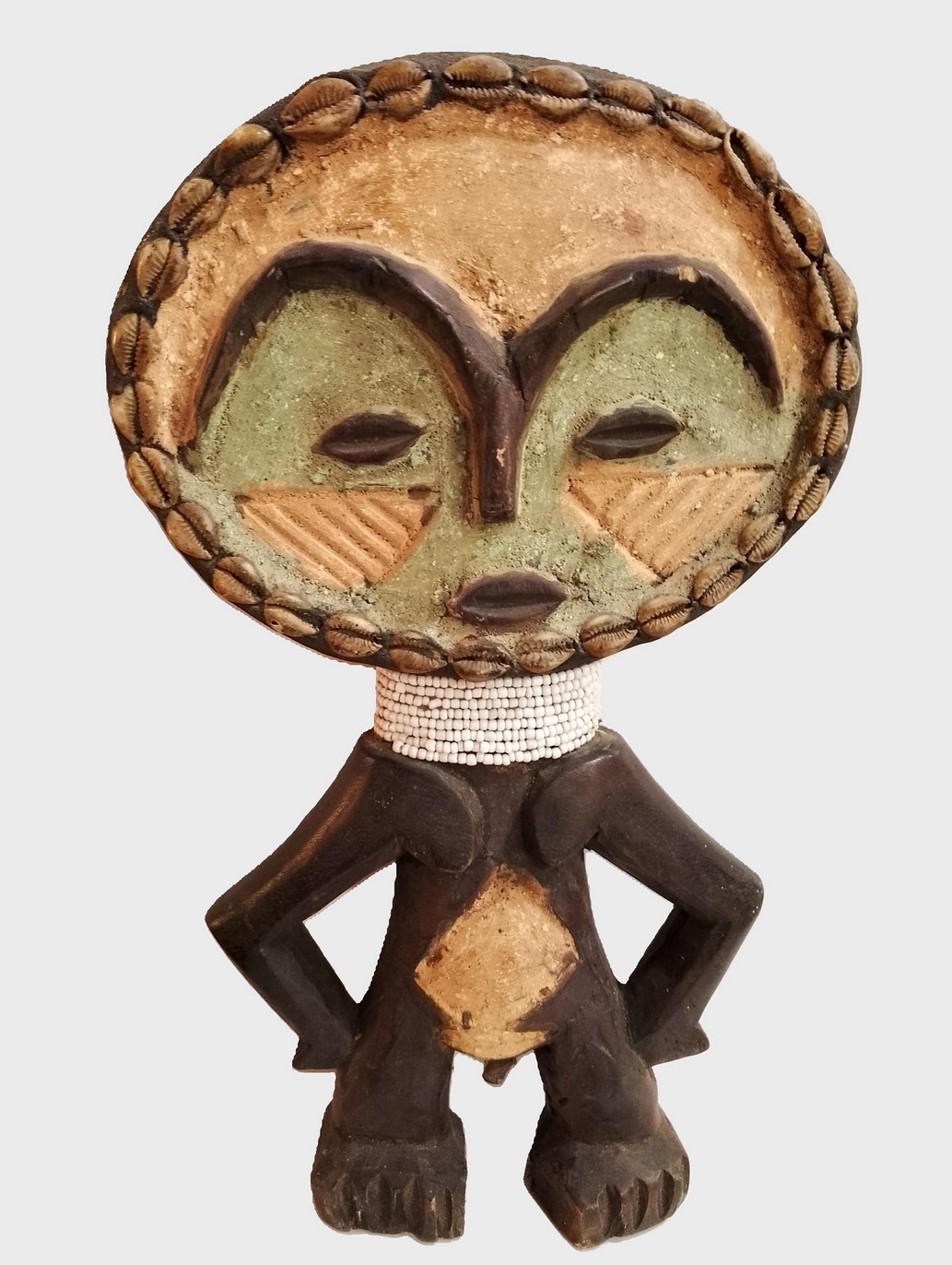
It wasn't just about the carving; it was about the finish. Many artifacts were adorned with natural pigments derived from plants and minerals, giving them vibrant colours or earthy tones. Over time, these pigments, combined with ritualistic application of oils, blood, or sacrificial materials, developed rich patinas that tell their own story of use and age. Think about the Vintage Makonde Lipiko Mask – its appearance today is a result of decades of interaction with its environment and human touch. Cowrie shells, beads, and metal elements were also incorporated, not just for beauty, but for their symbolic power – shells representing wealth and fertility, beads signifying status or affiliation.
Every single scratch, every worn edge, every faded pigment on an ancient artifact isn’t a flaw. It’s a mark of authenticity, a fingerprint of time. It tells you the piece was used, loved, and held sacred. That’s something you can’t fake.
Preserving the Legacy: The Future of Ancient African Artifacts
Let's be blunt: the history of Ancient African Artifacts History is also a history of immense loss. Colonialism led to the widespread plunder of countless treasures, now housed in Western museums, often without proper provenance or ethical acquisition. This isn't just about "objects"; it’s about stolen heritage, fractured cultural narratives, and a continued imbalance in who tells the story.
However, the narrative is shifting. There's a growing global recognition of the importance of repatriating these items and supporting contemporary African artists who continue these traditions. At Moshaki, our mission is to celebrate this timeless design and African heritage ethically. We work directly with skilled artisans, ensuring fair wages and sustainable practices. This means when you acquire a piece from us, you're not just buying an artifact; you're investing in a living tradition, empowering communities, and helping to write the next chapter of African artistry.
We are passionate about design with purpose. Our focus is on supporting local craftsmanship, promoting fair trade, and using sustainable materials. We believe every stitch, carving, and brushstroke should reflect heritage, artistry, and care, transcending fleeting trends. This is why we prioritize low-impact fabrics, sustainable packaging, and eco-conscious production methods. Because the legacy of these artifacts demands respect for both culture and our planet.
Frequently Asked Questions About Ancient African Artifacts History
What materials were commonly used in ancient African artifacts?
Ancient African artisans predominantly used readily available natural materials such as wood (ebony, iroko, kapok), terracotta clay, bronze, iron, ivory, stone, and natural pigments derived from plants and minerals. Adornments often included cowrie shells, glass beads, and various metals.
What was the primary purpose of most ancient African artifacts?
The primary purpose varied widely. Many artifacts served spiritual or ritualistic functions (masks, fertility figures), while others were symbols of political authority, social status (regalia, stools), or mnemonic devices for oral traditions. Some were also utilitarian items, beautifully crafted and imbued with cultural meaning.
Which African civilisations are famous for their ancient artifacts?
Several civilisations are renowned: the Nok culture for its terracotta figures, the Ife and Benin kingdoms for their exceptional bronze and brass castings, the Dogon for their wooden sculptures, the Luba for memory boards and female figures, and the Makonde for their elaborate wood carvings and masks, among many others.
Are ancient African artifacts still being made today?
While truly "ancient" artifacts are no longer created, the traditions, styles, and techniques of African artistry are very much alive. Contemporary artisans continue to produce magnificent works, often inspired by ancestral forms, but infused with modern interpretations. These pieces carry forward the rich heritage and provide a vital economic link for current communities.
What is the significance of masks in ancient African cultures?
Masks were profoundly significant, serving as spiritual conduits during ceremonies. Dancers wearing masks would embody ancestral spirits, deities, or forces of nature, facilitating communication between the human and spiritual worlds. They played roles in initiation rites, harvest festivals, funerals, and social control, representing transformation, protection, and community identity.
Conclusion: The Undeniable Power of Ancient African Artifacts
Look, I've laid it all out for you. The Ancient African Artifacts History isn't just some niche academic pursuit. It's a raw, unfiltered look into human ingenuity, spiritual depth, and the unbreakable spirit of entire civilisations. These aren't just objects; they are testimonials to the enduring power of culture, art, and storytelling. They're a reminder that true value isn't measured in fleeting trends, but in timeless meaning and unparalleled craftsmanship. At Moshaki, we're honoured to be a part of preserving and celebrating this incredible legacy. So, next time you see an African artifact, remember: you’re not just seeing wood or metal. You’re seeing history, spirit, and a piece of the human story that demands respect.
Ready to connect with this heritage? Explore our curated collection of original art and handcrafted artefacts at Moshaki. Each piece is chosen for its quality, heritage, and unique story.
Contact Us: The Office Mikocheni Rose Garden Road – Vunjabei, Kinondoni, Dar es Salam
Moshaki was founded to celebrate timeless design and African heritage. We create high-quality clothing and curate original art, handcrafted artefacts, and décor that enrich contemporary living. Each piece connects you to skilled artisans and our cultural heritage.
Every Moshaki piece promotes local craftsmanship, fair trade practices, and the use of sustainable materials. This is design with purpose for those who value quality, heritage, and style.
Environmental Stewardship
We prioritize low-impact fabrics, sustainable packaging, and eco-conscious production methods.
Social Responsibility
We work with artisans to ensure fair wages, safe conditions, and lasting community investment.
Quality & Craftsmanship
Every stitch, carving, and brushstroke reflects heritage, artistry, and care beyond trends.