

Decorating with African Artifacts: A Guide to Authentic Home Styling
Right, let’s talk about something truly impactful: decorating with African artifacts. Forget bland, off-the-shelf decor that screams “mass-produced.” We’re aiming for spaces that tell a story, exude character, and genuinely reflect a rich heritage. If you’re anything like me, you want your home to be more than just a place to sleep; you want it to be an experience, a conversation starter. And that, my friends, is precisely what authentic African art and artefacts deliver.
At Moshaki, we’re all about celebrating timeless design and African heritage. Each piece we curate connects you to skilled artisans and a vibrant cultural narrative. So, let’s get into how you can transform your home from ‘just a house’ to a truly soulful sanctuary using these incredible pieces. No fluff, just actionable insights.
What Exactly Are Authentic African Artifacts for Home Decor?
When I talk about African artifacts, I’m not just talking about souvenirs. I’m talking about pieces that carry history, meaning, and the spirit of the communities they come from. Think hand-carved wooden sculptures, intricate masks, woven textiles, and traditional pottery. These aren’t merely decorative items; they’re cultural statements. They represent generations of artistic tradition, spiritual beliefs, and community values.
Authenticity here is key. It means pieces crafted by skilled artisans, often using techniques passed down through families for centuries. It means materials sourced locally, honouring the environment and supporting fair trade practices. When you buy an authentic piece, you’re not just buying an object; you’re investing in a legacy. You’re bringing a piece of genuine human endeavour into your home, something that was made with purpose and heart.
Why Should You Consider Decorating with African Artifacts?
Beyond the obvious aesthetic appeal, there are powerful reasons to incorporate these pieces into your home. It’s about more than just looking good; it’s about feeling good, too.
- They Tell a Story: Every carving, every pattern, every bead has a narrative. It speaks of a tribe’s history, a carver’s skill, or a spiritual belief. Your home becomes a living gallery, each piece a chapter.
- They Add Unique Character: Mass-produced items can make your home look like everyone else’s. African artifacts offer unparalleled uniqueness. No two hand-carved pieces are ever identical, giving your space an individuality that’s impossible to replicate.
- They Foster Connection: These aren’t just objects; they’re bridges to different cultures. They invite curiosity, prompt conversations, and remind us of the rich tapestry of human expression across the globe.
- They Support Artisans and Heritage: At Moshaki, we’re committed to supporting local craftsmanship, fair trade practices, and sustainable materials. Your purchase directly impacts these communities, helping to preserve ancient skills and traditions for future generations. It’s design with purpose, not just profit.
- They Bring Warmth and Soul: There’s an undeniable energy that comes from handmade items. They bring warmth, depth, and a soulful presence that transforms a house into a home.
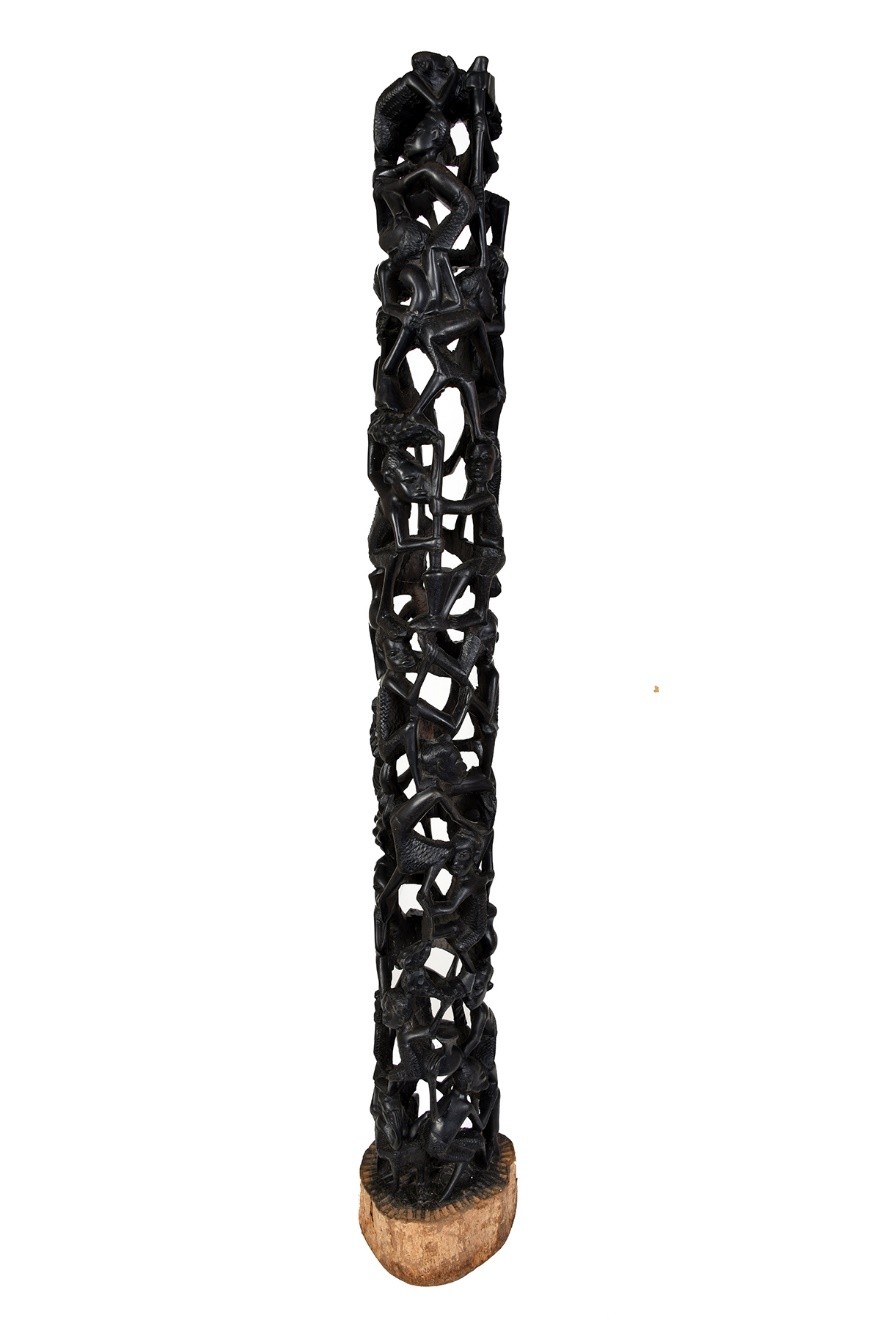
Take, for instance, a magnificent Makonde Tree of Life sculpture. It’s not just a tall, dark wooden carving. It represents family unity, community strength, and the continuity of life itself, with generations interwoven in its form. Imagine that kind of profound symbolism gracing your living room. That’s power.

How to Integrate African Artifacts into Modern Decor: A Step-by-Step Approach
Now, this is where some people get stuck. They love the idea but worry about how to blend traditional African pieces with their existing, often modern, decor. It’s actually simpler than you think. The key is balance and intentionality.
1. Start Small and Strategically
You don’t need to overhaul your entire home overnight. Begin with one or two significant pieces. A striking mask on a feature wall, a beautifully carved figurine on a bookshelf, or a woven basket as a focal point. These pieces act as anchors, drawing the eye and setting a tone.
Consider a captivating “Man in Thought” sculpture. Its abstract form and smooth lines make it surprisingly versatile. Place it on a minimalist console table or a floating shelf, and it instantly adds a touch of profound artistry without overwhelming the space. It’s about thoughtful placement, not clutter.
2. Embrace Contrast and Texture
Modern homes often feature clean lines, neutral colours, and smooth surfaces. African artifacts, with their organic shapes, rich textures (wood, metal, woven fibres), and earthy tones, provide a fantastic contrast. This interplay creates visual interest and warmth.
- Wood on Metal: A polished ebony sculpture against a sleek metallic lamp or table.
- Textiles on Leather: A vibrantly patterned throw draped over a modern leather sofa.
- Earthenware with Glass: Hand-coiled pottery next to a contemporary glass vase.
This contrast isn’t about clashing; it’s about creating a dynamic dialogue between different styles and eras. It gives your home depth and a curated feel, rather than a showroom look.
3. Use Groupings for Impact
Sometimes, a single piece is powerful. Other times, a collection makes a bolder statement. Group smaller artifacts together on a mantelpiece, a side table, or within a display cabinet. This creates a curated vignette that tells a richer story. For example, a trio of hand-carved animal figurines or a collection of different-sized masks on a wall can be incredibly effective.
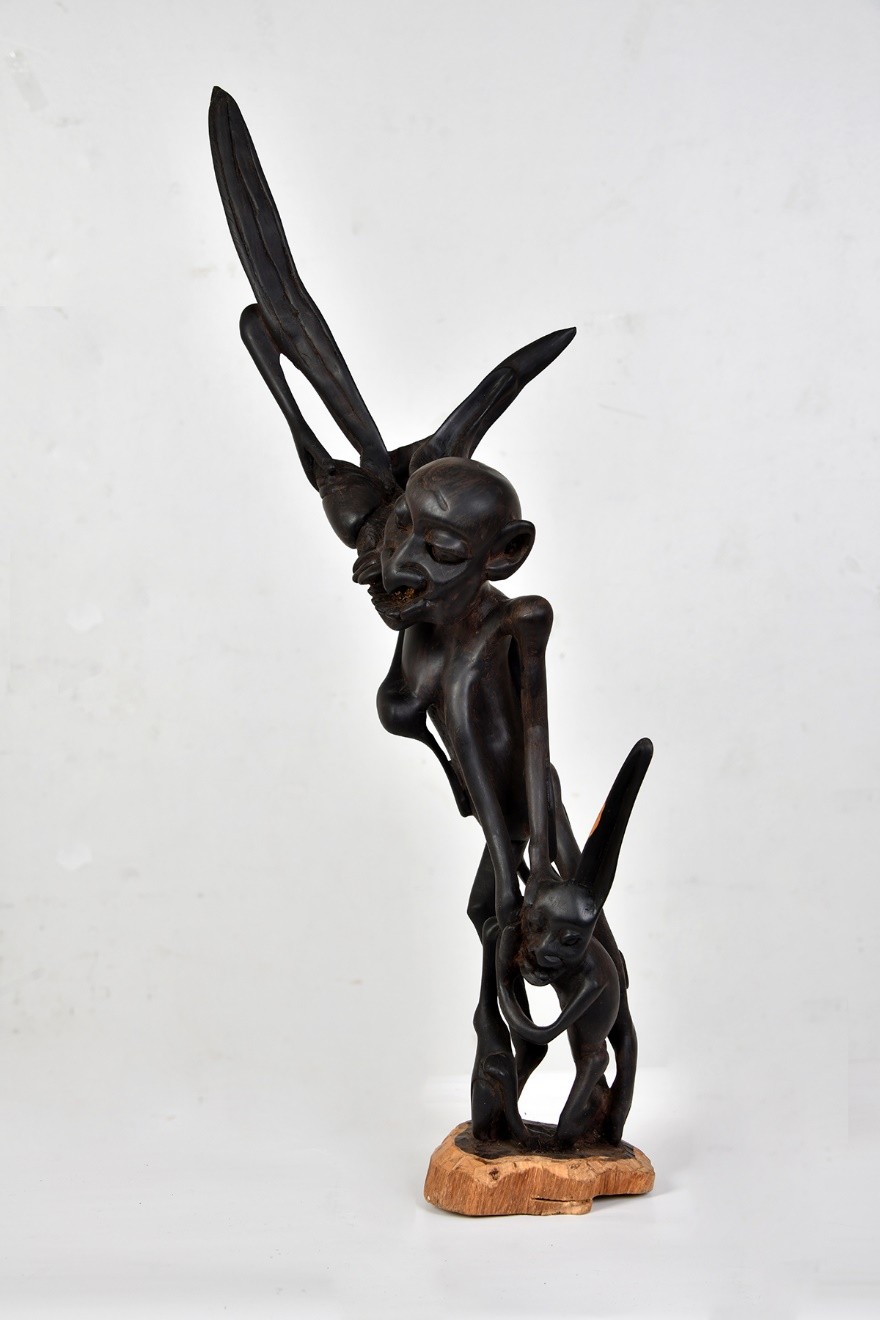
A striking abstract ebony sculpture, with its elongated form, can be paired with a couple of smaller, simpler wooden bowls or a tactile woven mat to create a balanced display. It’s about creating moments that demand attention, without screaming for it.
4. Pay Attention to Lighting
Good lighting can elevate any decor, and African artifacts are no exception. Spotlights can highlight the intricate details of a mask or sculpture, drawing attention to its craftsmanship. Soft, ambient lighting can create a warm, inviting glow that enhances the natural textures and earthy colours of the pieces.
5. Consider the Colour Palette
African artifacts often feature rich, earthy tones – deep browns, reds, ochres, and natural creams, sometimes accented with vibrant blues or whites. If your modern decor is predominantly neutral, these pieces can introduce beautiful warmth and subtle colour. If your home already has bolder colours, choose artifacts that complement or provide a harmonious contrast.
Where to Place African Artifacts for Maximum Impact?
Placement is everything. Think about how each piece will interact with its surroundings and how it contributes to the overall feeling of the room.
Living Room: The Heart of the Home
Your living room is where most of the magic happens. It’s where you relax, entertain, and often where your personality truly shines. This is prime real estate for your most cherished African artifacts.
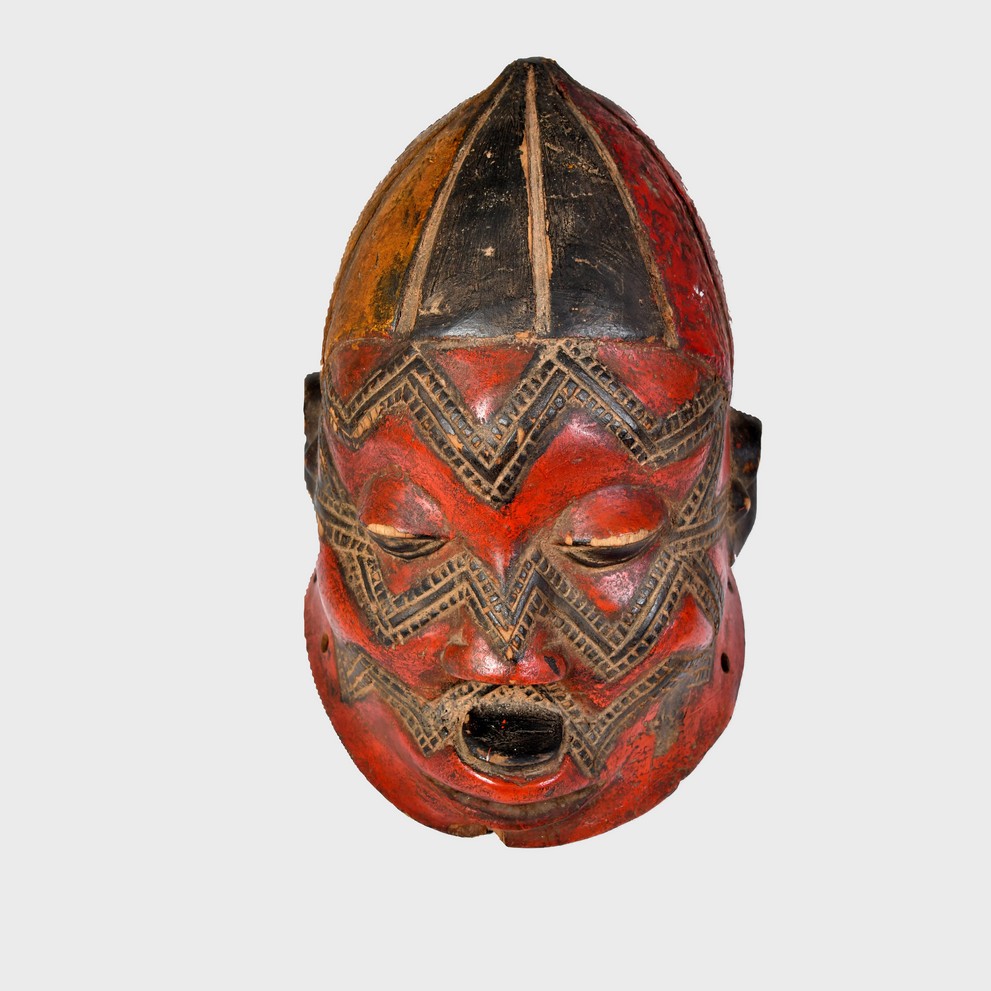
- Feature Wall: A large tribal mask, like a Luba-inspired mask with its bold red pigment and geometric scarification, makes an incredible statement piece. It instantly becomes a focal point and a conversation starter. Position it above a sofa, a fireplace, or in a prominent entryway.
- Coffee or Console Tables: Smaller sculptures, intricately carved boxes, or a group of tribal beads displayed in a clear bowl can add texture and interest.
- Bookshelves: Intersperse smaller figurines, like the Songye-inspired fertility figure, among your books. They provide unexpected pops of cultural flair.
Dining Room: A Gathering Place
The dining room is perfect for pieces that spark conversation and create an inviting atmosphere.
- Centrepiece: A hand-carved wooden bowl filled with natural elements or smaller, polished stones can be a beautiful and grounded centrepiece.
- Wall Art: Consider a set of woven plates or a small collection of tribal shields mounted on the wall to add texture and a rustic, authentic touch.
Bedroom: A Personal Sanctuary
Your bedroom should be a place of calm and personal reflection. Choose pieces that evoke peace and strength.
- Bedside Table: A smooth, abstract sculpture or a small, symbolic figurine can be a gentle reminder of cultural connection.
- Wall Above Bed: A textile wall hanging with subtle patterns can add warmth and softness.
Hallways and Entryways: First Impressions
These areas are often overlooked but are crucial for setting the tone of your home.
- Console Table: A single, elegant mask or a pair of symbolic figures can greet guests with an air of cultural sophistication.
- Wall Space: A series of framed African prints or small woven baskets can transform a plain hallway into an interesting passage.
Avoiding Common Mistakes When Decorating with African Artifacts
Even with the best intentions, it’s easy to make a few missteps. Here’s how to avoid them:
- Don’t Clutter: Less is often more. Allow each piece room to breathe and be appreciated. A few well-chosen artifacts will have more impact than a room overflowing with too many items.
- Avoid “Theme Park” Styling: Your home shouldn’t look like a museum or a themed restaurant. Integrate, don’t overdo. The goal is a curated, elegant look, not a caricature. Blend, don’t force.
- Ensure Authenticity: Always buy from reputable sources. This not only ensures you’re getting a genuine piece but also that you’re supporting ethical trade and the artisans themselves. At Moshaki, every piece is sourced with integrity, promoting local craftsmanship and fair wages.
- Respect the Culture: Understand the meaning behind the pieces you choose. This isn’t just about aesthetics; it’s about honouring the culture and craftsmanship. A little research goes a long way in appreciating what you have.
- Don’t Be Afraid to Mix: African artifacts blend beautifully with mid-century modern, industrial, bohemian, and even Scandinavian styles. Don’t feel confined to a purely “ethnic” look. The beauty is in the fusion.
A few years ago, I visited a friend who had just returned from a trip. She’d bought so many incredible pieces, but then she just… scattered them everywhere. It looked busy and a bit chaotic. When she asked for advice, I told her to pick three hero pieces for her living room, then strategically place the others in pairs or small clusters in other rooms. Within an hour, her space transformed from cluttered to curated. It’s all about giving each piece its moment to shine.
Caring for Your African Artifacts: Preservation Tips
These are often unique, handcrafted pieces, sometimes with significant age. Proper care will ensure they remain beautiful for generations.
- Dust Regularly: Use a soft, dry cloth or a gentle brush to remove dust. For intricate carvings, a soft-bristled toothbrush can work wonders.
- Avoid Direct Sunlight: Prolonged exposure to harsh sunlight can fade pigments and dry out wood, potentially causing cracks.
- Control Humidity: Extreme fluctuations in temperature and humidity can damage wooden artifacts. Keep them away from radiators, air conditioners, and open windows.
- Gentle Cleaning: For wooden pieces, a light application of natural beeswax or a wood-specific oil every few months can help maintain their lustre and prevent drying. Avoid harsh chemical cleaners.
- Handle with Care: Many pieces are delicate. Always handle them gently, especially those with intricate beadwork or fragile elements.
Frequently Asked Questions About Decorating with African Artifacts
Q: Are African artifacts suitable for a minimalist home?
A: Absolutely! In a minimalist setting, a single, powerful African artifact can become a striking focal point. Its organic shapes and textures provide a warm contrast to clean lines, adding character without clutter. Think of it as a deliberate statement piece.
Q: How can I tell if an African artifact is authentic?
A: Look for signs of handcrafted artistry—slight imperfections, unique variations in wood grain or pattern, and natural ageing. Reputable sellers, like Moshaki, will provide provenance and information about the artisans or regions. Be wary of mass-produced items or those with generic descriptions.
Q: Can I mix artifacts from different African regions?
A: Yes, mixing pieces from different regions can create a rich, eclectic look. The key is to find commonalities in colour, material, or style to ensure cohesion. For example, several ebonised wood sculptures from East and West Africa would create a unified, elegant display.
Q: What’s the best way to display African textiles or fabrics?
A: African textiles can be draped over furniture, used as wall hangings (secured with clips or a rod), or even framed for a more formal presentation. Cushions made from traditional fabrics also add vibrant pops of colour and pattern.
Q: How do I ensure my purchase supports fair trade?
A: Purchase from businesses that explicitly state their commitment to ethical sourcing and fair trade practices, like Moshaki. We work directly with artisans, ensuring fair wages, safe conditions, and community investment. This way, your decor choices have a positive social impact.
Conclusion: Bring Your Home to Life with African Heritage
So, there you have it. Decorating with African artifacts isn’t just about filling space; it’s about imbuing your home with soul, history, and unparalleled character. It’s about making a conscious choice to surround yourself with beauty that has meaning, beauty that supports a greater cause, and beauty that tells a story far older and richer than any trend.
At Moshaki, we believe in design with purpose. We hand-pick each artifact, ensuring it meets our standards for quality, heritage, and ethical production. By choosing these pieces, you’re not just decorating; you’re becoming a custodian of cultural heritage, an advocate for skilled artisans, and a connoisseur of authentic style.
Don’t just decorate; curate a life. Make your home a reflection of the world’s incredible artistry. Go on, embrace the story.
Connect with Moshaki
Ready to discover your next conversation piece?
The Office
Mikocheni Rose Garden Road – Vunjabei, Kinondoni, Dar es Salam
Phone Number
+255 655 220 387
Contact Information
info@moshaki.com
Our Business Hours
Monday – Friday: 8am – 4pm
Saturday – Sunday: 9am – 5pm
Useful links: https://moshaki.com/arts-artifacts/