


Fancy a brew? Let’s sit down and have a chat about something truly special: the incredible world of African Artifacts Heritage. If you’ve ever found yourself scrolling through images of ancient carvings, vibrant textiles, or intricate masks, wondering about the stories they hold, you’re in the right place. These aren’t just decorative pieces; they’re echoes of history, culture, and profound human expression. At Moshaki, we’re obsessed with celebrating this rich heritage, ensuring these stories continue to inspire in our modern world.
For me, the allure of African artefacts isn’t just about their aesthetic beauty – and trust me, they are stunning. It’s about the tangible connection they offer to civilisations, philosophies, and ways of life that shaped a continent. They speak volumes, often without uttering a single word. So, let’s dive deep, shall we? We’ll explore what makes these pieces so vital, why their preservation is paramount, and how they continue to influence us today.
What Exactly Defines African Artifacts Heritage? Unpacking Centuries of Artistry
When we talk about African Artifacts Heritage, we’re not just talking about old stuff. We’re discussing a vast and diverse collection of objects crafted across thousands of years by countless ethnic groups, each with unique traditions and purposes. These artefacts span everything from ritual masks and ceremonial figures to everyday tools, intricate jewellery, and powerful sculptural forms. Each one is a window into the spiritual beliefs, social structures, historical events, and artistic mastery of its creators.
Think about it: before written history was widespread in many parts of Africa, these objects were the records. They were the textbooks, the family albums, the religious scriptures. They documented lineages, commemorated battles, guided spiritual practices, and celebrated life’s milestones. Take, for instance, the Makonde Tree of Life sculpture. This isn’t just a carving; it’s a visual narrative of interconnectedness, family unity, and ancestral support. Every figure interwoven into the wood tells a part of a larger, enduring story.
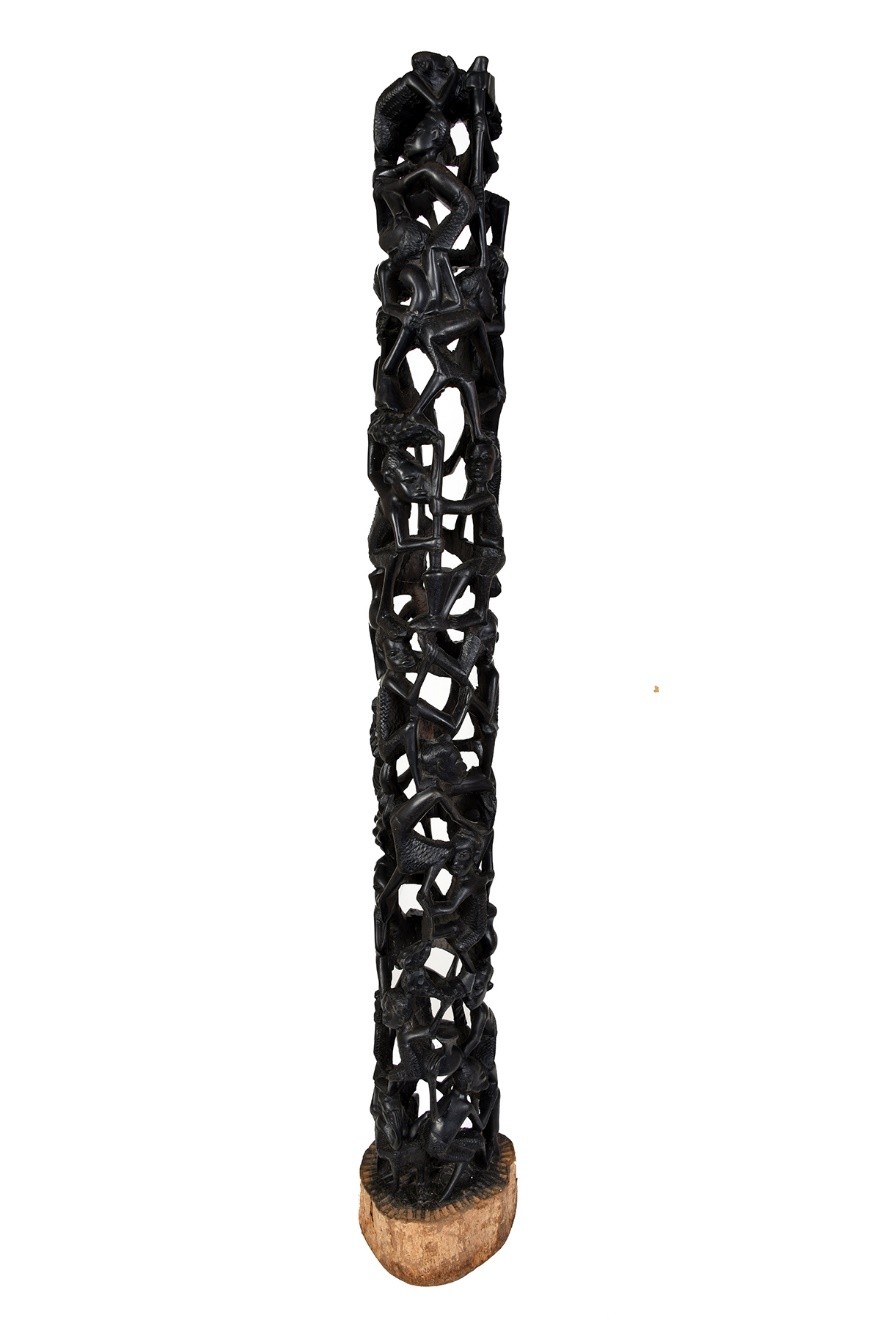
The materials themselves often carry significance: wood, bronze, ivory, terracotta, beads, and shells – each chosen not only for its availability and workability but also for its symbolic resonance. The craftsmanship is often breathtakingly detailed, reflecting generations of inherited skill and a profound respect for the material and the meaning it embodies.
The Purpose Beyond Aesthetics: More Than Just ‘Art’
One common misconception is to view these artefacts purely as “art” in the Western sense – something created solely for aesthetic appreciation and display. While their beauty is undeniable, their primary function was often deeply integrated into daily life, spiritual practices, and community rituals. They were active participants in ceremonies, guardians of homes, or markers of status.
- Ritual & Spiritual: Masks were worn to embody spirits or ancestors during dances and ceremonies. Figures like the Songye-inspired fertility figures or Makonde Shetani spirits were believed to possess spiritual power, offering protection, healing, or guidance.
- Social & Political: Thrones, staffs, and regalia communicated authority and lineage. Adornments and elaborate hairstyles could indicate social standing, age, or marital status.
- Commemorative: Memorial figures honoured ancestors, ensuring their continued presence and influence within the community.
- Utilitarian & Decorative: While serving practical purposes, even everyday items like headrests or bowls were often beautifully carved, elevating the mundane to the meaningful.
Understanding this context is crucial. It transforms our appreciation from simple admiration to a deeper, more informed respect for the intricate tapestry of African civilisations.
Why Does African Artifacts Heritage Matter Today? A Bridge to Identity and Resilience
You might be thinking, “That’s all well and good, but why should I care about ancient African artefacts in 2024?” Great question. The answer is simple: these pieces aren’t just remnants of the past; they are powerful bridges to identity, resilience, and a deeper understanding of humanity itself. They tell us where we come from, reminding us of the incredible ingenuity and spirit that has always existed across Africa.
For individuals of African descent, these artefacts are vital touchstones. In a world where history has often been distorted or erased, seeing the grandeur and sophistication of traditional African art is an act of reclamation. It fosters pride, connection, and a tangible link to a rich, unbroken heritage. It’s like looking at your family photo album, but on a continental scale – a powerful reminder of ancestral strength and creative brilliance.
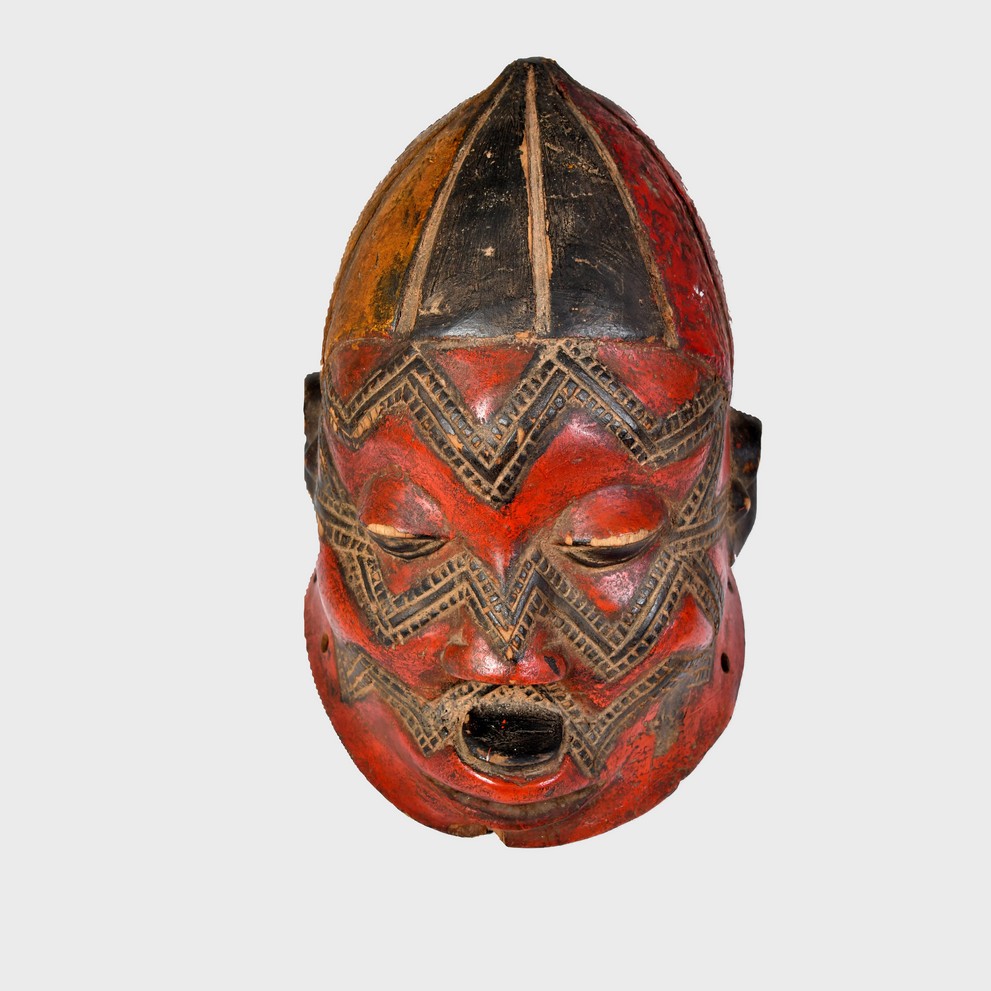
For everyone, African Artifacts Heritage offers invaluable lessons. It challenges simplistic narratives, revealing the complex, diverse, and sophisticated societies that thrived long before colonial encounters. It encourages us to look beyond Eurocentric views of history and art, opening our minds to a multitude of human experiences and expressions.
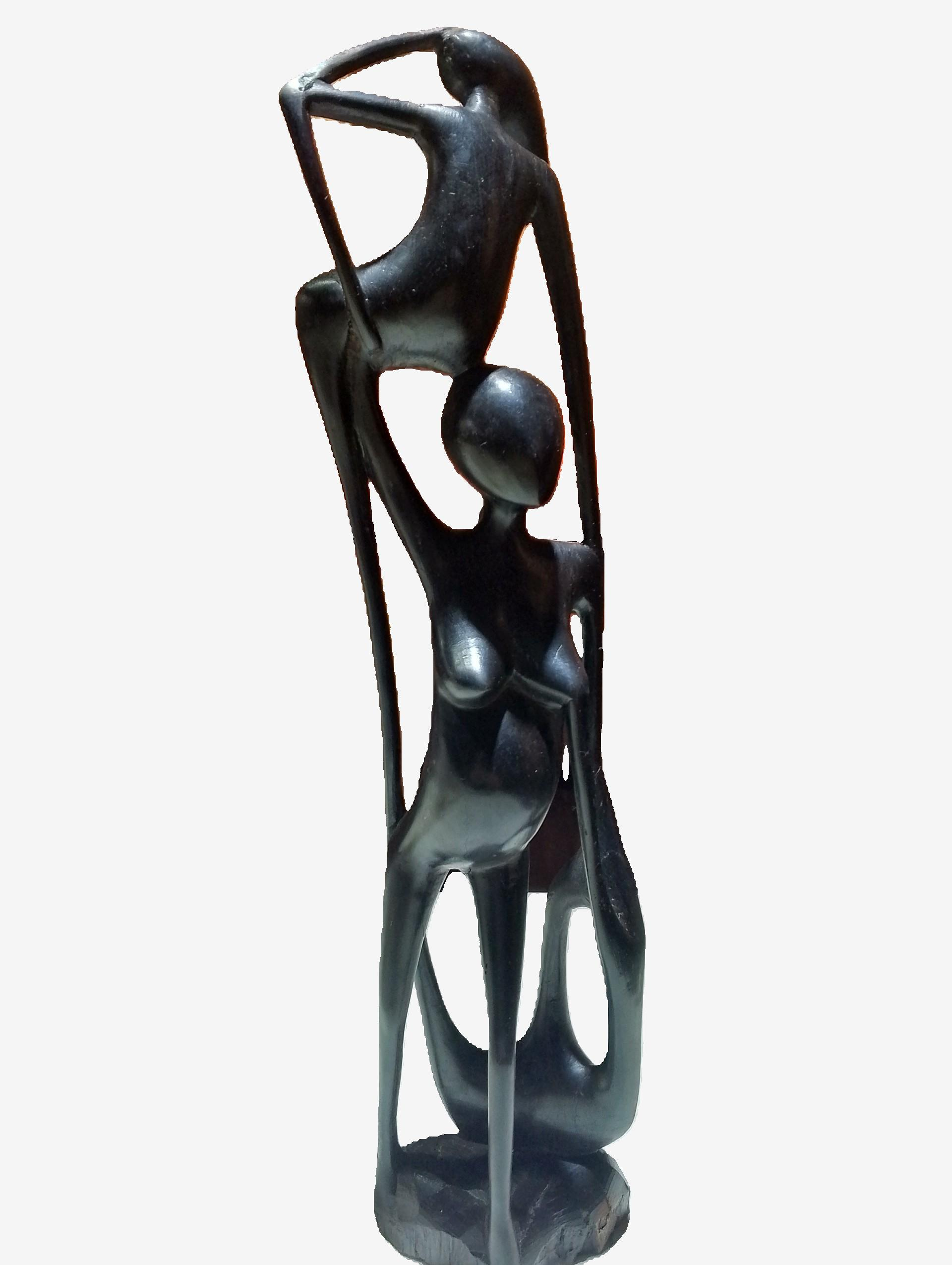
Moreover, these artefacts often embody universal themes: family, community, spirituality, justice, and the delicate balance between humanity and nature. They demonstrate innovative approaches to sustainability, craftsmanship, and social cohesion that remain incredibly relevant today. When you gaze at an African couple sculpture, you see not just wood, but a testament to enduring love and unity, a message that transcends time and borders.
Cultural Preservation and Ethical Engagement
Unfortunately, many African artefacts ended up in Western museums and private collections through colonial conquest, exploitation, or unethical acquisition. This history makes the conversation around African Artifacts Heritage complex and crucial today. Ethical engagement means supporting initiatives that respect provenance, promote repatriation where appropriate, and ensure that today’s artisans can thrive and share their stories on their own terms.
At Moshaki, we’re deeply committed to this. We partner directly with skilled local artisans, ensuring fair trade practices and sustainable sourcing. This isn’t just about selling beautiful objects; it’s about investing in living heritage. It’s about ensuring that the next generation of carvers, weavers, and artists can continue these ancient traditions, keeping the flame of African Artifacts Heritage burning bright. When you choose a piece from us, you’re not just acquiring décor; you’re supporting a legacy, a community, and a future.
How are African Artifacts Heritage Preserved and Celebrated in the 21st Century?
Preserving African Artifacts Heritage in the modern era is a multi-faceted challenge, but it’s one we’re tackling head-on. It involves more than just keeping objects in climate-controlled museums; it’s about keeping the knowledge, the skills, and the spirit alive. It’s a blend of academic rigour, community empowerment, and conscious consumerism.
The Role of Contemporary Artisans and Craftsmanship
Firstly, the preservation starts at the source: with the artisans themselves. These are the unsung heroes who carry generations of knowledge in their hands. They understand the symbolism of each curve, the significance of each pattern, and the stories embedded in the wood, clay, or fibre. Without them, the living tradition of creating these artefacts would simply fade away.
Consider the hand-carved wildlife pieces, like the majestic Rhino Sculpture or the Pair of African Lions. These aren’t just pretty animal figures; they represent a deep cultural connection to the savanna, embodying protection, strength, and endurance. When artisans carve these, they’re not just replicating an image; they’re channelling the spirit of the animal and its place within the African narrative. Supporting their work directly helps keep these profound skills and stories alive.
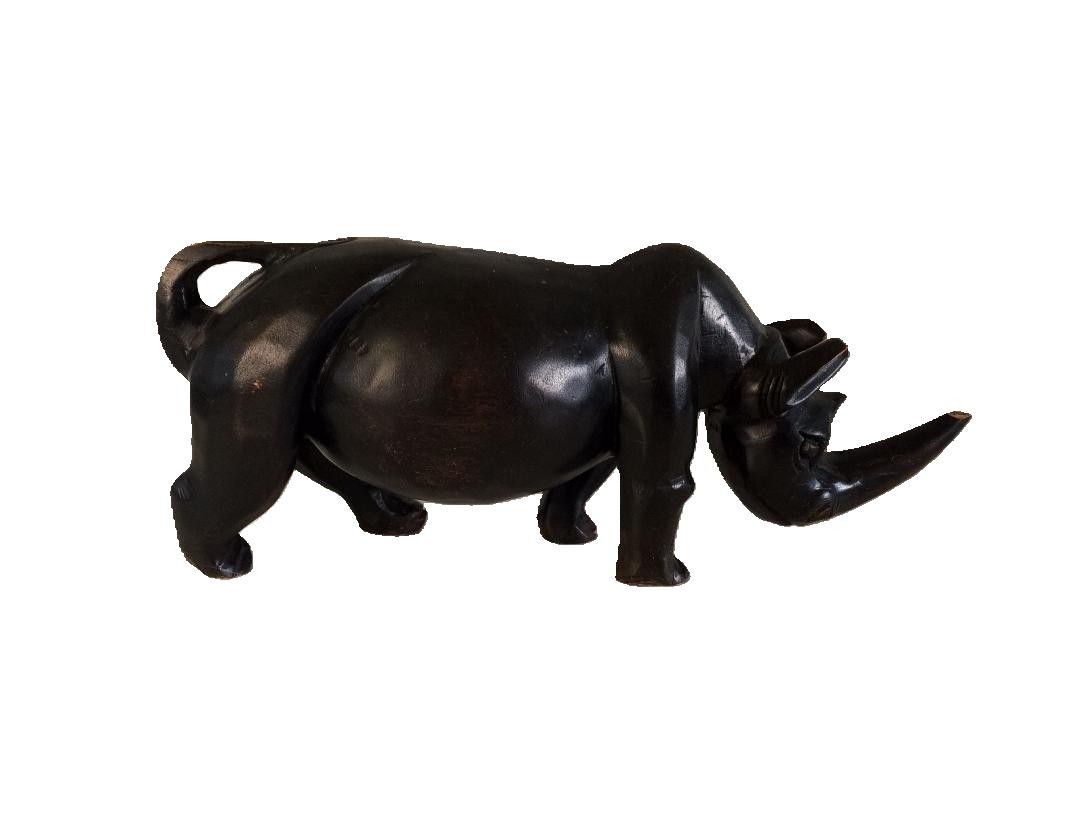
At Moshaki, we believe in supporting these artisans directly. This isn’t charity; it’s fair trade. It’s ensuring that their incredible talent is valued and that they receive fair compensation, allowing them to continue their craft, teach the next generation, and sustain their communities. This means providing them with the resources and platforms to share their masterpieces with the world, bridging ancient techniques with global appreciation.
Digital Archiving and Education
Another crucial aspect is digital preservation. Documenting artefacts with high-resolution images, detailed descriptions, and contextual information ensures that knowledge is accessible globally. Online databases and virtual museums can offer unprecedented access to collections, allowing researchers, students, and enthusiasts to study and learn, regardless of geographical barriers.
Educational programmes, both in Africa and abroad, play a massive role. By teaching about the history, symbolism, and techniques behind African artefacts, we cultivate a new generation of custodians and advocates. This isn’t just about appreciating the past; it’s about understanding its ongoing relevance and celebrating Africa’s immense contribution to global art and thought.
What Stories Do African Artifacts Heritage Tell? Unveiling Symbolism and Identity
Every piece of African Artifacts Heritage tells a story. From the geometric patterns on a shield to the serene expression on a carved figure, each detail is imbued with meaning. These stories are as diverse as the continent itself, reflecting unique cosmologies, social structures, and historical journeys.
Symbolism in Form and Motif
African artisans are masters of symbolism. A particular animal might represent wisdom, strength, or cunning. A certain posture could signify meditation, authority, or mourning. Even the choice of material – say, the rich, dark tones of ebony wood – carries weight, often associated with spiritual depth or resilience.
Take the Hand-Carved African Mask in Ebonised Wood. Its elongated features and commanding presence are not random; they’re designed to convey authority and a connection to the spiritual realm. These masks were not just objects to be seen; they were tools for transformation, allowing the wearer to embody spirits during ritual performances. The geometric patterns on a Tribal Shield might represent lineage, protection, or the interconnectedness of a community. Nothing is arbitrary; everything has a purpose and a narrative.
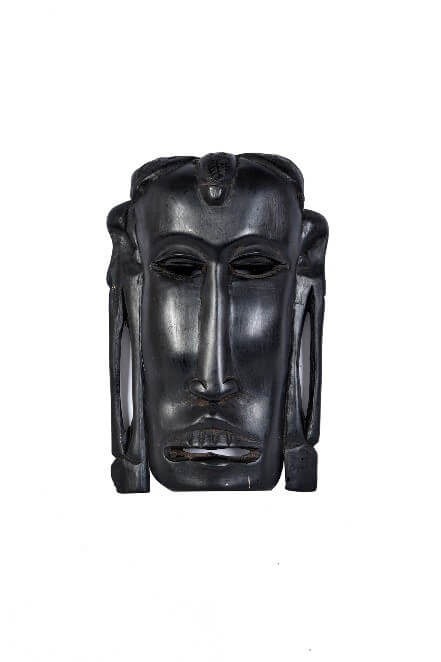
Even carvings that seem abstract, like the Modern African Wood Sculpture of a seated figure, carry a message. The minimalist form often speaks to universal themes of introspection, peace, and balance – values that resonate deeply across all cultures.
Historical Narratives and Social Commentary
Beyond spiritual and symbolic meanings, some artefacts offer direct historical commentary. The Colonial Soldier Figurines, for example, are fascinating. They represent how African artisans responded to and reinterpreted the presence of colonial powers through their own artistic lens. These pieces offer a nuanced view of history, blending observation, satire, and cultural resilience.
The stories embedded in African Artifacts Heritage are a testament to the continent’s rich and complex past, showcasing the ingenuity, creativity, and enduring spirit of its people. By engaging with these stories, we don’t just learn about Africa; we learn more about the universal human condition.
How Can You Connect with African Artifacts Heritage Authentically?
Now, if you’re feeling inspired, you might be asking, “How can I genuinely connect with this rich heritage?” It’s not just about looking at pictures; it’s about meaningful engagement. Here’s how you can make a real impact and enrich your own understanding.
Support Ethical Sourcing and Fair Trade
The most important thing is to ensure your engagement supports the communities and artisans who create these magnificent pieces today. This means buying from sources committed to ethical sourcing and fair trade practices. At Moshaki, this is non-negotiable. We ensure that every piece of art or artefact we curate directly benefits the artisans and their communities. This isn’t just a business model; it’s a philosophy rooted in respect and sustainability.
When you invest in a Hand-Carved African Family Sculpture or an Authentic African Mask from Moshaki, you’re not just buying a product. You’re becoming part of a chain that values craftsmanship, celebrates cultural identity, and supports livelihoods. You’re helping keep traditional skills alive and ensuring that the stories these objects tell continue to be heard for generations.
Learn, Explore, and Share
Educate yourself. Read books, visit reputable museum collections (and learn about their provenance policies), and engage with documentaries. The more you understand the context, the deeper your appreciation will be. Share what you learn with others – ignite conversations, challenge stereotypes, and help spread awareness about the profound depth of African Artifacts Heritage.
Think of it like this: every time you learn about a new piece, or share its story, you’re helping to dismantle old colonial narratives and replace them with a more accurate, vibrant, and respectful understanding of Africa’s contribution to global culture. It’s a powerful act of cultural exchange and celebration.
FAQs: Your Quick Guide to African Artifacts Heritage
Here are some quick answers to common questions you might have about African artefacts and their significance:
What makes African artefacts unique?
African artefacts are unique due to their profound integration into daily life, spiritual practices, and social structures, often serving a utilitarian or ritualistic function beyond mere aesthetics. They embody diverse cultural narratives, ancestral beliefs, and innovative craftsmanship from across a vast continent.
Are all African artefacts ancient?
No, not all African artefacts are ancient. While many date back centuries, contemporary artisans continue to create stunning pieces today, drawing on traditional techniques and symbolism while also evolving their styles. At Moshaki, we focus on high-quality, handcrafted artefacts, inspired by ancient customs but made by living artisans.
What is the significance of masks in African culture?
Masks are incredibly significant in African cultures, serving as powerful conduits between the human and spirit worlds. They are used in ceremonies, rituals, and celebrations to embody ancestors, spirits, or natural forces, facilitating communication, teaching moral lessons, and marking rites of passage.
How can I ensure I’m buying authentic African artefacts ethically?
To ensure ethical purchasing, buy directly from artisans or reputable businesses like Moshaki that prioritise fair trade practices, transparent sourcing, and direct support for African communities. Look for clear provenance and a commitment to preserving cultural integrity rather than exploiting it.
Why is the preservation of African artefacts important?
The preservation of African Artifacts Heritage is crucial because these objects are vital records of history, cultural identity, spiritual beliefs, and artistic innovation. They offer invaluable insights into human civilisation, challenge colonial narratives, and provide powerful connections for people of African descent, fostering pride and understanding globally.
Bringing It All Together: The Enduring Power of African Artifacts Heritage
So, there we have it. A journey, albeit a brief one, through the incredible world of African Artifacts Heritage. What started as a casual chat over coffee, I hope, has shown you that these aren’t just relics of a bygone era. They are living testaments to human creativity, resilience, and profound storytelling.
At Moshaki, our mission is simple yet powerful: to celebrate this timeless design and African heritage. We do this by curating original art and handcrafted artefacts that don’t just enrich your contemporary living spaces but connect you directly to the skilled artisans and the deep cultural heritage they represent. Every piece, be it a captivating sculpture or a symbolic mask, promotes local craftsmanship, fair trade practices, and the use of sustainable materials. This is design with purpose – for those who value quality, heritage, and style, not just in their wardrobe but in their very environment.
It’s about understanding that an artefact on your shelf isn’t just a decoration. It’s a conversation starter. It’s a piece of history. It’s a symbol of human ingenuity. And most importantly, it’s a bridge to a continent rich in wisdom, beauty, and an unbroken spirit.
I genuinely believe that by opening ourselves up to these ancient echoes, we don’t just learn about Africa; we learn more about ourselves and the incredible tapestry of our shared human story. Keep exploring, keep questioning, and keep celebrating the richness of global cultures. It’s how we grow, isn’t it?
Find more authentic African treasures and connect with our mission at Moshaki.com/arts-artifacts.
Contact Us
Should you wish to delve deeper or explore our collection, please reach out:
The Office
Mikocheni Rose Garden Road – Vunjabei, Kinondoni, Dar es Salam
Phone Number
+255 655 220 387
Contact Information
info@moshaki.com
Our Business Hours
Monday – Friday: 8am – 4pm
Saturday – Sunday: 9am – 5pm