

Sustainable African Clothing & Artisan Storytelling: Crafting a Better Future
Let’s be real. When you hear “fashion,” your mind probably jumps to the latest trends, runway shows, and perhaps, the sheer volume of clothes flooding our shops. But what if I told you there’s a movement gaining serious traction, one that’s not just about looking good, but doing good? I’m talking about Sustainable African Clothing. This isn’t just a niche; it’s a powerful shift, weaving together ethical practices, eco-friendly materials, and the profound stories of the artisans behind every stitch. And frankly, it’s about time we paid attention.
Here at Moshaki, we’re not just selling clothes; we’re selling a vision. A vision where every garment tells a story, protects our planet, and empowers the incredible hands that bring it to life. This isn’t fluff; this is purpose-driven fashion that’s built to last, both in style and impact.
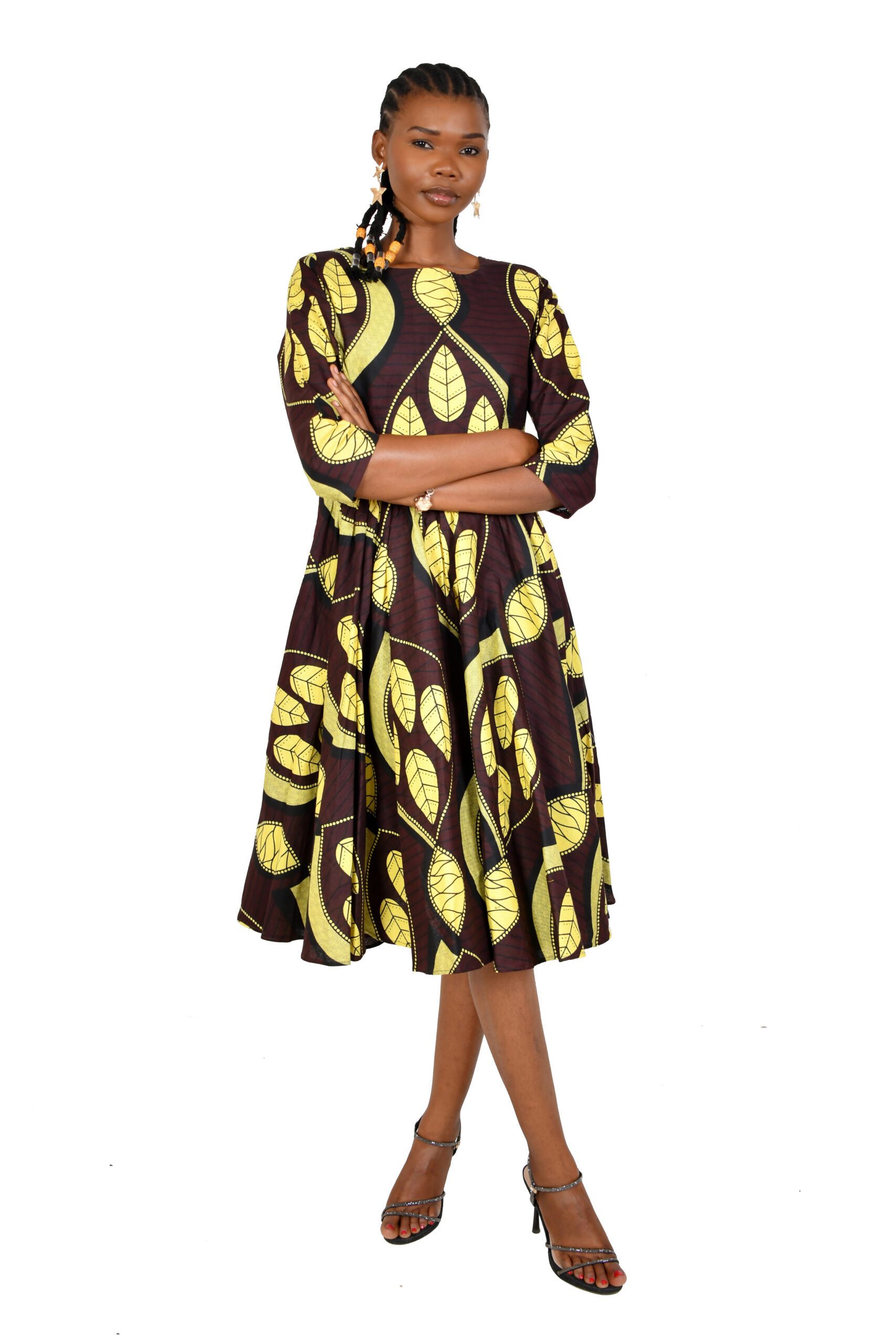
What Exactly is Sustainable African Clothing? Breaking Down the Jargon
You might be wondering, “Sustainable African Clothing? What does that even mean?” Good question. In a world full of buzzwords, it’s easy to get lost. So, let’s cut through the noise.
At its core, sustainable African clothing is about creating fashion that respects people and the planet, while deeply honouring African heritage. It’s not just about using organic cotton – though that’s a big part of it. It’s a holistic approach that covers the entire lifecycle of a garment, from seed to wardrobe.
Think about it. Fast fashion churns out clothes at an alarming rate, often at the expense of factory workers and our environment. Sustainable African fashion flips that script. We’re talking about:
- Ethical Production: Ensuring artisans receive fair wages, work in safe conditions, and are treated with the respect they deserve. This isn’t a bonus; it’s the baseline.
- Eco-Friendly Materials: Prioritising fabrics like organic cotton, linen, and traditionally sourced materials that have a lower environmental impact. Less water, fewer pesticides, better for Mother Earth.
- Cultural Preservation: Many African textile traditions are ancient, passed down through generations. Sustainable practices actively work to keep these invaluable skills alive, not just mimic them.
- Durability & Longevity: Crafting high-quality pieces designed to last, reducing waste and encouraging a “buy less, choose well” mindset.
For us at Moshaki, this means every Linen Pocket Dress or handwoven piece isn’t just a purchase; it’s an investment in a better way of doing business.
Why Should You Care About Ethical Practices in African Fashion?
Some people hear “ethical practices” and think it’s just a nice-to-have, a marketing spin. I see it differently. It’s the absolute foundation of any business worth its salt. Especially in fashion, where supply chains can be notoriously opaque.
Here’s the deal: many African artisans, particularly women, are incredibly skilled but often exploited by larger, fast-fashion entities. They pour their heart and soul into their craft, yet see very little return. Ethical practices change that equation.
- Empowering Communities: When we talk about fair wages and safe conditions, we’re not just checking boxes. We’re talking about mothers being able to send their children to school, families having access to better healthcare, and communities flourishing. It’s direct, tangible impact.
- Respecting Craftsmanship: These aren’t factory lines churning out identical items. These are individual hands, often using techniques passed down for centuries. Ethical sourcing means valuing that skill, time, and heritage.
- Building Sustainable Livelihoods: It creates a positive feedback loop. When artisans are fairly compensated, they can invest in their craft, train the next generation, and build resilient local economies. That’s real, long-term impact.
At Moshaki, for example, our commitment to social responsibility means working directly with artisans. We ensure they earn fair wages, operate in safe environments, and that their work contributes to lasting community investment. It’s not a philosophy; it’s how we operate, every single day.
How Do Eco-Friendly Materials Make a Difference in African Textiles?
The environmental footprint of the fashion industry is massive. From water consumption to chemical pollution, it’s a problem we can’t ignore. But in Africa, where many communities live close to the land, the impact of unsustainable practices is often felt most acutely.
Choosing eco-friendly materials isn’t just a trend; it’s a necessity. It’s about mitigating harm and, in many cases, actively regenerating the environment. What does this look like for African textiles?
- Natural Fibre Focus: We champion materials like organic cotton and linen. These require significantly less water and fewer harmful pesticides than conventional cotton. Less environmental degradation, healthier soil, cleaner water.
- Traditional Dyeing Techniques: Many indigenous African dyeing methods use natural pigments from plants and minerals. This drastically reduces the chemical runoff that pollutes waterways. It’s ancient wisdom meeting modern necessity.
- Minimising Waste: Sustainable brands often employ techniques like zero-waste pattern cutting or upcycling existing fabrics, ensuring that valuable resources aren’t simply thrown away.
- Sustainable Packaging: It’s not just the garment. It’s how it gets to you. We prioritise low-impact packaging to further reduce our environmental footprint.
When you wear a piece of Halter Neck Summer Dress from Moshaki made from natural cotton, you’re not just wearing a beautiful design; you’re making a conscious choice. You’re saying no to pollution and yes to a healthier planet. It’s that simple.
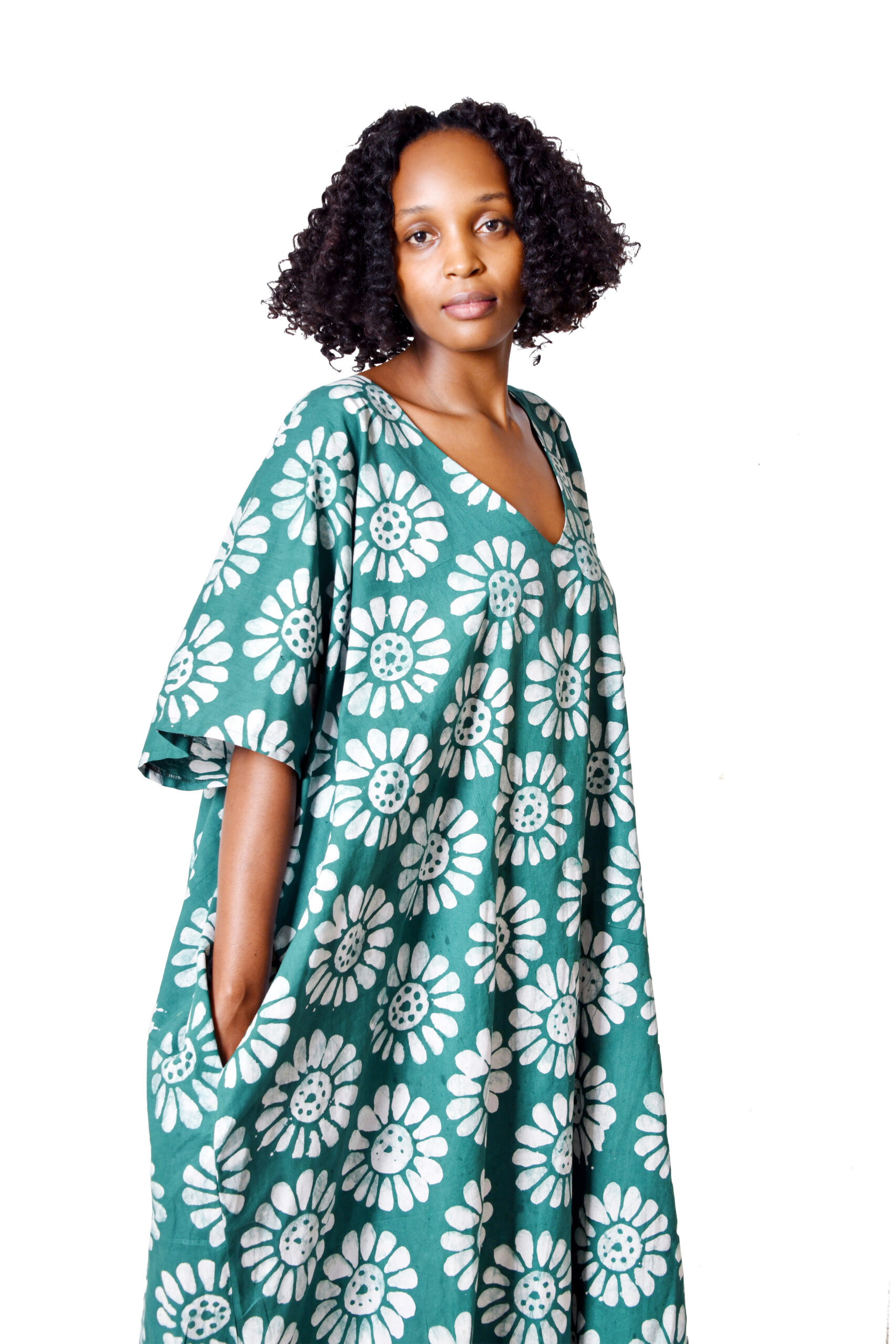
Unveiling the Power of Artisan Storytelling in Every Stitch
Let’s talk about the soul of the garment. In the world of mass production, clothes become anonymous. They lose their narrative. But with African fashion, especially sustainable pieces, every garment has a story, a history, a living connection to a person and a culture.
This isn’t some fluffy marketing tagline. It’s the truth.
- Generational Knowledge: Many patterns, weaving techniques, and embroidery styles have been passed down for centuries within families and communities. When you buy from artisans, you’re not just buying a product; you’re investing in the continuation of this invaluable cultural heritage.
- Individual Narratives: Each artisan brings their own skill, their own journey, their own touch to the piece. Imagine knowing that the garment you’re wearing supported a mother, an artist, a community leader. It transforms the act of dressing.
- Authenticity & Uniqueness: Handcrafted items inherently possess a unique charm. They aren’t perfectly uniform, and that’s precisely their beauty. These slight variations tell a story of human touch, not machine precision.
- Connecting Cultures: When you wear clothing crafted by African artisans, you carry a piece of their world with you. It fosters understanding, appreciation, and a global connection that transcends mere aesthetics.
Take our Traditional African Lace Gown. It’s not just a dress; it’s a testament to the skill, patience, and artistic vision of the hands that created it. It carries the whisper of tradition and the boldness of modern design, all wrapped in a narrative of ethical craftsmanship.
Moshaki: Crafting a Better Future Through Design with Purpose
At Moshaki, we’re not just observers of the sustainable African clothing movement; we’re active participants. We started this journey with a simple, yet profound mission: to celebrate timeless design, honour African heritage, and craft a better future through intentional fashion choices.
What does that mean for you?
- Quality That Lasts: We focus on creating high-quality clothing that transcends fleeting trends. This isn’t disposable fashion; it’s investment dressing with a conscience.
- Direct Artisan Partnerships: We work directly with skilled artisans, ensuring fair trade practices and investing in their communities. Your purchase has a direct, positive impact on real lives.
- Eco-Conscious Choices: From low-impact fabrics to sustainable packaging, environmental stewardship is at the forefront of our production methods. We’re constantly seeking ways to lessen our footprint.
- Heritage in Every Thread: Every piece we offer, whether it’s clothing or curated art and décor, connects you to a rich cultural heritage. It’s about bringing soul into your living space and wardrobe.
We believe that true style isn’t just what you wear; it’s what your clothing stands for. It’s the story behind the fabric, the hands that shaped it, and the values it represents. We invite you to explore our collection and discover pieces that enrich your life and align with your values.
You can find more of our curated collection on our website: https://moshaki.com/clothing/
Frequently Asked Questions (FAQ) about Sustainable African Clothing
What materials are commonly used in sustainable African clothing?
Sustainable African clothing often utilises natural, locally sourced, and low-impact materials. Common examples include organic cotton, linen, hemp, and various indigenous fibres. Traditional wax prints (like Kitenge) are also used when sourced from ethical suppliers who ensure fair labour practices and sustainable production methods.
How does ethical production benefit African artisans?
Ethical production ensures artisans receive fair wages, work in safe conditions, and have stable employment. This empowers them to improve their livelihoods, support their families, invest in their communities, and pass on traditional skills to future generations, fostering long-term economic and cultural sustainability.
Can I find fashionable and modern designs within sustainable African clothing?
Absolutely! The world of sustainable African fashion is incredibly diverse and vibrant. Many designers are blending traditional aesthetics with contemporary silhouettes, creating modern, stylish pieces that are both ethically produced and highly fashionable. Moshaki, for instance, focuses on timeless design that enriches contemporary living.
How can I ensure the African clothing I buy is truly sustainable and ethical?
Look for brands that are transparent about their supply chains and production processes. Check for certifications (though less common in small artisan-led businesses), read their “About Us” or “Our Story” pages for commitments to fair trade, artisan partnerships, and eco-friendly practices. Word-of-mouth and customer reviews can also provide valuable insights.
Why is artisan storytelling important in sustainable fashion?
Artisan storytelling adds immense value and meaning to clothing. It connects the wearer to the cultural heritage, traditional skills, and personal narratives of the makers. This fosters a deeper appreciation for the garment, moving away from disposable fashion towards cherished, meaningful pieces that carry a rich history and support human creativity.
The Future is Conscious: Embrace Sustainable African Clothing
So, there you have it. The world of Sustainable African Clothing isn’t just about trends; it’s about making a statement with every purchase. It’s about consciously choosing to support ethical practices, champion eco-friendly materials, and celebrate the powerful, untold stories of artisans who are, quite literally, weaving a better future.
It’s not complicated. It’s smart. It’s impactful. And it’s the kind of fashion that doesn’t just make you look good, but makes you feel good, knowing you’re part of something bigger. Join us in this journey. Let’s make intentional choices, celebrate heritage, and dress with purpose.
Ready to make a difference with your wardrobe?
Contact us:
The Office
Mikocheni Rose Garden Road – Vunjabei, Kinondoni, Dar es Salam
Phone Number
+255 655 220 387
Contact Information
info@moshaki.com
Our Business Hours
Monday – Friday: 8am – 4pm
Saturday – Sunday: 9am – 5pm