

Alright, let’s talk straight about something crucial: Sustainability African Art. If you’re anything like me, you appreciate art that tells a story, art that carries the soul of a culture. But what if that story comes at a cost to the very planet and people who inspire it? That’s where Moshaki comes in, and believe me, we’re not just talking; we’re doing. Our vision isn’t just about creating stunning pieces; it’s about ensuring they’re crafted with respect for tradition, for the artisans, and for our shared environment.
What Exactly is Sustainability in African Art, Anyway?
You might be thinking, “Sustainability? In art? What’s the big deal?” Well, it’s a massive deal. For us, at Moshaki, sustainability isn’t just a trendy word we throw around. It’s the very bedrock of our existence, especially when it comes to African art. Imagine a beautiful, hand-carved sculpture. It’s magnificent, right? But if that wood was illegally harvested, if the artisan was paid a pittance, or if its journey to you left a trail of plastic waste, then how beautiful is it really?
Sustainability in African art, from our perspective, means three things working in perfect harmony:
- Environmental Stewardship: We’re talking about using materials that don’t destroy the planet. Think responsibly sourced wood, natural pigments, and minimal waste. It’s about protecting the very ecosystems that inspire the art.
- Social Responsibility: This is huge. It’s about ensuring the talented hands that create these masterpieces are fairly compensated. It’s about safe working conditions, empowering communities, and preserving ancient skills for future generations. No exploitation, no shortcuts.
- Cultural Preservation: True sustainability extends to culture. When we support ethical practices, we’re not just buying a product; we’re investing in the survival of artistic traditions that are millennia old. We’re helping to keep cultural narratives alive, vibrant, and relevant.
It’s not enough to admire the finished piece; you have to care about how it got there. That’s the Moshaki way. It’s about ensuring that every piece of art you bring into your home is a testament to positive impact, not a hidden cost.
The Raw Truth: Why Sustainable Sourcing Isn’t Optional
Let’s be blunt: the way many industries operate is a disaster. Fast fashion, mass-produced decor – it all takes, takes, takes. But when you apply that model to something as delicate and culturally significant as African art, you’re not just causing environmental damage; you’re eroding heritage. This isn’t some abstract concept; it’s happening now, and it affects everything from deforestation to cultural theft.
Think about it. Harvesting rare hardwoods without replanting devastates local ecosystems. Using toxic dyes pollutes rivers and harms communities. But even worse is the human cost. When artisans are pressured to produce at rock-bottom prices, their craft suffers, their livelihoods are threatened, and centuries of knowledge can simply disappear. That’s a future we refuse to accept.
Environmental Impact: More Than Just a Green Stamp
At Moshaki, our commitment to environmental stewardship isn’t a marketing gimmick; it’s a fundamental principle. We meticulously vet our suppliers to ensure materials like kapok wood and ebony are sourced responsibly. We prioritise low-impact fabrics for our clothing line and insist on eco-conscious production methods. Even our packaging is designed to be sustainable, reducing waste every step of the way. It’s about a complete lifecycle approach, from forest to your doorstep.
Fair Trade & Community: Investing in People, Not Just Products
The notion of “fair trade” often gets a bad rap, seen as overly earnest or costly. But when you’re dealing with skilled artisans, it’s just common sense. You pay people fairly, they do better work, their communities thrive, and everyone wins. We work directly with artisans, fostering long-term relationships built on trust and mutual respect. This isn’t charity; it’s good business. It means:
- Fair Wages: Artisans receive equitable compensation for their incredible skill and labour, allowing them to support their families and invest in their future.
- Safe Conditions: We ensure that the environments where art is created are safe, clean, and respectful.
- Community Investment: A portion of our proceeds goes back into the communities, supporting initiatives that build schools, provide healthcare, and foster economic growth.
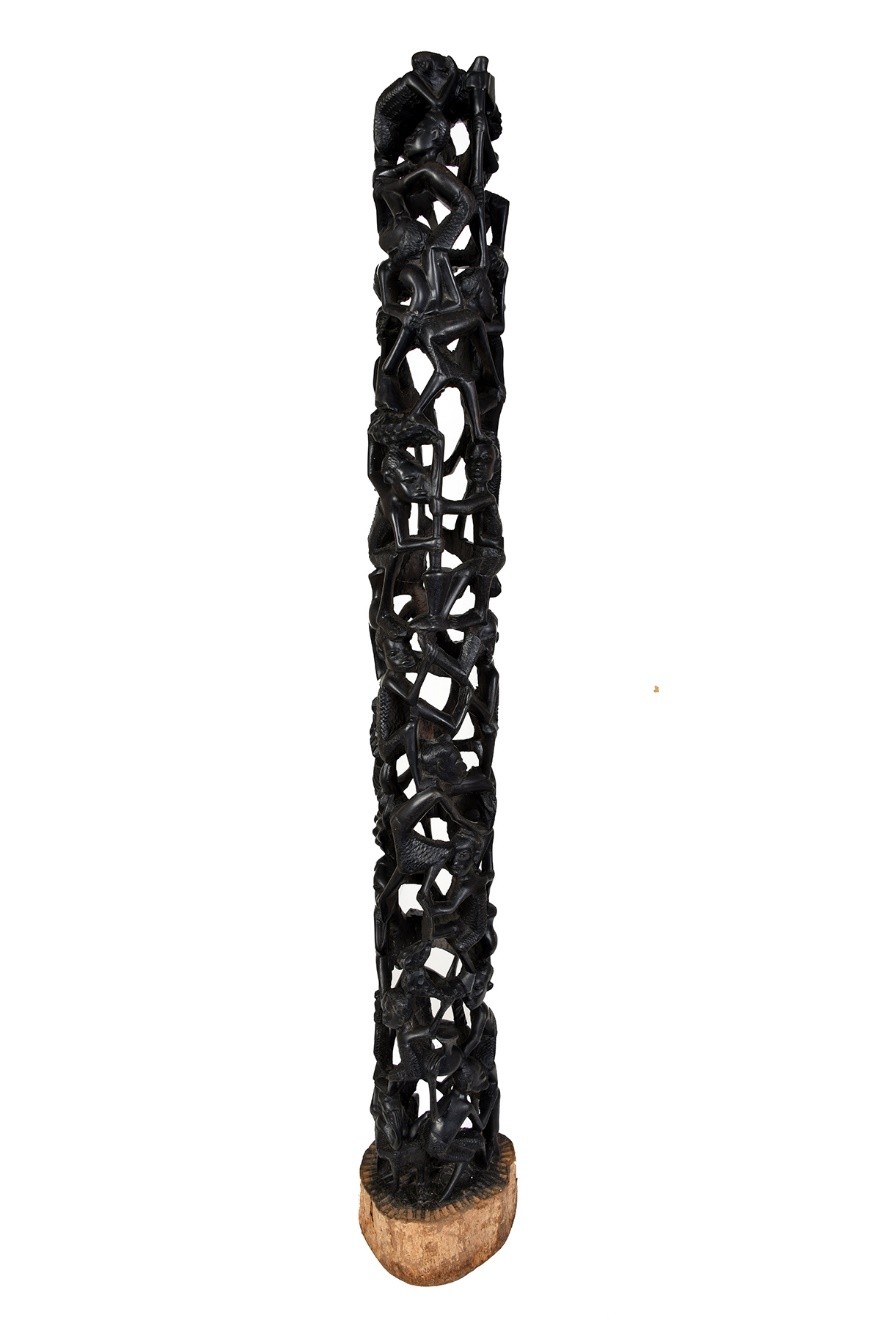
Let me give you a quick example. Take our Makonde Tree of Life Sculpture. This isn’t just a beautiful piece; it’s a powerful symbol of family and community. When you acquire one of these, you’re not just getting a stunning artwork; you’re directly contributing to the Makonde artisans who keep this tradition alive. You’re helping them pass on these intricate carving techniques and powerful narratives to their children. That’s real impact.
How Moshaki is Redefining Sustainability African Art
It’s easy to talk a big game. What matters is action. At Moshaki, we’ve integrated sustainability into every fibre of our operation. We don’t just buy products; we build relationships. We don’t just sell art; we share a vision for a better future, ensuring our impact is positive, from the ground up.
Thoughtful Materials: Beyond the Surface
Our choice of materials is deliberate. We opt for low-impact fabrics in our clothing, and for our art and artefacts, we focus on responsibly sourced woods like kapok and ebony, where their use supports sustainable forestry practices. This isn’t about compromising on quality; it’s about making conscious choices. You get an authentic, durable piece that stands the test of time, knowing it wasn’t at nature’s expense.
Eco-Conscious Production: Crafting with Care
From the carving tools used by an artisan in a Tanzanian village to the finishing touches in our workshop, we push for eco-conscious methods. This includes minimising waste during production, using natural pigments, and reducing our carbon footprint wherever possible. It’s a continuous journey of improvement, and we’re always looking for smarter, greener ways to operate.
Packaging That Doesn’t Cost the Earth
What good is a sustainable product if it arrives wrapped in layers of non-recyclable plastic? We’ve invested in sustainable packaging solutions, using recycled and recyclable materials wherever possible. It’s another small but significant step in ensuring that our commitment to the planet is visible at every touchpoint.
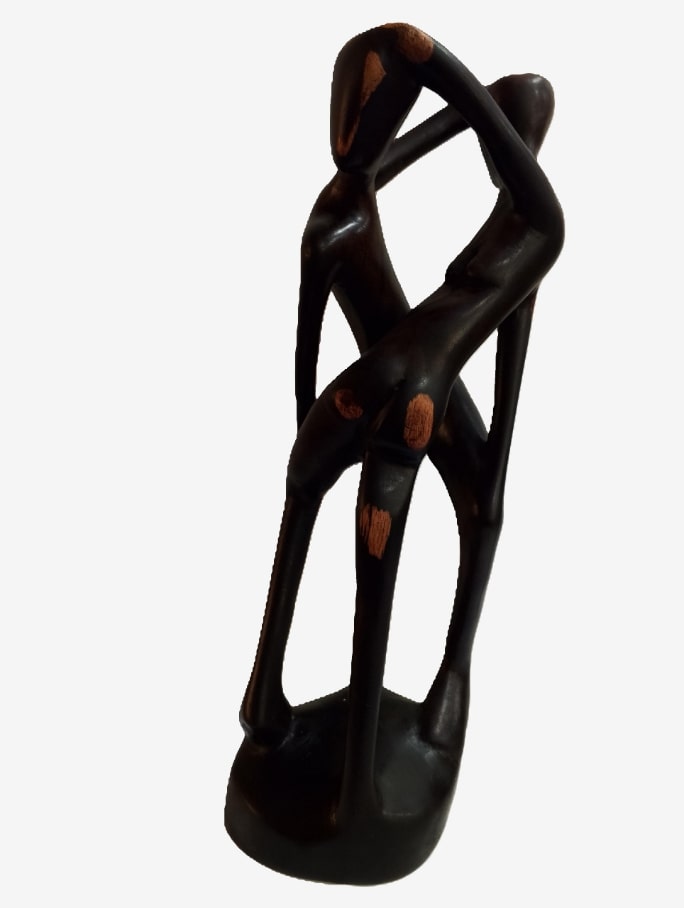
Our artisans are not just craftspeople; they are partners. When you look at a piece like our Hand-Carved African Couple Sculpture, you’re seeing more than just wood; you’re witnessing the enduring love and unity it represents, crafted by someone who is empowered and respected within their community. This isn’t just about preserving techniques; it’s about nurturing the human spirit behind the art.
The Cultural Connection: Protecting Heritage Through Green Practices
African art isn’t just pretty objects; it’s a living archive of history, spirituality, and community. Every mask, every sculpture, every textile holds generations of stories and traditions. For Moshaki, protecting these cultural treasures goes hand-in-hand with our sustainable and ethical practices. You can’t separate the art from its origins, and you certainly can’t separate it from the people who create it.
Artisanal Empowerment: The Heart of Moshaki
Our philosophy is simple: empower the artisans. We believe that by ensuring fair wages and safe working conditions, we enable these talented individuals to continue their craft with dignity. This means they can afford education for their children, access healthcare, and invest in their workshops. It’s a direct lifeline that allows them to pass on their ancestral skills, keeping cultural flames burning bright.
Preserving Traditional Skills: A Legacy for Tomorrow
Many traditional African art forms are at risk of being lost in a rapidly modernising world. By creating a sustainable market for authentic, handcrafted pieces, Moshaki provides a vital platform for these skills to flourish. We encourage the use of time-honoured techniques and natural materials, ensuring that the essence of each art form remains pure and intact. When you support Moshaki, you are not just acquiring art; you’re becoming a patron of cultural heritage.
Ethical Craftsmanship: Integrity in Every Stroke
For us, ethical craftsmanship is about more than just fair treatment. It’s about respecting the artistic process, the stories behind the art, and the spiritual significance some pieces hold. It means saying no to mass production and instead celebrating the unique imperfections and character that only a hand-carved piece can offer. This integrity is what makes each Moshaki piece truly special and deeply meaningful.
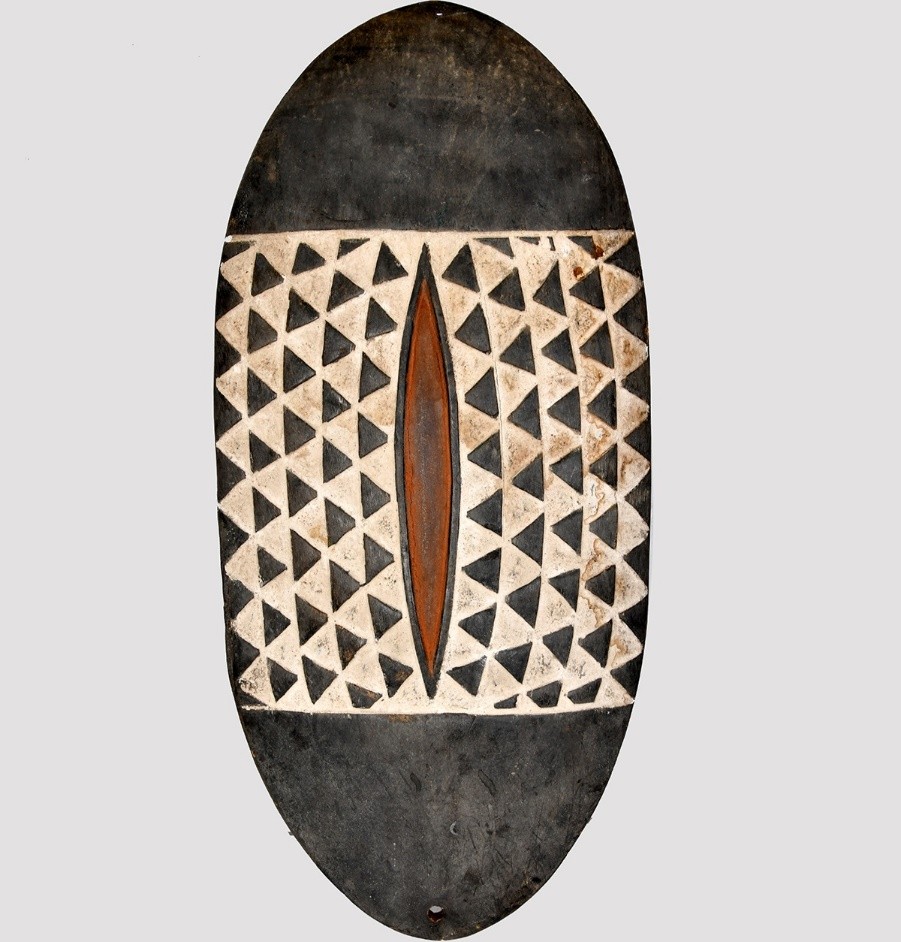
Consider the deep symbolism of an African Tribal Shield. These aren’t just decorative items; they were historically used for protection and as powerful symbols of identity. By supporting their creation through ethical sourcing, we ensure these powerful stories of resilience and heritage continue to be told. We preserve the craft, the history, and the spirit.
Beyond the Buzzwords: Real Impact Stories
Look, anyone can slap “sustainable” on their website. But what does it actually mean on the ground? For Moshaki, it means real people, real families, and real communities seeing tangible benefits. It’s about more than just numbers; it’s about stories of transformation.
I remember visiting a carving community near Dar es Salaam. There was an elder, Mzee Juma, a master carver who’d been creating magnificent pieces for over fifty years. His craft was incredible, but his market was dwindling, and many younger people were leaving the village for city jobs. We partnered with him, guaranteeing fair prices for his work and a consistent order flow. This wasn’t just about buying his carvings; it was about ensuring his knowledge and skill could be passed on. Now, his grandchildren are showing interest, seeing that there’s a viable future in their heritage. That’s impact you can see, touch, and feel.
Our commitment extends beyond just the individual artisan. We invest in community projects, providing resources for things like clean water initiatives and educational programmes. We believe that when the entire community thrives, the art thrives too. It’s a holistic approach to sustainability that looks at the bigger picture.
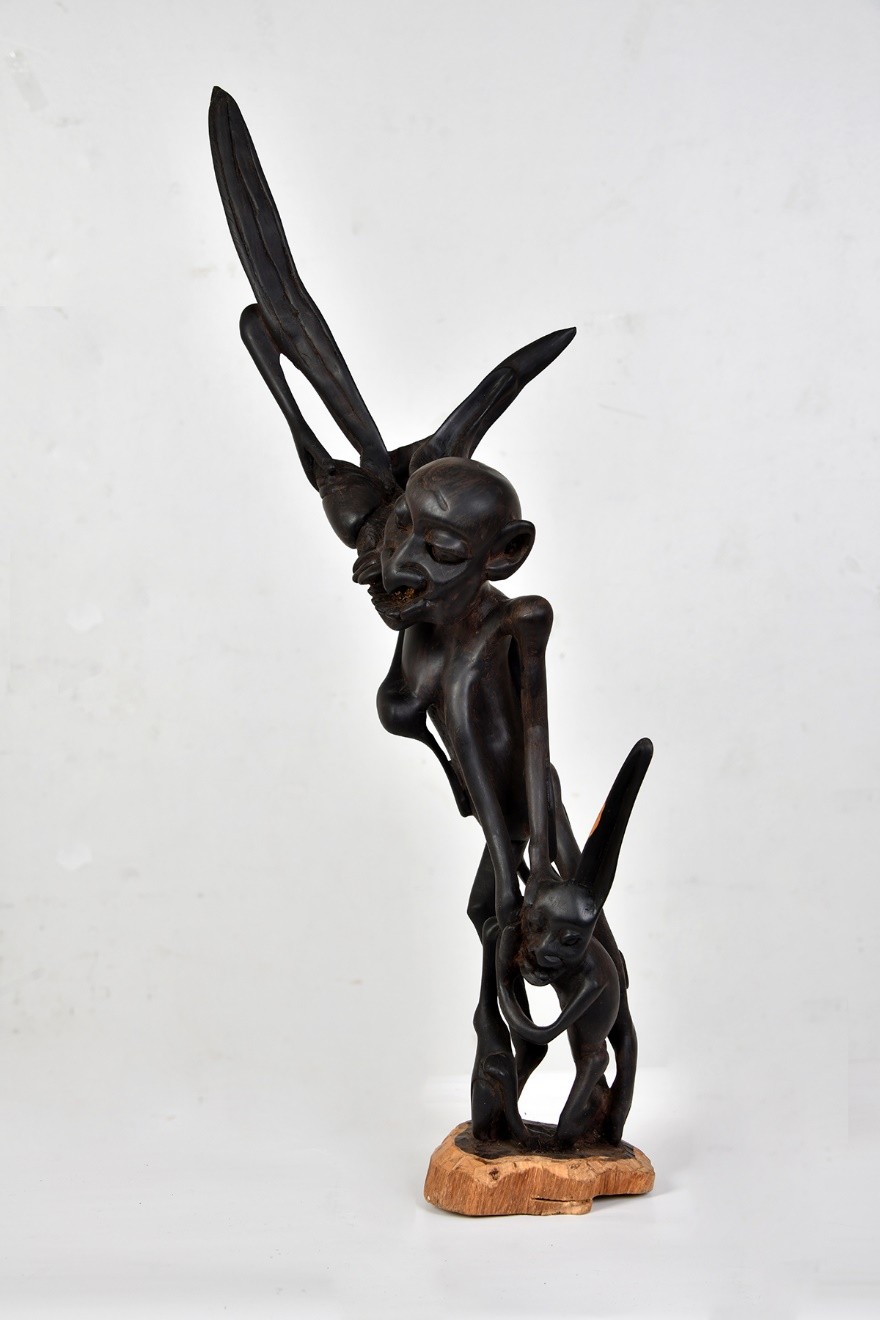
When you acquire a piece like the Hand-Carved African Ebony Wood Sculpture, you’re taking home a piece that embodies strength and endurance. But you’re also part of a larger movement. You’re helping Mzee Juma and countless other artisans like him to continue their invaluable work, ensuring that the rich tapestry of African art endures for generations to come.
FAQs on Sustainability & African Art
Q1: Why is sustainability important in African art?
A: Sustainability in African art is crucial for several reasons: it protects the environment by promoting responsible sourcing of materials (like wood), ensures fair economic practices for artisans and their communities, and crucially, helps preserve ancient cultural traditions and knowledge for future generations. It’s about ensuring the art itself isn’t contributing to negative environmental or social impacts.
Q2: How does Moshaki ensure fair trade practices with its artisans?
A: Moshaki is committed to direct partnerships with artisans, cutting out exploitative middlemen. We agree on fair prices that reflect the skill and time invested in each piece, ensuring artisans receive equitable compensation. We also foster long-term relationships, providing consistent work and investing in community projects, which helps create stable livelihoods and supports the growth of local economies.
Q3: What types of sustainable materials does Moshaki use for its art and products?
A: For our art and artefacts, Moshaki primarily uses sustainably sourced hardwoods like kapok and ebony, ensuring that harvesting practices are responsible and don’t contribute to deforestation. For our clothing line, we prioritise low-impact fabrics. We also use natural pigments and dyes where possible and focus on eco-conscious production methods that minimise waste and environmental harm.
Q4: Can authentic traditional African art still be considered sustainable?
A: Absolutely. In fact, many traditional African art forms are inherently sustainable, relying on locally available natural materials and passed-down techniques that minimise waste. Moshaki supports this by working with artisans who uphold these traditional, eco-friendly practices, proving that authenticity and sustainability are not mutually exclusive but deeply interconnected.
Q5: How can I support sustainable African art and practices?
A: The best way to support sustainable African art is to purchase directly from reputable businesses like Moshaki that prioritise transparency in their sourcing and fair trade practices. Look for certifications where applicable, research the brand’s commitment to environmental and social responsibility, and educate yourself on the origins and cultural significance of the art you buy. Your informed choices make a real difference.
My Takeaway: The Future of Sustainability African Art is Now
So, there you have it. When it comes to Sustainability African Art, Moshaki isn’t just dipping its toes in the water; we’re diving headfirst. We’re building a business where every piece of art doesn’t just look good, but does good. It’s about respecting the past, empowering the present, and safeguarding the future.
I genuinely believe that art has the power to change the world, and for us, that change begins with how we source, how we create, and how we connect. You, as a discerning collector or someone simply seeking to enrich your home, have the power to be part of this change. Choose art that tells a story of craftsmanship, culture, and care for our planet.
Join us in celebrating African heritage responsibly. Explore our collection and discover the beauty of art with purpose. Got questions or want to learn more? Drop us a line.
The Office
Mikocheni Rose Garden Road – Vunjabei, Kinondoni, Dar es Salam
Phone Number
+255 655 220 387
Contact Information
info@moshaki.com
Our Business Hours
Monday – Friday: 8am – 4pm
Saturday – Sunday: 9am – 5pm
Useful links: https://moshaki.com/arts-artifacts/