

Modern African Fashion & Trends: Shaping the Future of Global Style
Let’s grab a coffee, or perhaps a chai, and have a chat about something truly exciting: the incredible rise of Modern African Fashion. For too long, African styles were either overlooked or relegated to ‘costume’ status by the global fashion elite. But let me tell you, that narrative has shifted dramatically. What we’re seeing today isn’t just a trend; it’s a powerful movement, a vibrant explosion of creativity that is genuinely shaping the future of global style. From the bustling markets of Dar es Salaam to the runways of Paris, African design is finally taking its rightful place, demanding attention, respect, and a permanent spot in your wardrobe.
Here at Moshaki, we’ve always known the immense value and beauty of African heritage. We’ve been on the ground, working with skilled artisans, creating and curating pieces that tell a story. This isn’t just about selling clothes; it’s about celebrating a rich cultural tapestry and showcasing how these timeless designs are being reimagined for contemporary living. If you’re not already paying attention, you’re missing out on some of the most innovative and ethically conscious fashion happening right now.
What Defines Modern African Fashion Today?
When I talk about modern African fashion, I’m not just referring to traditional garments. While heritage is its bedrock, the contemporary scene is about a dynamic fusion. Think of it as a conversation between generations, a dialogue between ancient techniques and cutting-edge design. It’s vibrant, it’s bold, and it’s utterly unapologetic.
At its core, modern African fashion is defined by:
- Vibrant Storytelling through Fabric: African prints, like Kitenge and Ankara, are more than just patterns; they’re visual narratives. Each motif, each colour combination, often carries deep cultural meaning, history, or a proverb. When you wear these pieces, you’re not just wearing a dress; you’re wearing a piece of art that speaks volumes.
- Innovative Silhouettes: Forget the old stereotypes. Today’s African designers are masterfully blending traditional cuts with global trends. We’re seeing everything from sharp, tailored suits in wax print to flowing maxi dresses that exude minimalist elegance. It’s about taking inspiration from diverse sources and filtering it through a uniquely African lens.
- Sustainable and Ethical Practices: This is huge. Many African fashion brands, including Moshaki, are built on principles of fair trade, supporting local artisans, and using sustainable, low-impact fabrics. It’s fashion with purpose, where every purchase directly contributes to community development and preserves traditional craftsmanship.
The Power of Print: More Than Just Fabric
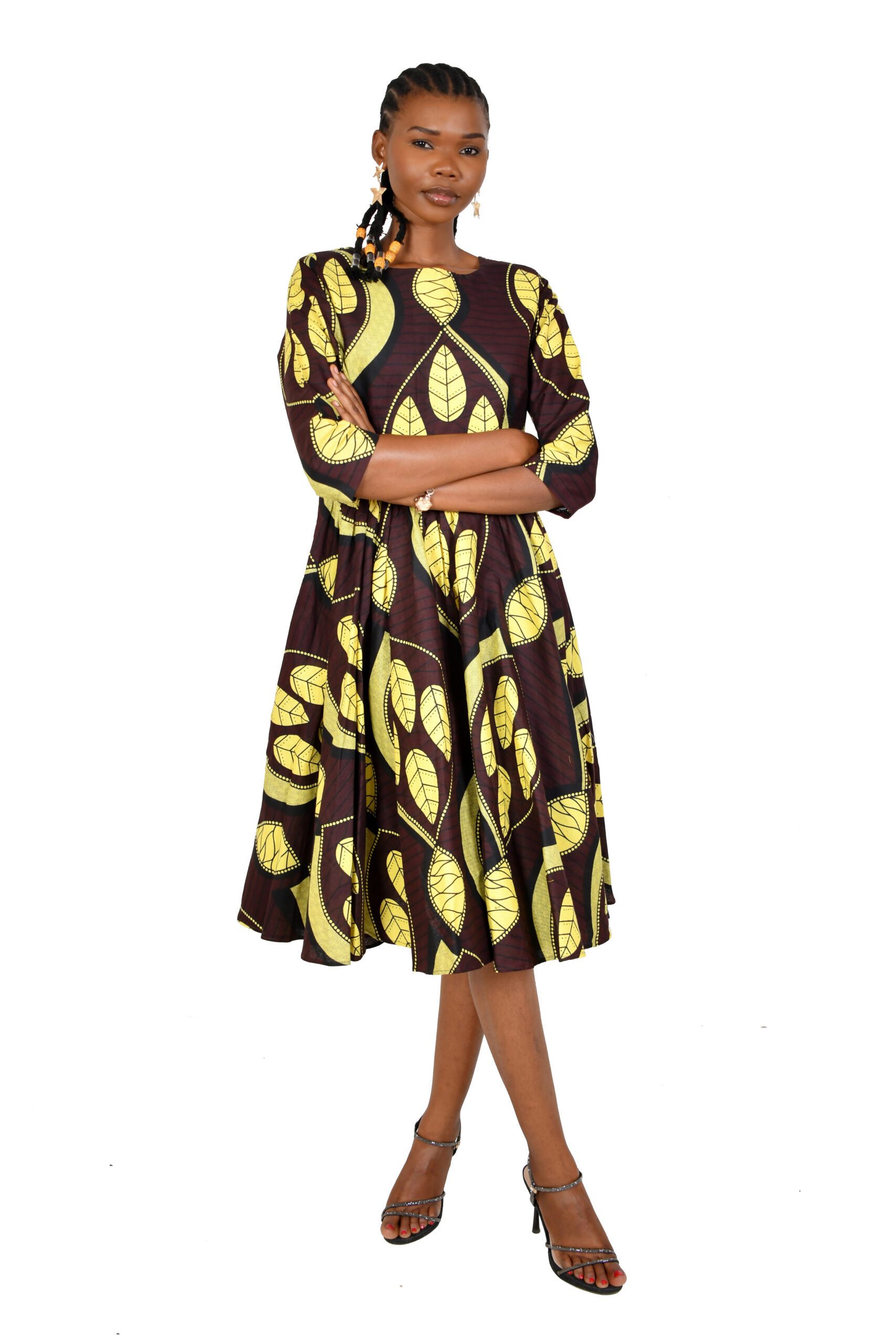
Let’s talk about those prints for a moment. They’re not just visually striking; they’re incredibly potent. Take Kitenge, for instance. Known for its bold geometric patterns and vivid colours, Kitenge fabric is a staple in East African culture. It’s used for everything from celebratory attire to everyday wear, each pattern often holding significance. When our artisans craft a Three Quarter Sleeve Knee-Length Kitenge Dress, they’re not just cutting and sewing; they’re weaving cultural heritage into every stitch. It’s a direct link to the stories and traditions of Tanzania, brought to life in a wearable piece of art.
Who Are the Visionary Designers Pushing Boundaries?
While I can’t name every incredible designer out there (the list is simply too long and ever-growing!), I can tell you about the philosophy driving them. These aren’t just fashion designers; they’re cultural architects. They’re individuals who understand the profound legacy they carry and are determined to present it to the world in a fresh, relevant way.
What sets these visionary designers apart, and indeed, what underpins Moshaki’s mission, is a deep commitment to:
- Authenticity: They honour the roots of African design, avoiding cultural appropriation by collaborating with local communities and drawing from genuine heritage.
- Innovation: They experiment with new techniques, blend traditional motifs with contemporary cuts, and aren’t afraid to challenge conventional fashion norms.
- Sustainability and Social Responsibility: This is non-negotiable for many. It’s about creating beautiful clothing that doesn’t harm the planet or exploit people. At Moshaki, every piece promotes local craftsmanship, fair trade practices, and the use of sustainable materials. This is design with purpose for those who value quality, heritage, and style. We prioritise low-impact fabrics, sustainable packaging, and eco-conscious production methods. We work with artisans to ensure fair wages, safe conditions, and lasting community investment.
From Local Craft to Global Runway: How is African Fashion Influencing the World?
The global fashion landscape is unequivocally richer for the influence of African design. We’re seeing elements of Afrocentric style everywhere – from major design houses to high-street brands. But here’s the kicker: it’s not just about aesthetics anymore. The world is finally recognising the depth, the narrative, and the ethical backbone of African fashion.
This influence manifests in several ways:
- Cultural Fusion: Designers worldwide are incorporating African prints, silhouettes, and artisanal techniques into their collections, leading to exciting new hybrid styles.
- Artisanal Appreciation: There’s a growing appreciation for handcrafted artefacts and slow fashion. Consumers are seeking unique, meaningful pieces over mass-produced items, which plays directly into the strengths of African craftsmanship.
- Sustainability Spotlight: With the fashion industry facing immense pressure to be more eco-conscious, the inherent sustainability of many African practices (e.g., natural dyes, handweaving, durable fabrics) is setting a precedent.
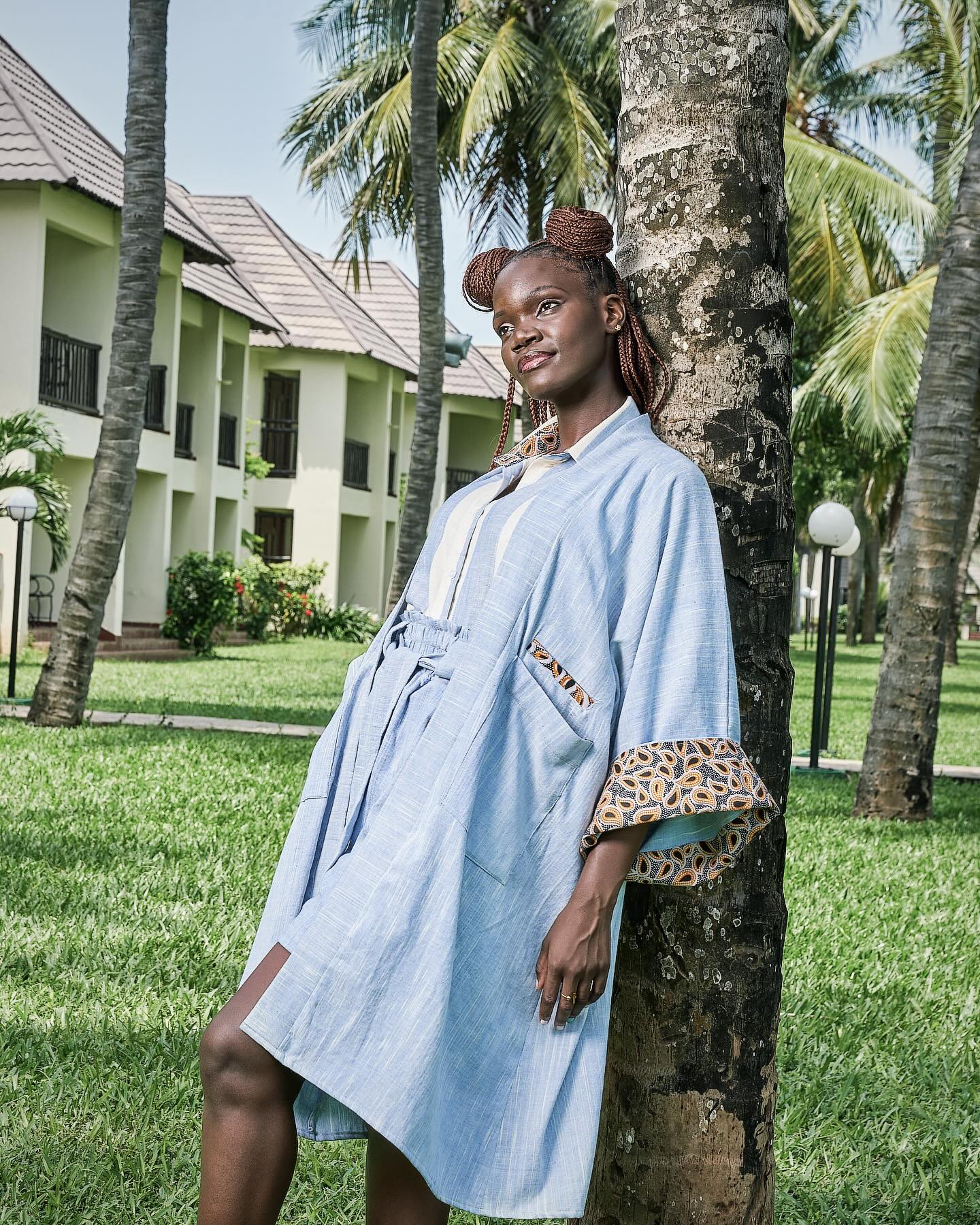
Imagine effortlessly layering a beautifully made Handwoven Kimono with Kitenge Trim over a simple ensemble. That’s cultural sophistication right there. It’s a statement of style and a nod to global awareness. These aren’t just clothes; they’re conversation starters, wearable stories connecting continents.
Why Should You Embrace Modern African Styles?
Why bother? Simple: because it’s good business for your wardrobe, your personal brand, and the world. Seriously. In a sea of fast fashion conformity, choosing modern African styles allows you to:
- Stand Out: These are not your average high-street pieces. Each garment, often handmade and featuring unique prints, ensures you possess something distinctive and authentic.
- Invest in Quality: At Moshaki, we focus on quality and craftsmanship. Every stitch, carving, and brushstroke reflects heritage, artistry, and care beyond trends. These pieces are made to last, becoming cherished parts of your wardrobe for years to come.
- Support a Movement: By choosing ethically produced African fashion, you’re directly contributing to fair wages, safe working conditions, and sustainable community investment in Africa. You’re not just buying a product; you’re backing a powerful ecosystem of creativity and positive impact.
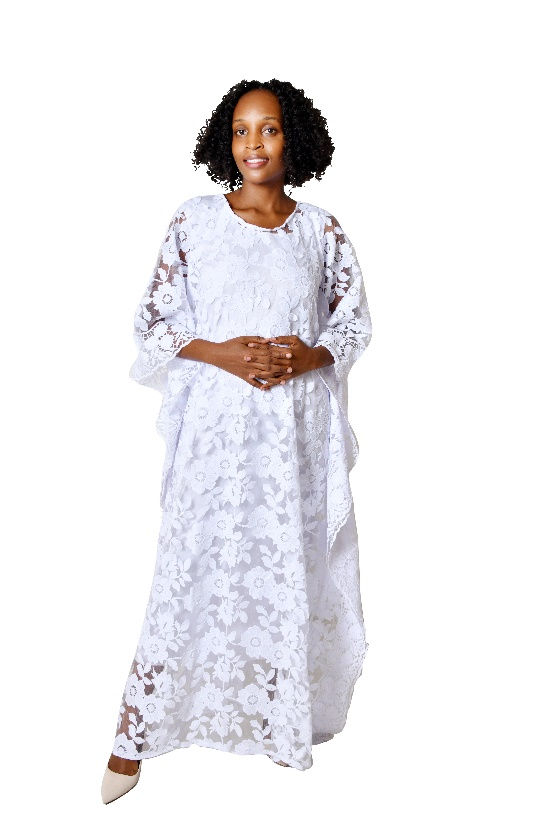
- Embrace a Rich Narrative: Each piece has a story. Whether it’s the symbolism in a print or the hands that wove the fabric, you’re carrying a piece of cultural history with you. For those special moments, a Traditional African Lace Gown isn’t just an outfit; it’s a statement of elegance, culture, and pride.
Beyond Trends: Investing in Timeless Afrocentric Pieces
In a world obsessed with fleeting trends, the true value lies in investing in pieces that transcend seasons. Modern African fashion, particularly when crafted with an eye for quality and enduring design, offers just that. We’re talking about items that become staples, that you reach for time and again because they feel good, look good, and carry a deeper meaning.
Consider a versatile piece like our Linen Pocket Dress. Made from breathable, natural linen and ethically handmade in Tanzania, it’s a perfect example of how minimalist design can meet Afro-modern elegance. It’s comfortable, sustainable, and effortlessly chic – a smart choice for the conscious modern woman who appreciates longevity over fleeting fads.

How Can I Integrate Modern African Fashion into My Wardrobe?
Thinking about adding some of this magic to your own style? It’s easier than you might think. You don’t need to overhaul your entire wardrobe overnight. Here’s my no-nonsense advice:
- Start Small: Begin with accessories. A vibrant headwrap, a bold statement necklace, or a clutch bag featuring an African print can instantly elevate an otherwise simple outfit. It’s a low-commitment, high-impact move.
- Mix and Match: Don’t be afraid to pair a stunning Kitenge dress with your favourite denim jacket or a neutral cardigan. African prints blend surprisingly well with solid colours and classic Western pieces, creating a truly unique look that’s all your own.
- Embrace Versatility: Many pieces are designed for adaptability. A maxi dress can be dressed up with heels for an evening out or paired with sandals for a casual weekend look. A kimono can be loungewear at home, a beach cover-up, or a stylish outer layer for a brunch.
- Focus on Quality: As always, buy the best you can afford. Quality pieces, especially those handmade with care, will last longer and look better. They’re an investment, not a disposable item.
Ready to explore? You can easily explore our collection of unique African-inspired clothing to find pieces that resonate with your personal style.
Frequently Asked Questions About Modern African Fashion
What is Kitenge fabric?
Kitenge is a vibrant East African cotton fabric, similar to West African Ankara or wax print. It’s characterised by its bold, colourful patterns and is often used for clothing, headwraps, and accessories. Each pattern can carry specific cultural meanings or stories.
Is modern African fashion sustainable?
Absolutely. Many modern African fashion brands, including Moshaki, prioritise sustainability. This often involves using locally sourced, natural fabrics like cotton and linen, employing ethical production practices that support local artisans with fair wages, and focusing on durable, long-lasting designs to combat fast fashion waste.
How do I care for African print clothing?
Most African print garments made from cotton can be machine washed cold with similar colours or hand washed gently to preserve their vibrant prints. It’s usually best to air dry and iron on a low heat setting. Always check the specific care instructions provided with your garment.
What are some popular African fashion trends right now?
Current trends in modern African fashion include:
- Afro-minimalism: Clean, simple silhouettes in rich African fabrics.
- Gender-neutral styles: Blurring traditional lines with versatile garments.
- Upcycling and patchwork: Creative use of existing materials for unique designs.
- Statement outerwear: Bold coats and kimonos in African prints.
- Cultural fusion: Blending African elements with Western or Asian aesthetics.
This dynamic interplay ensures there’s always something fresh and exciting to discover in the world of African style.
So, there you have it. Modern African Fashion isn’t just a fleeting moment; it’s a powerful, enduring force that’s confidently striding onto the global stage. It’s about more than just clothes; it’s about heritage, craftsmanship, sustainability, and an undeniable sense of style that refuses to be ignored. It’s about empowering communities and celebrating a culture that has so much to offer the world.
At Moshaki, we’re proud to be part of this journey, bringing you pieces that embody quality, heritage, and style. We believe in design with purpose, connecting you to skilled artisans and the rich cultural heritage of Africa.
Thank you for joining me for this chat. Now, go forth and embrace the vibrant future of fashion!
Connect with Moshaki
The Office: Mikocheni Rose Garden Road – Vunjabei, Kinondoni, Dar es Salam
Phone Number: +255 655 220 387
Contact Information: info@moshaki.com
Our Business Hours:
- Monday – Friday: 8am – 4pm
- Saturday – Sunday: 9am – 5pm
Useful links: Moshaki Clothing Collection