
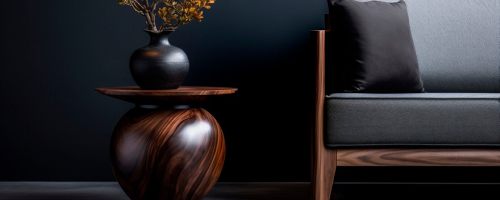
Alright, let’s talk about something truly special: African Wall Art. Forget bland, mass-produced decor. If you’re serious about creating a space with soul, impact, and a story, you need to lean into the unparalleled allure of African art. It’s not just about hanging something on a wall; it’s about inviting history, culture, and a vibrant energy right into your home. And trust me, once you experience it, there’s no going back.
I’ve seen countless homes transformed from ‘just a house’ to a ‘curated sanctuary’ simply by adding a few authentic pieces. It’s like injecting a shot of pure, unadulterated character directly into your living space. We’re talking about pieces that have been touched by human hands, imbued with centuries of tradition, and speak a language far richer than any trend.
Why Does African Wall Art Pack Such a Punch in Modern Interiors?
Look, the modern home can sometimes feel a bit… sterile, can’t it? Clean lines, minimalist palettes – it’s all good, but sometimes you crave something that grounds the space, adds warmth, and tells a story that isn’t just about flatpack furniture. That’s where African wall art comes in. It’s the perfect antidote to the mundane, the ultimate statement piece that screams “I know good taste.”
These pieces aren’t just pretty. They carry an inherent depth. Think about it: a mask isn’t just a mask; it’s a representation of an ancestral spirit. A painting isn’t just colours on a canvas; it’s a narrative, a celebration of community, or a window into a belief system. When you bring that into your home, you’re not just decorating; you’re curating a global experience. You’re showing that you value craftsmanship, history, and a world beyond your doorstep.
What Makes African Wall Art So Unique?
- Authenticity: Each piece is handcrafted, often using traditional techniques passed down through generations. You won’t find mass production here. This ensures that every carving, every painting, every textile has its own unique character. It’s truly one of a kind.
- Storytelling: Every curve, every colour, every symbol has meaning. These aren’t just decorative items; they’re historical documents, spiritual guides, and cultural narratives. You’re buying into a rich heritage, not just a pretty object.
- Versatility: From minimalist abstract sculptures to vibrant, intricate patterns, African art seamlessly integrates with diverse design aesthetics. It can soften an industrial space, add flair to a bohemian abode, or provide a striking contrast in a contemporary setting.
- Tactile Beauty: The materials themselves are often natural – rich hardwoods, earthy pigments, woven fibres. These textures add an organic, grounding feel to any room, making it feel more lived-in and inviting.
How Can You Incorporate African Wall Art Into Your Home?
This isn’t rocket science, but there are a few principles that can elevate your game. Don’t just stick it anywhere. Make it intentional. Think about how these pieces interact with your existing decor and what kind of statement you want to make.
1. The Statement Piece: Go Big or Go Home
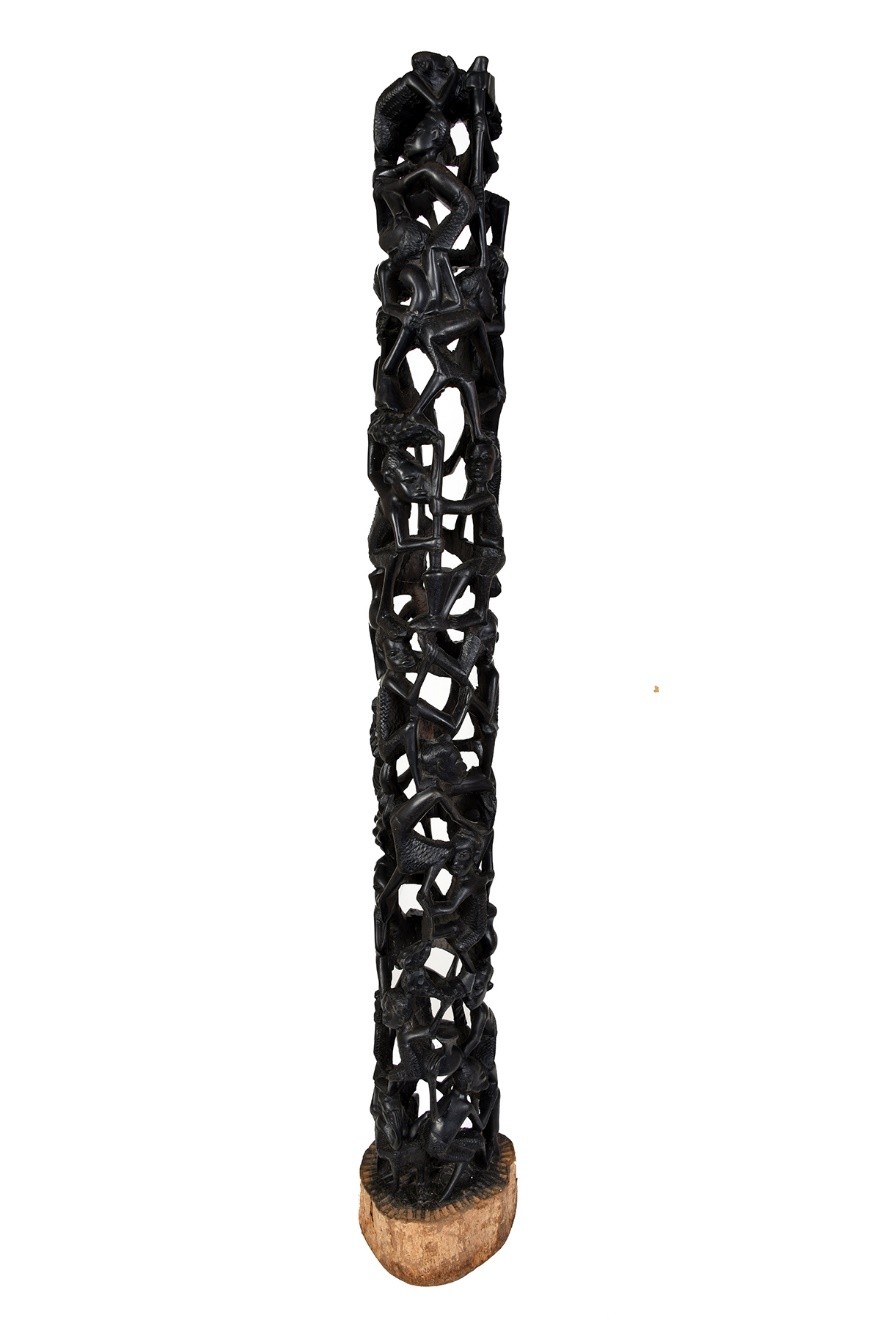
Sometimes, one large, commanding piece is all you need to transform a wall. Imagine a magnificent Makonde Tree of Life sculpture as the focal point in your living room. The intricate details of interwoven figures would draw the eye immediately, sparking conversation and acting as a symbol of unity and generational strength. Or perhaps a bold Luba-inspired tribal mask, with its strong lines and rich pigments, taking pride of place above your fireplace. These pieces demand attention, and rightly so.
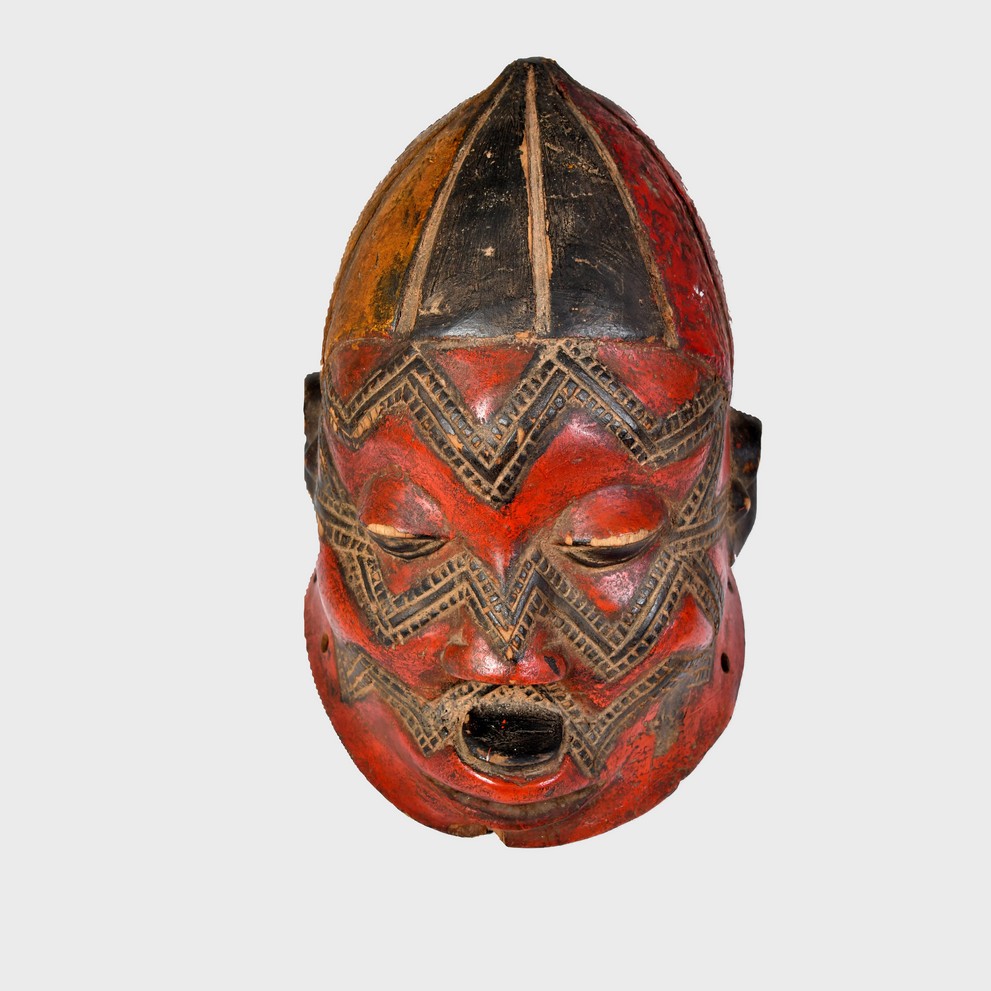
The key here is placement. Ensure it has enough breathing room around it. This isn’t about clutter; it’s about impact. Let the art speak for itself. Seriously, don’t overthink it. Find a wall that feels a bit empty, a bit ‘lacking’, and give it the hero it deserves.
2. Curated Gallery Walls: A Story in Every Frame
If one piece feels too singular, consider a gallery wall. But don’t just throw things up there. Create a narrative. Mix different textures and forms. Perhaps a collection of smaller hand-carved African masks alongside a few abstract paintings or woven textiles. This allows for a deeper exploration of themes and regions. You’re building a visual story, a collection of insights into diverse cultures.
When arranging, consider balance. Not necessarily symmetry, but visual weight. Place larger items strategically, and fill in with smaller, complementary pieces. It’s like composing a symphony; each instrument has its place, but together they create something harmonious and powerful. For instance, a trio of wooden animal figurines can add a playful, rustic touch to a more formal arrangement.
3. Beyond the Wall: Sculptures as Three-Dimensional Statements
Let’s not limit ourselves to flat surfaces. Many pieces of African art are sculptures designed to be admired from all angles. A striking “Man in Thought” sculpture on a console table or a pair of abstract family figures on a mantelpiece can bring a tactile and grounded presence to any room. These aren’t just decorative; they add a three-dimensional depth that paintings simply can’t replicate.

Consider the interplay of light and shadow on these carvings. The way the light catches the intricate details of an ebony wood sculpture can change throughout the day, offering a dynamic visual experience. It’s an investment in art that truly lives and breathes with your home.
My Take: The Unseen Benefits of African Art
Alright, let’s get real. Beyond the aesthetics, beyond the ‘look’ you’re trying to achieve, there’s a deeper value to African wall art. I’m not talking about some airy-fairy, feel-good stuff. I’m talking about actual, tangible benefits that impact your daily life.
When you fill your home with pieces that resonate, that have a history, and that tell a story, your home becomes more than just a place to sleep. It becomes a reflection of who you are, your values, and your appreciation for global culture. It becomes a source of inspiration. Every time you walk past that magnificent tribal mask or that serene sculpture, you’re reminded of something bigger than yourself.
And let’s be frank, in a world saturated with generic, disposable items, choosing authentic African art is a statement of defiance. It says: “I value quality. I value heritage. I value art that makes you *feel* something.” It’s a smart move, not just for your decor, but for your soul.
We, at Moshaki, are all about this. We believe in connecting you to skilled artisans and our rich cultural heritage. Every piece we curate, whether it’s clothing, handcrafted artefacts, or décor, is about design with purpose. We champion local craftsmanship, fair trade practices, and sustainable materials. It’s quality, heritage, and style, all rolled into one.
Frequently Asked Questions About African Wall Art
Q1: What materials are commonly used in African wall art?
Traditionally, African wall art primarily uses natural and locally sourced materials. You’ll often find pieces crafted from a variety of hardwoods like ebony, mahogany, or kapok. Other common materials include natural pigments (earthy reds, blacks, whites), cowrie shells, beads, woven grasses, leather, and sometimes even recycled metals. The beauty lies in the use of these raw, organic elements.
Q2: How do I choose the right African wall art for my space?
Start by considering your existing decor. Do you have a minimalist aesthetic? An abstract ebony sculpture might be perfect. More bohemian? Look for pieces with vibrant colours and intricate patterns, or perhaps a striking textile. Think about the mood you want to create. A fierce mask can add drama, while a smooth, abstract figure brings a sense of calm. Most importantly, choose pieces that genuinely speak to you and your personal taste – art is personal, after all.
Q3: Is African wall art suitable for all interior design styles?
Absolutely! The versatility of African art is one of its greatest strengths. Its organic textures, rich colours, and diverse forms allow it to blend seamlessly into almost any setting. In modern homes, it provides warmth and cultural contrast. In traditional spaces, it reinforces a sense of history and classic elegance. It’s all about how you integrate it. Don’t be afraid to mix and match; often, the most interesting spaces are those that combine elements from different cultures and eras.
Q4: How do I care for my African wooden wall art?
Most wooden African wall art is quite resilient, but a few simple care tips will ensure its longevity. Generally, you should:
- Dust gently with a soft, dry cloth regularly.
- Avoid direct sunlight, which can fade pigments and cause wood to crack over time.
- Keep it away from extreme changes in temperature or humidity.
- For polished wood, a small amount of natural beeswax or wood oil can be applied occasionally to maintain its sheen. Always test on an inconspicuous area first.
Q5: Where can I find authentic African wall art?
To ensure authenticity and support fair trade, it’s best to purchase from reputable galleries, cultural centres, or online platforms that work directly with African artisans. At Moshaki, for example, we curate original art and handcrafted artefacts directly from skilled artisans. This not only guarantees the authenticity of your piece but also ensures that the artists receive fair compensation for their incredible work. Check out our collection at moshaki.com/arts-artifacts/.
Ready to Elevate Your Space?
So, there you have it. If you’re looking to inject some serious character, cultural depth, and undeniable style into your home, African wall art is your secret weapon. It’s more than just decor; it’s a statement, a conversation starter, and a tangible connection to a rich, vibrant heritage. Don’t settle for ordinary when you can have extraordinary.
Take a look at what we offer. We’re Moshaki, and we’re here to help you bring these timeless pieces into your life, ensuring every stitch, carving, and brushstroke reflects artistry, care, and a story waiting to be told.
Contact Us:
The Office
Mikocheni Rose Garden Road – Vunjabei, Kinondoni, Dar es Salam
Phone Number
+255 655 220 387
Contact Information
info@moshaki.com
Our Business Hours
Monday – Friday: 8am – 4pm
Saturday – Sunday: 9am – 5pm