

Alright, let’s talk about something truly special: Sustainable African Art for your home. If you’re anything like me, you want pieces that don’t just fill a space but tell a story, hold deep meaning, and do some good in the world. This isn’t about buying mass-produced decor; it’s about conscious collecting, making choices that benefit both the artist and the planet. At Moshaki, we’re all about celebrating timeless design and African heritage, curating original art and handcrafted artefacts that enrich contemporary living. Every piece connects you to skilled artisans and our rich cultural past, all while championing fair trade and eco-conscious practices. Ready to transform your space with purpose?

Why Choose Sustainable African Art for Your Home?
Look, anyone can buy a generic print or a factory-made trinket. But you’re not “anyone.” You’re someone who appreciates depth, authenticity, and impact. When you invest in sustainable African art, you’re doing more than just decorating your walls or shelves; you’re making a statement. You’re saying no to disposable culture and yes to craftsmanship that endures, stories that resonate, and practices that uplift.
Think about it. Each piece of truly authentic African art has been crafted by hand, often using techniques passed down through generations. It carries the energy of its creator, the traditions of their community, and the spirit of their environment. This isn’t just decor; it’s an heirloom in the making, a conversation starter that offers a window into another culture. We at Moshaki believe in design with purpose, ensuring every stitch, carving, and brushstroke reflects heritage, artistry, and care beyond fleeting trends. Choosing these pieces means you’re not just acquiring beauty; you’re becoming part of a positive cycle.
What is Sustainable African Art, Really?
Let’s cut through the noise. “Sustainable” isn’t just a buzzword here; it’s a commitment. For us, sustainable African art means a few core things:
- Ethical Sourcing: The materials used are harvested responsibly, without harming ecosystems. We prioritise low-impact fabrics, sustainable packaging, and eco-conscious production methods in our wider operations.
- Fair Trade Practices: The artisans who create these masterpieces are paid fairly for their incredible skill and labour. This isn’t charity; it’s equitable partnership. We work with artisans to ensure fair wages, safe conditions, and lasting community investment.
- Preservation of Craft: Supporting these artists helps keep traditional techniques alive, preventing invaluable cultural knowledge from being lost.
- Community Empowerment: Your purchase often directly supports communities, providing stable income, education, and opportunities.
It’s a virtuous circle. You get a unique, soulful piece of art, and in return, you contribute to a system that respects people, culture, and the planet. It’s a win-win, and frankly, anything less just isn’t worth your time or money.
What Makes African Art Truly Sustainable?
When we talk about sustainability in African art, it’s not just about what’s *not* being done (like deforestation or exploitation). It’s about what *is* being done – a deliberate, ingrained practice that often predates the Western concept of “sustainability.”
Traditional Materials and Techniques
African artisans have always worked with what nature provides, often with deep respect for their environment. We’re talking about:
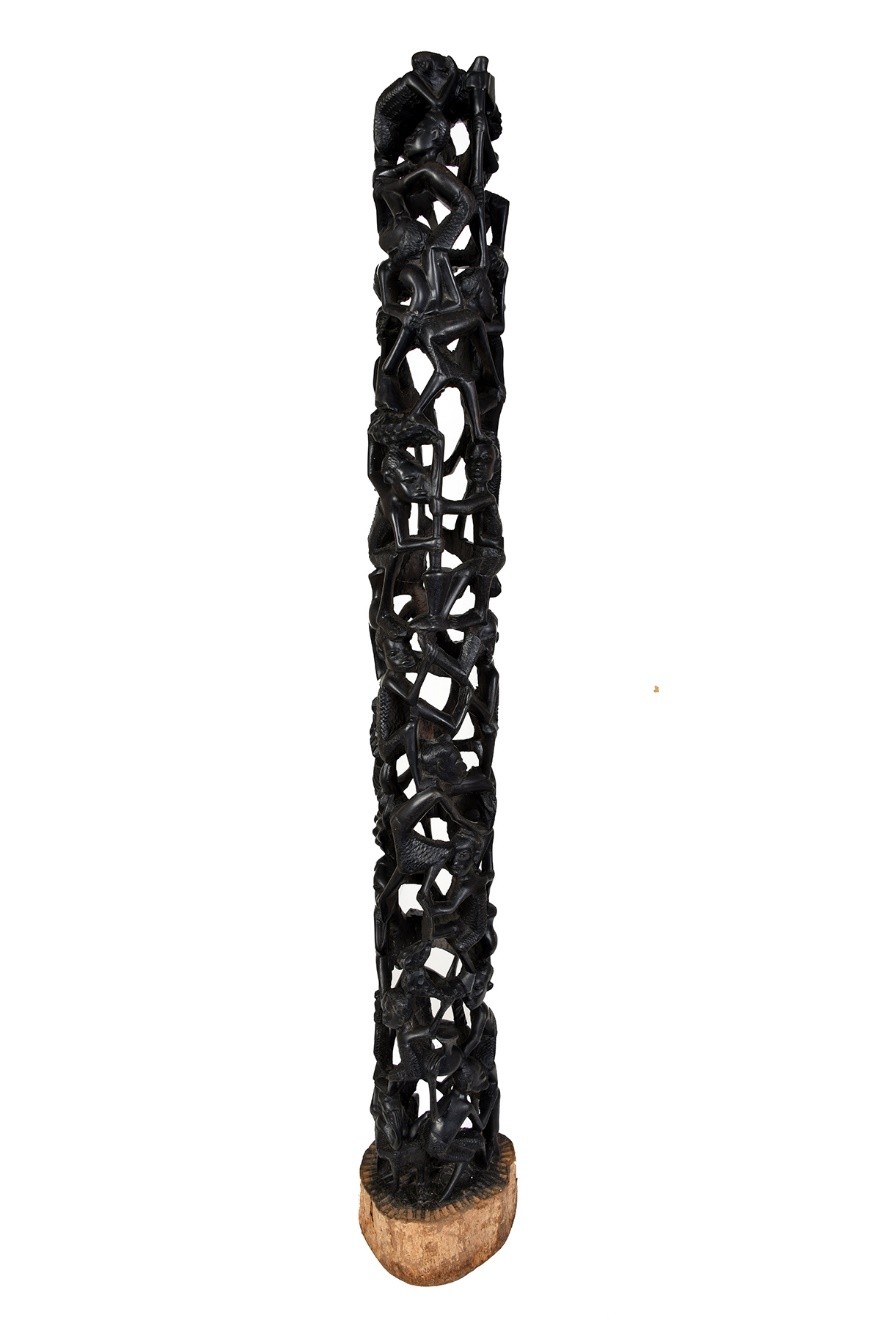
- Locally Sourced Wood: Hardwoods like ebony (Mpingo) or kapok, often from managed forests or naturally fallen trees. This minimises the carbon footprint of transport and supports local ecosystems rather than depleting them. Take, for example, our Hand-Carved African Ebony Wood Sculpture. These pieces are not just beautiful, but represent a conscious connection to natural resources.
- Natural Pigments and Dyes: Colours derived from plants, minerals, and earth. No harsh chemicals, no toxic runoff. This is art that breathes with nature.
- Recycled & Upcycled Elements: Many pieces creatively incorporate found objects, repurposing materials that might otherwise go to waste. Think of intricate beadwork from repurposed glass, or metal sculptures forged from scrap.
The beauty of this approach is that it’s inherently resource-efficient. There’s no sprawling factory, no massive waste. It’s often one artisan, one tool, and one piece of material, transformed by skill and vision. This is the bedrock of true eco-consciousness.
Fair Trade and Community Impact
Sustainability isn’t just ecological; it’s also social. At Moshaki, we’re deeply committed to social responsibility. We work directly with artisans, fostering relationships built on respect and fairness. This means:
- Fair Wages: Artisans receive proper compensation for their time, skill, and cultural expertise. This isn’t a token payment; it’s a living wage that supports families and communities.
- Safe Working Conditions: We ensure that the environments where these incredible pieces are made are safe and respectful.
- Empowerment: By creating a direct market for their work, we empower artisans to continue their craft, develop their skills, and invest in their futures. It’s about building generational wealth and stability, not just selling a product.
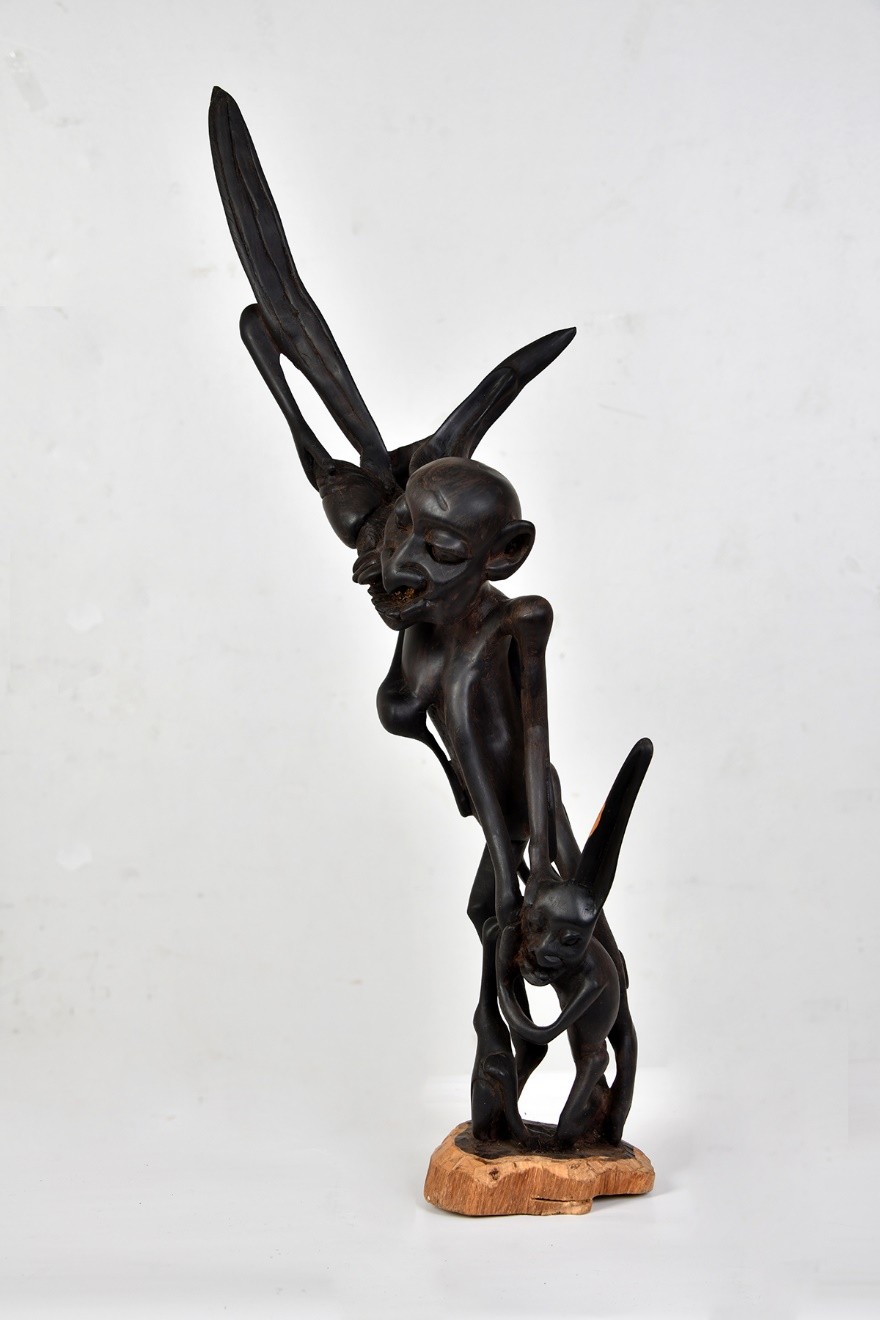
When you acquire a piece from us, like these symbolic Songye-inspired fertility figures, you’re not just getting a beautiful object. You’re part of a story that travels from the artisan’s hands, through Moshaki’s commitment to ethical trade, right into your home. It’s a powerful connection.
How to Identify and Collect Sustainable African Art Pieces?
So, you’re on board. You want to build a collection that speaks volumes, not just visually, but ethically. Great. But how do you actually do it? Here’s a no-nonsense guide to becoming an eco-conscious collector:
- Demand Transparency and Provenance: Always ask where the art comes from. Who made it? What materials were used? How were the artisans compensated? Reputable sources, like Moshaki, will have these answers readily available. If a seller is vague, walk away.
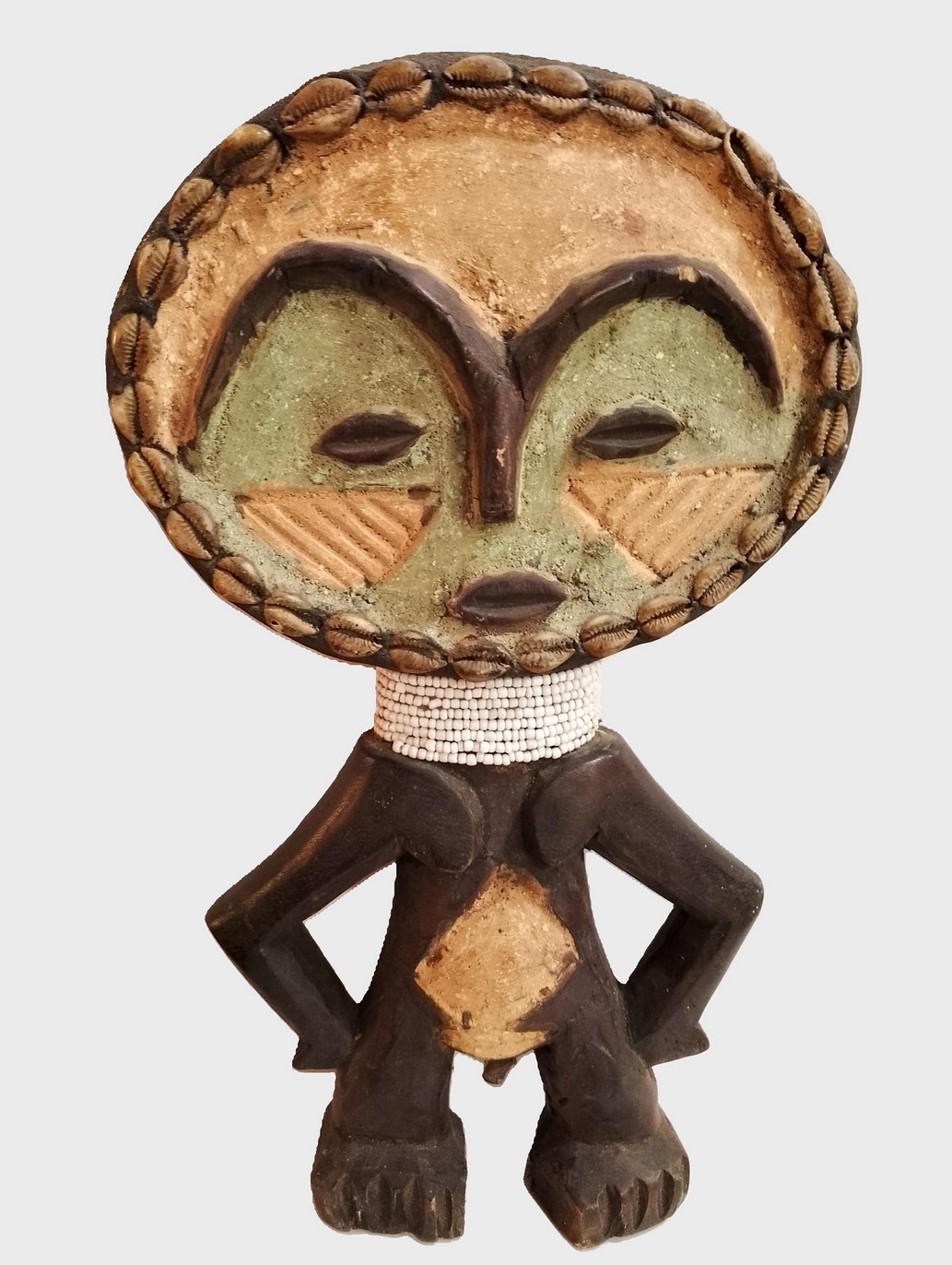
- Look for Natural, Locally Sourced Materials: Opt for pieces made from wood, natural fibres, clay, or recycled metals. These are typically more sustainable than items with synthetic components or materials sourced from unsustainable practices. Our Luba-inspired Heritage Tribal Mask, for instance, is hand-carved from hardwood and uses natural pigments.
- Prioritise Handcraft Over Mass Production: The very act of hand-carving or weaving means less industrial impact. It’s slower, more intentional, and generally leaves a smaller environmental footprint.
- Seek Out Artisan Stories: Does the piece come with information about the artist or their community? This connection adds immense value and assures you that you’re supporting real people.
- Research the Seller: Are they known for ethical practices? Do they clearly state their commitment to sustainability and fair trade? A little digging goes a long long way.
It’s not complicated. It’s about being intentional. Just like you wouldn’t buy food without knowing its origin, don’t buy art without knowing its story.
Bringing Sustainable African Art into Your Space: Practical Tips
Now that you know what to look for, let’s talk about making these incredible pieces sing in your home. African art is incredibly versatile and can elevate any interior, from minimalist modern to rustic charm.
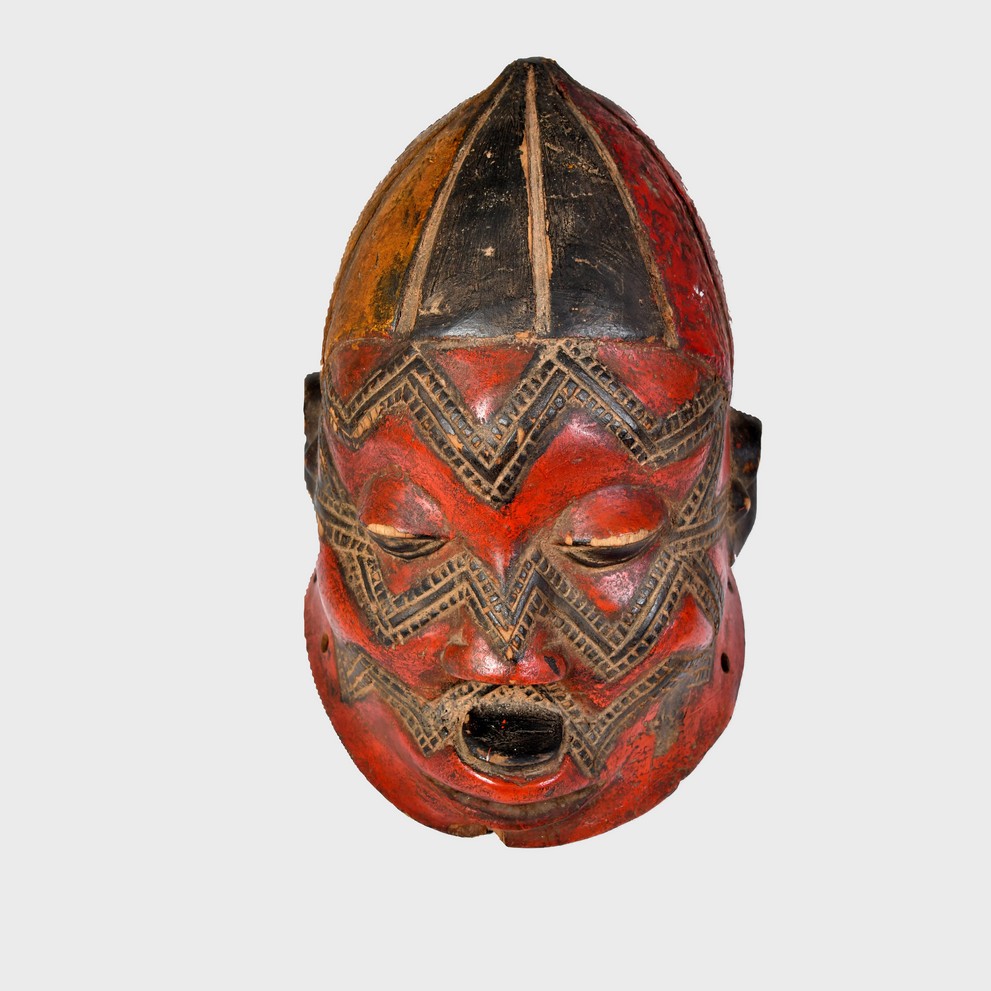
- Create Focal Points: A powerful sculpture or mask instantly becomes the centre of attention. Place a striking Modern African Wood Sculpture on a console table or a unique tribal mask on a prominent wall. Less is often more when it comes to impactful art.
- Mix and Match: Don’t be afraid to blend traditional African pieces with contemporary furniture. The contrast creates visual interest and makes both elements stand out. A sleek, modern sofa can be beautifully complemented by an intricately carved wooden stool or a vibrant textile.
- Embrace Texture and Warmth: African art often features natural textures and rich, earthy tones. Use these to add warmth and organic feel to your rooms. Consider how the smooth, ebonised finish of our African fertility figures can anchor a space.
- Consider Groupings: Sometimes, grouping smaller pieces together can create a dynamic display. Think of a collection of miniature figurines or a series of woven baskets on a large wall.
- Let the Story Guide You: Remember the stories behind the pieces. Use your art as a prompt for conversation, sharing the cultural significance and the artisan’s journey.
The key is to integrate these pieces thoughtfully. They aren’t just decorations; they’re expressions of culture and humanity. Give them the space and respect they deserve, and they’ll transform your home into a gallery of conscious beauty.

Real Stories: The Impact of Eco-Conscious Collecting
I’ve seen firsthand the ripple effect of intentional choices. It’s not just theory; it’s real people, real change. Let me tell you about a conversation I had recently.
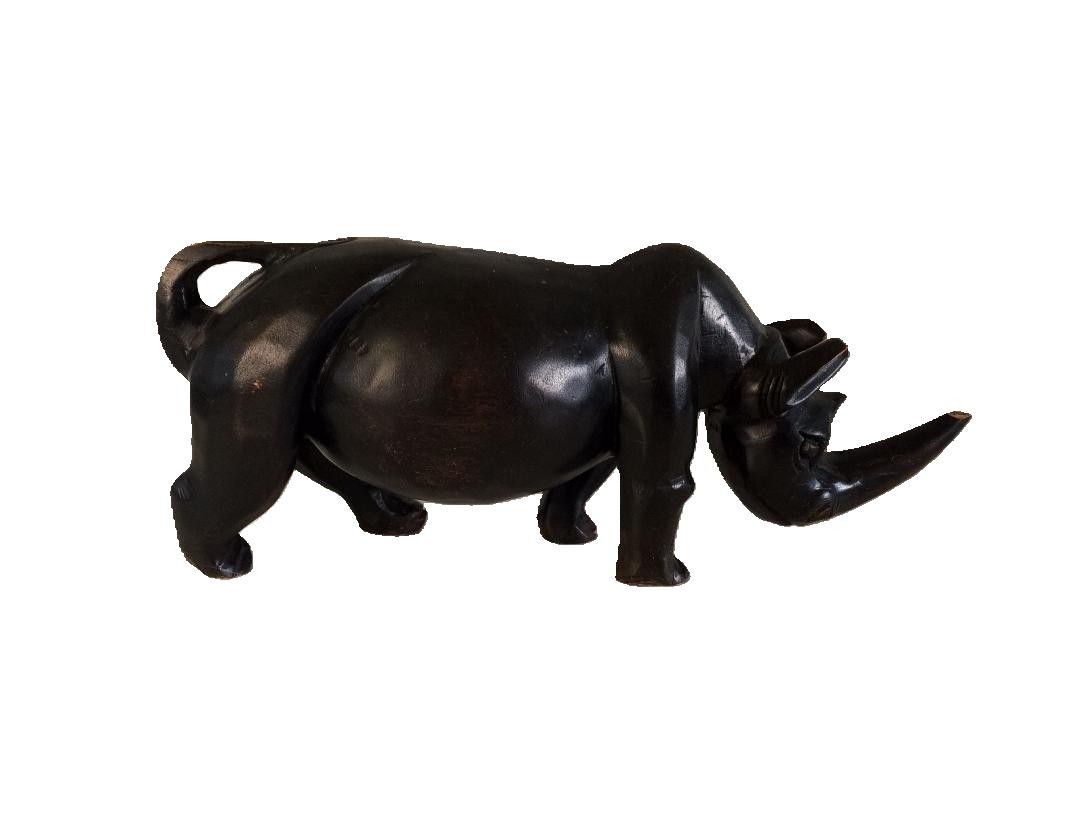
A few months back, a customer, Sarah from London, purchased a magnificent hand-carved rhino sculpture from us. She was drawn to its powerful symbolism and the idea of bringing a piece of the African savanna into her urban flat. But what truly resonated with her was knowing that the artisan, a man named Juma from a village near Arusha, Tanzania, was able to invest in his children’s schooling because of sales like hers.
Juma uses sustainably sourced wood, often reclaiming pieces that would otherwise be discarded. He works from a small workshop, teaching his craft to younger generations, ensuring the continuity of this valuable artistic heritage. When Sarah received her rhino, she didn’t just see a sculpture; she saw Juma’s hands, his dedication, and the bright future of his children. That’s the power of sustainable collecting – it creates a direct link, a shared humanity, across continents.
It’s not about being ‘nice’; it’s about being smart. You get exceptional, unique art, and you contribute to a system that’s robust, ethical, and built to last. That’s a return on investment you won’t find in any stock market.
FAQ: Your Questions on Sustainable African Art, Answered
What does “sustainable” mean for African art?
For African art, “sustainable” means pieces are created using environmentally responsible methods and ethically sourced materials, ensuring fair compensation and safe working conditions for artisans, and supporting the preservation of traditional crafts and communities for the long term.
How can I ensure the African art I buy is genuinely sustainable and not mass-produced?
Look for transparency from sellers. Authentic sustainable art often comes with information about the artisan, the materials used (e.g., specific hardwoods like ebony, kapok), and the production process. Avoid overly generic descriptions or suspiciously low prices, as these can indicate mass production.
Is sustainable African art more expensive?
Not necessarily “more expensive,” but it reflects the true value of skilled labour, quality materials, and ethical practices. When you buy sustainably, you’re paying for authenticity, fair wages, and a positive impact, which offers far greater long-term value than cheaper, mass-produced alternatives.
How do I care for my sustainable African wood carvings?
Most wood carvings require simple care: dust gently with a soft, dry cloth. Keep them away from direct sunlight, excessive moisture, or extreme temperature changes to prevent cracking or fading. Occasionally, you can apply a natural wood oil or beeswax to maintain their lustre and protect the finish.
Where can I find more authentic and sustainable African artefacts?
You can explore curated collections like ours at Moshaki, which prioritise ethical sourcing and artisan support. Visit our dedicated Arts & Artifacts page to see our full range of handcrafted pieces. Always choose sellers who openly share their commitment to fair trade and cultural preservation.
Embracing a Legacy of Conscious Beauty
So, here’s the bottom line. Collecting sustainable African art isn’t just a trend; it’s a movement towards more thoughtful consumption, deeper cultural appreciation, and genuine impact. It’s about more than just aesthetics; it’s about ethics, heritage, and humanity.
When you choose a piece from Moshaki, you’re not just buying art; you’re investing in a legacy. You’re supporting skilled artisans, preserving ancient traditions, and bringing a piece of profound cultural history into your home. This is art that tells a story, sparks conversations, and contributes to a better world – one beautiful, consciously created piece at a time. Make your home a testament to global connection and sustainable elegance.
Ready to start your collection? Explore our unique range today and connect with the heart of African craftsmanship.
***
Contact Us
Have questions about our sustainable practices or our collections? We’d love to hear from you.
- The Office: Mikocheni Rose Garden Road – Vunjabei, Kinondoni, Dar es Salam
- Phone Number: +255 655 220 387
- Contact Information: info@moshaki.com
Our Business Hours
- Monday – Friday: 8am – 4pm
- Saturday – Sunday: 9am – 5pm
We look forward to helping you find the perfect piece of sustainable African art for your home.
“`