

African Streetwear Styles: Blending Tradition with Urban Edge
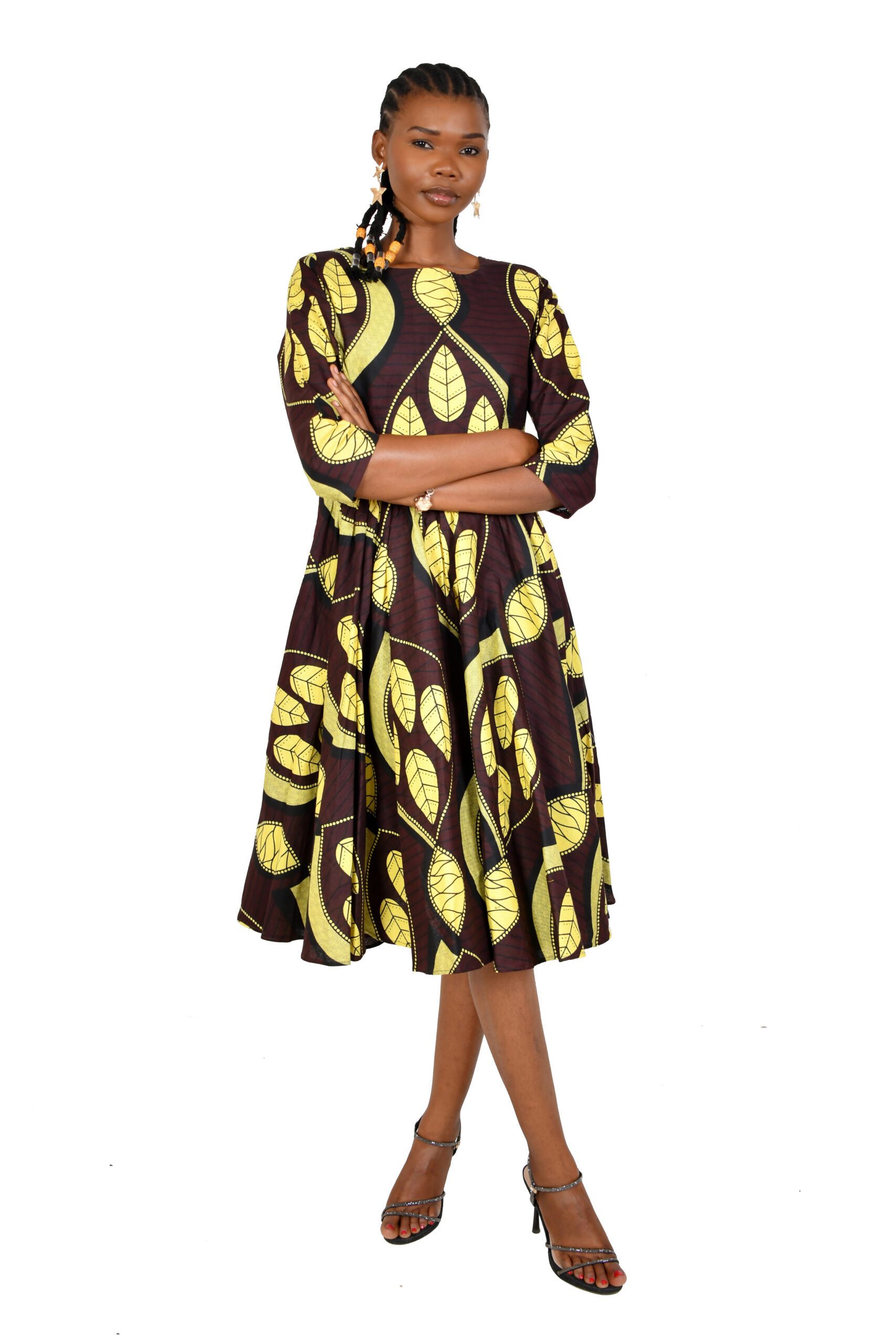
Let’s be real, most fashion trends come and go, but some movements stick. And right now, if you’re not paying attention to African streetwear styles, you’re missing a trick. This isn’t just about clothes; it’s about a cultural phenomenon, a powerful statement born from centuries of rich heritage crashing head-on with the raw, dynamic energy of urban fashion.
I remember a few years back, you’d see African prints mostly in traditional settings. Beautiful, yes, but not exactly grabbing headlines on the global fashion stage. Fast forward to today, and it’s a completely different game. We’re seeing designers, artists, and everyday folk on the streets of Accra, Lagos, Johannesburg, and even London, creating something truly unique. They’re taking those classic, iconic African fabrics and silhouettes, then flipping them into something fresh, wearable, and utterly cool for the concrete jungle. It’s a blend of old and new that just works.
What is African Streetwear, Really?
Alright, so what exactly are we talking about when we say “African streetwear”? It’s not just slapping a Kitenge pattern on a hoodie and calling it a day, though that’s certainly part of it. At its core, African streetwear is about storytelling. It’s about identity, resilience, and a vibrant celebration of African culture, expressed through contemporary fashion. Think of it as a dialogue between history and the present, where every stitch, every print, and every bold colour choice speaks volumes.
It’s about designers who grew up seeing their grandmothers wear specific fabrics and then reimagining those same patterns for a new generation. They’re taking traditional textiles like Kitenge, Ankara, and Kente, and fusing them with modern streetwear elements: think oversized t-shirts, tailored bomber jackets, sleek jumpsuits, and even statement accessories. The result is clothing that’s comfortable, functional, and undeniably stylish. It’s fashion that you can actually live in, not just admire from a distance.
For me, it’s about breaking down barriers. For too long, African fashion was seen as “ethnic” or “costume.” Streetwear has blown that notion out of the water. It’s proving that African aesthetics are not just beautiful, but also incredibly relevant and influential in global fashion. It’s fashion for everyone, but with a distinct African soul. You don’t need to be African to appreciate the artistry, but when you wear it, you’re tapping into something powerful.
How are Traditional African Prints and Textiles Being Reimagined?
This is where the real magic happens. It’s one thing to appreciate a traditional garment, but it’s another to see how it can be completely transformed without losing its essence. Designers are not just copying; they’re innovating. They’re taking the patterns, the colours, and even the cultural significance of fabrics like Kitenge and Kente, and injecting them into pieces that feel thoroughly modern.
Take, for instance, the classic Kitenge fabric. Traditionally, it’s used for vibrant dresses, wraps, and headscarves. Now, you’re seeing it in structured shirt dresses, sleek trousers, and even intricate detailing on trainers. The patterns, once confined to specific forms, are now finding new canvases. It’s a testament to the versatility and timeless appeal of these materials.
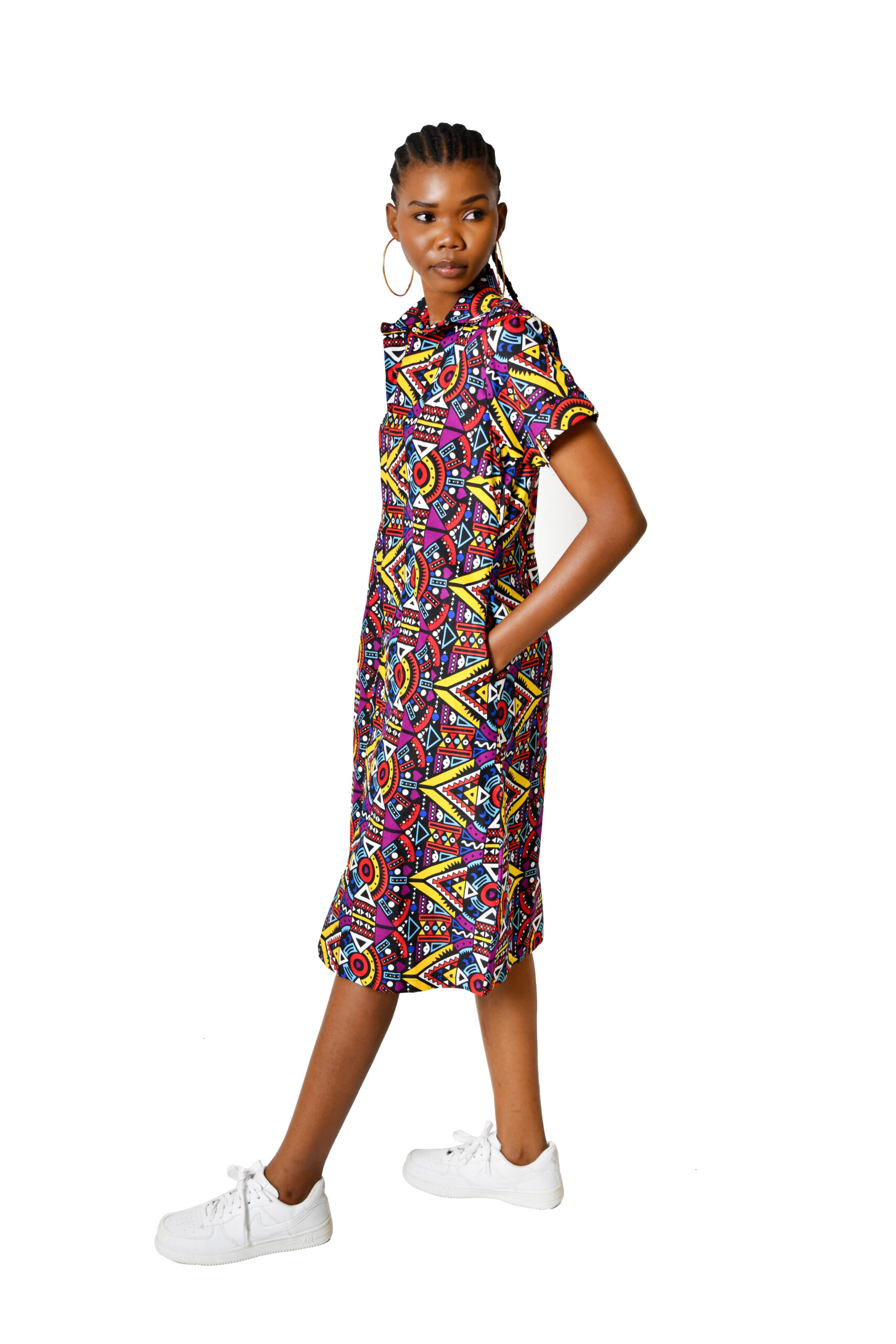
One example I love is how some brands are deconstructing and reconstructing these patterns. Instead of a full garment in one print, you might see a bomber jacket with a vibrant Kitenge lining, or a denim jacket with Ankara panels. It’s subtle, yet impactful. It’s about creating a contrast, a moment of unexpected beauty that elevates the entire outfit. And it’s not just about clothing. We’re talking about accessories: bags, hats, and even footwear are getting the African print treatment, giving a nod to heritage in every step.
Then there’s the boubou. This traditionally loose, flowing garment, often seen in more formal or ceremonial contexts, is now being adapted into relaxed, elegant streetwear. Think of it as a statement piece that offers both comfort and undeniable presence. It’s about taking something grand and making it effortlessly cool for everyday wear.
This reimagining isn’t just aesthetic; it’s economic. By adapting traditional textiles for a global, modern market, these designers are creating demand, supporting local artisans, and ensuring that these incredible craft traditions continue to thrive. It’s a win-win: you get incredible, unique pieces, and communities get sustained livelihoods. That’s purposeful design, right there.
Who are the Key Players and Influencers in African Streetwear?
You can’t talk about a movement without talking about the people driving it. From established designers to emerging talents, there’s a whole ecosystem of creatives shaping the face of African streetwear. These aren’t just fashionistas; they’re cultural architects.
We’ve got the pioneers who started this shift years ago, pushing boundaries when no one else was. Then there are the new wave of designers, often young and digitally native, who are fearless in their approach. They’re taking risks, experimenting with silhouettes, and challenging preconceived notions of what “African fashion” can be. They’re not afraid to mix a vibrant Ankara print with, say, a distressed denim or a minimalist aesthetic. It’s about authenticity and a deep understanding of their roots, combined with a global perspective.
And let’s not forget the stylists, the photographers, and the artists who are visually documenting this evolution. They’re the ones bringing these looks to life, capturing the energy of the streets, and sharing it with the world. Without them, this movement wouldn’t have the global resonance it does today. It’s a collective effort, a vibrant community all pushing in the same direction: to show the world the undeniable power and style of African creativity.
It’s also important to acknowledge the role of music and art in this space. Hip-hop, Afrobeat, and various other contemporary African art forms are intrinsically linked to streetwear. The artists become muses, and their style influences thousands. It’s a symbiotic relationship where each element feeds the other, creating a rich tapestry of cultural expression.
How to Incorporate African Streetwear into Your Wardrobe?
So, you’re convinced. You want a piece of this action. Good. But where do you start? The beauty of African streetwear is its versatility. You don’t need a complete wardrobe overhaul to tap into this trend. It’s about strategic pieces, bold statements, and a touch of confidence.
- Start Small, Make a Statement: If you’re new to this, begin with accessories. A Kitenge headwrap, a bold print scarf, or even sneakers featuring an African motif can instantly elevate your look and inject that urban edge. It’s a low-commitment, high-impact move.
- Embrace the Power Piece: Ready to go a bit bolder? Invest in a key item. A beautifully tailored Kitenge dress, perhaps a relaxed fit like this three-quarter sleeve knee-length one, can be dressed up or down. Pair it with minimalist trainers for a casual vibe, or sleek boots for a more elevated urban feel. Remember, it’s about mixing, not matching everything perfectly.
- Layer Like a Pro: Consider a statement jacket or kimono. An African print bomber or a handwoven kimono with Kitenge trim can be layered over a simple tee and jeans to instantly transform an outfit. It adds depth, texture, and a whole lot of personality without being overwhelming.
- Mix and Match Textures: Don’t be afraid to combine traditional African prints with other fabrics in your wardrobe. Denim, leather, silk – they all create interesting contrasts. A vibrant African print top with a classic pair of jeans? Killer. A sleek boubou over a simple turtleneck? Absolutely.
- Confidence is Your Best Accessory: Honestly, the most important rule in streetwear, particularly African streetwear, is to wear it with conviction. These are bold, expressive pieces. Own them. Your confidence will make any outfit look a million times better.
Think about it like this: I once saw a guy absolutely rocking a simple pair of black combat trousers, a plain white tee, and then this incredible Boubou in Kitenge over the top. It was unexpected, cool, and totally authentic to his style. That’s the power of this movement – it encourages personal expression.
The Impact: Beyond Fashion, Towards Cultural Identity
The rise of African streetwear styles isn’t just a fleeting trend; it’s a profound cultural statement. It’s about reclamation, pride, and rewriting narratives. For so long, African fashion was either exoticised or ignored by mainstream industries. Now, it’s taking its rightful place on the global stage, on its own terms.
What Moshaki, for example, is doing is more than just selling clothes. We’re celebrating timeless design and African heritage. Every high-quality piece, whether it’s clothing or curated art and handcrafted artefacts, is a connection to skilled artisans and our cultural roots. We believe in design with purpose: promoting local craftsmanship, fair trade, and sustainable materials. When you choose a piece of African streetwear, you’re not just making a fashion choice; you’re supporting an entire ecosystem of ethical production and cultural preservation. You’re part of a movement that values quality, heritage, and style that goes beyond seasonal fads.
It’s empowering. It tells young Africans that their heritage is not only valuable but also incredibly stylish and relevant in a modern context. It fosters a sense of pride and belonging. And for those outside of Africa, it’s an invitation to appreciate and engage with a culture that’s rich, diverse, and endlessly inspiring. It’s a bridge, built with threads and patterns, connecting us all.
FAQ: Your Quick Guide to African Streetwear
What defines African streetwear?
African streetwear is a dynamic blend of traditional African aesthetics (like vibrant prints and distinct silhouettes) with contemporary urban fashion elements (such as oversized fits, modern cuts, and functional designs). It’s largely defined by its strong sense of cultural identity and storytelling.
Is African streetwear only for people of African descent?
Absolutely not! While African streetwear proudly celebrates African heritage, it is a global fashion movement. Anyone who appreciates bold design, cultural storytelling, and unique style can incorporate African streetwear into their wardrobe. It’s about appreciation and respect for the culture it represents.
What are some common textiles used in African streetwear?
Common textiles include Kitenge (wax print fabric), Ankara, Kente, Adire, and sometimes handwoven linens and cottons. These fabrics are chosen for their vibrant patterns, rich colours, and often, their cultural significance.
How can I ensure my African streetwear purchases are ethical and sustainable?
Look for brands like Moshaki that explicitly state their commitment to ethical production, fair trade practices, and sustainable materials. We work directly with artisans, ensuring fair wages and safe working conditions, and prioritise low-impact fabrics and eco-conscious methods. Transparency in sourcing and production is key.
Can African streetwear be worn for formal occasions?
Definitely! Many African streetwear pieces, especially tailored dresses, sophisticated kaftans, or statement jackets, can be styled for semi-formal or even formal events. It’s all about how you accessorise and what pieces you choose. A flowing maxi dress in a beautiful Kitenge print, paired with elegant heels and jewellery, is perfectly suited for a special occasion.
Final Thoughts on African Streetwear Styles
If you take one thing away from our little chat, let it be this: African streetwear styles are here to stay. This isn’t just a flash in the pan. It’s a genuine movement built on authenticity, cultural pride, and undeniable creativity. It’s fashion with a purpose, with a story, and with soul.
At Moshaki, we’re deeply committed to this vision. We don’t just sell clothes; we offer pieces that connect you to a rich heritage and support incredible artisan communities. Our commitment to environmental stewardship and social responsibility means every item you wear is a reflection of design with purpose. So, whether you’re looking for that perfect statement dress or just a subtle nod to Afrocentric elegance, remember you’re not just buying a garment – you’re investing in a legacy.
Dare to be bold. Dare to be unique. Dive into African streetwear and let your style speak volumes.
Connect With Us
The Office: Mikocheni Rose Garden Road – Vunjabei, Kinondoni, Dar es Salam
Phone Number: +255 655 220 387
Contact Information: info@moshaki.com
Our Business Hours:
Monday – Friday: 8am – 4pm
Saturday – Sunday: 9am – 5pm
Explore our collection: Moshaki Clothing