

Deciphering Meaning: Symbolism and Stories in African Artifacts
Alright, let’s cut to the chase. When you look at an African artifact, you’re not just seeing wood, metal, or beads. You’re looking at a history book, a spiritual guide, a declaration of identity – all rolled into one. I’m talking about the profound symbolism in African artifacts, and why understanding it isn’t just academic; it’s essential for appreciating their true power.
At Moshaki, we’re all about celebrating timeless design and African heritage. We curate original art and handcrafted artefacts because we believe each piece connects you to skilled artisans and our rich cultural past. This isn’t just décor; it’s design with purpose. And the purpose is to tell a story, often through symbols that speak volumes without uttering a single word.
What is the True Power of Symbolism in African Artifacts?
Honestly, it’s simple: these aren’t just pretty objects. African artifacts are loaded with meaning. Every line, every shape, every choice of material—it’s intentional. It’s a language, a visual code passed down through generations. My experience has shown me that when you start to grasp this, you move from merely observing to truly understanding. It’s a game-changer.
Consider the patterns on a textile or the stance of a carved figure. These aren’t random. They’re deliberate choices that convey specific messages about status, beliefs, history, or community. It’s a way for cultures to preserve their narratives, their values, and their spiritual connections without needing a written script. That’s power.
How Do African Artifacts Tell Stories Without Words?
Think about it like this: a symbol is a shortcut to a complex idea. Instead of explaining a whole lineage, a specific emblem can represent an entire family’s history. Instead of describing a deity, a particular mask can instantly evoke its presence and power. It’s efficient, it’s impactful, and it’s deeply ingrained in the cultural fabric.
Take, for instance, a fertility figure. It’s not just a sculpture of a person; it embodies the hopes, prayers, and societal importance of lineage and continuity. It’s a tangible representation of abstract concepts, making them real and accessible. That’s why these pieces resonate so deeply – they speak to universal human experiences through highly specific cultural lenses.
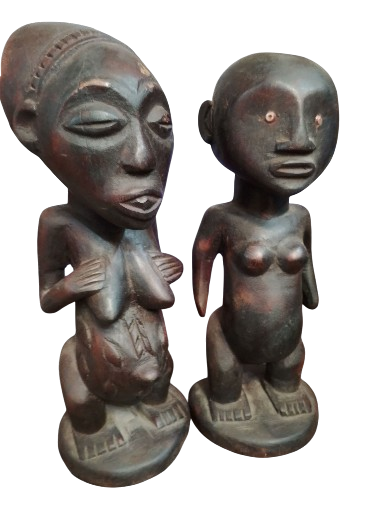
At Moshaki, we see this firsthand. Our Hand-Carved African Ebonised Fertility Figures, for instance, are more than just a decorative pair. They represent balance, unity, and ancestral blessings, reflecting West and Central African tribal art that embodies the continuity of family and prosperity.
Unpacking Common Symbolism in African Artifacts
Let’s dive into some specific examples. You’ll quickly see that the symbolism in African artifacts is incredibly diverse, yet often rooted in universal themes.
Animal Symbolism: More Than Just Wildlife
Animals in African art are rarely just animals. They’re metaphors, spiritual guides, and embodiments of human traits. A lion isn’t just a big cat; it’s a symbol of strength, royalty, and protection. A crocodile often represents adaptability and hidden power, given its ability to thrive in both land and water.
- Lion: Strength, leadership, royalty, protection, courage. You’ll find these majestic creatures in carvings from various regions, representing chieftains or spiritual guardians.
- Elephant: Wisdom, memory, longevity, power. Its imposing presence and social structure make it a natural symbol of authority and community elders.
- Crocodile: Adaptability, survival, hidden power, protection. Often seen in art from cultures near rivers and lakes, reflecting respect for this formidable creature.
- Serpent: Transformation, healing, protection, knowledge. Its shedding of skin represents renewal, and its ancient presence often links it to primordial wisdom.
For instance, our Hand-Carved African Crocodile Sculpture isn’t merely an animal figure; it’s a powerful emblem of survival and guardianship from West and Central Africa.
Human Figures: Ancestors, Spirits, and Ideals
Human forms in African artifacts are usually highly stylized, not meant to be realistic portraits. They represent ideas: ancestors, spirits, or idealised human qualities.
- Elongated Figures: Often represent a connection to the spiritual realm, transcendence, or elevated status. The physical form is stretched to suggest a departure from the mundane.
- Maternal Figures: Embody fertility, nurturing, and the continuity of life. They are powerful symbols of creation and the strength of womanhood.
- Masks: These are probably the most direct way symbolism in African artifacts manifests. Masks transform the wearer, allowing them to embody spirits, ancestors, or specific social roles during ceremonies. The colours, shapes, and materials all contribute to their symbolic meaning.
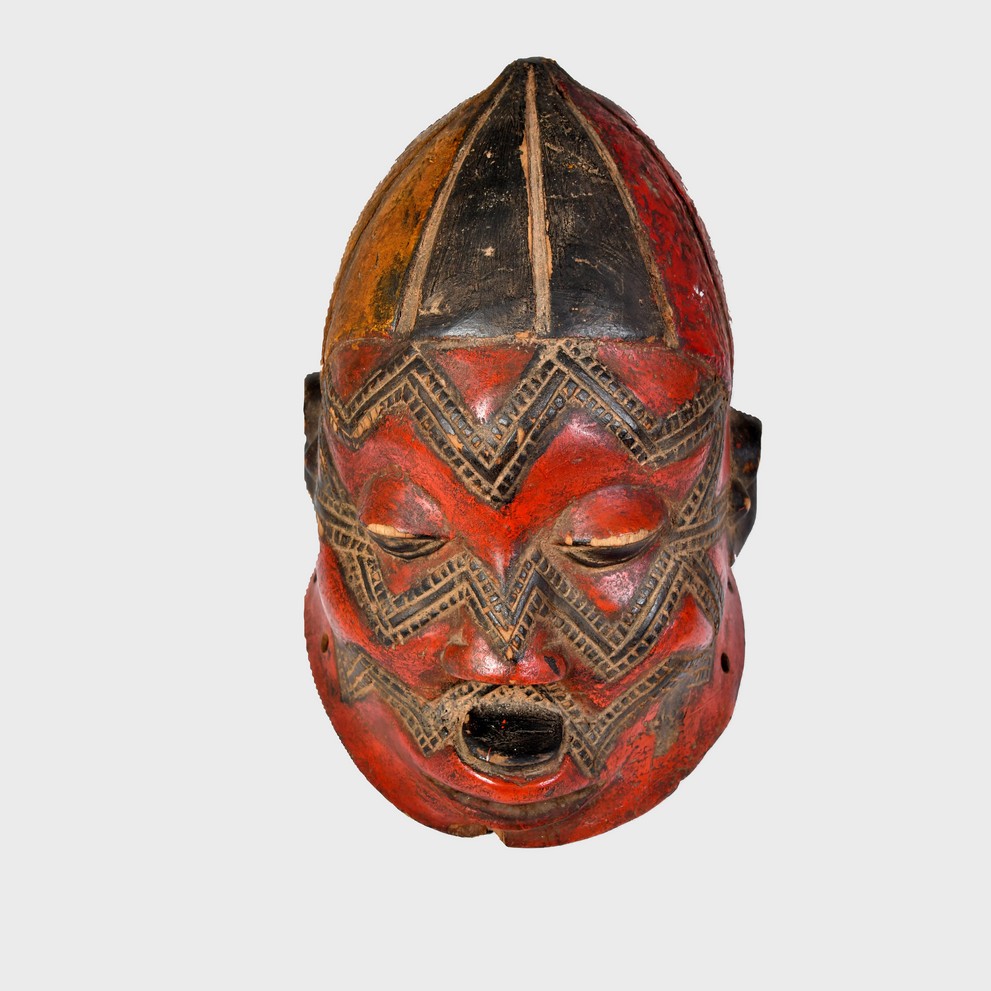
Take our Heritage African Tribal Mask, for example. The bold red pigment signifies vitality and spiritual energy, while the scarification marks convey beauty, lineage, and identity within Luba society.
Abstract Patterns & Geometric Motifs: The Language of Design
Geometric patterns might seem purely decorative, but in African art, they often carry profound symbolic weight. Triangles, spirals, circles, and interwoven lines all have specific meanings.
- Triangles: Can represent male and female principles, stability, or the sacred trinity of birth, life, and death.
- Spirals: Symbolise growth, change, eternity, and the journey of life.
- Circles: Unity, wholeness, cycles, and the universe.
- Interwoven Patterns: Reflect interconnectedness, community, and the complexity of life’s relationships, often seen in textiles and basketry.
It’s like this: when an artisan carves a particular pattern, they’re not just filling space. They’re inscribing a message, a prayer, a piece of communal wisdom directly onto the object. It’s why African artifacts feel so alive; they’re packed with ancestral whispers.
The Story Behind the Craft: Artisanship and Purpose
At Moshaki, we firmly believe in design with purpose. This isn’t just a marketing slogan; it’s the DNA of every piece we curate. Each stitch, carving, and brushstroke tells a story of heritage, artistry, and meticulous care that goes far beyond fleeting trends.
We work directly with artisans, ensuring fair wages, safe conditions, and lasting community investment. This commitment to social responsibility isn’t a sideline; it’s central to what we do. It means when you bring a piece of Moshaki into your home, you’re not just getting an object; you’re supporting an entire ecosystem of ethical craftsmanship.
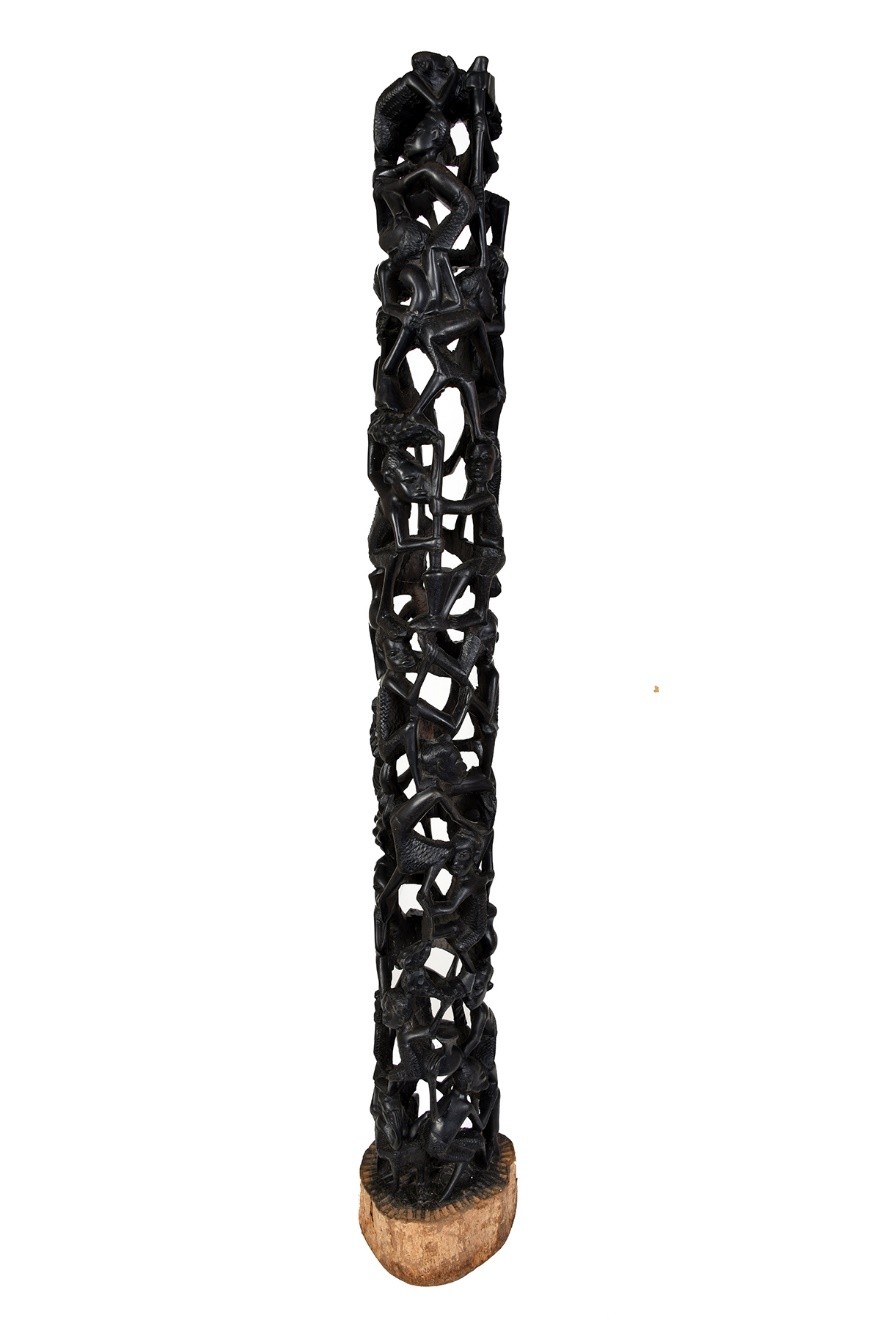
Consider the Makonde “Tree of Life” sculpture. It’s a complex, multi-figured carving representing generations supporting one another. This isn’t just aesthetic; it’s a physical representation of the Makonde belief that family is the foundation of survival and cultural resilience. This is why we feature pieces like our Makonde Tree of Life Sculpture – because they embody this profound depth.

Even modern pieces, like our Modern African Wood Sculpture of a Seated Figure, carry this intentionality. The abstract, minimalist form isn’t empty; it communicates universality, calm, and inner strength – values deeply rooted in African philosophies, but presented in a way that speaks to contemporary living.
Connecting the Past to Your Present: Embracing African Heritage
So, why should you care about the symbolism in African artifacts today? Because these pieces are not relics of a bygone era. They are living testaments to enduring cultures, philosophies, and human ingenuity. They offer a connection to a rich heritage that enriches contemporary living.
Incorporating these pieces into your home or collection isn’t just about aesthetics; it’s about making a statement. It’s about valuing quality, heritage, and style that has depth. It’s about surrounding yourself with objects that tell a story, spark conversation, and serve as daily reminders of something bigger than ourselves.
It’s also about global citizenship. By understanding and appreciating the symbolism, you’re engaging with other cultures respectfully. You’re learning. You’re growing. And frankly, that’s just smart business and smart living. Don’t be passive; be informed, be intentional.
Frequently Asked Questions About Symbolism in African Artifacts
What are African artifacts primarily used for?
African artifacts serve a multitude of purposes, ranging from ritualistic and ceremonial use (like masks and power figures) to everyday functional objects (like stools, pots) and status symbols (like regalia and jewellery). Many also serve as historical records or teaching tools, embodying the values and narratives of a community.
How can I identify the meaning of symbols in African art?
Identifying the meaning often requires research into the specific ethnic group, region, and historical context of the artifact. Common themes include animals representing human traits, human figures symbolising ancestors or deities, and geometric patterns conveying abstract concepts like unity or protection. Consulting ethnographic texts or experts is often necessary for precise interpretations.
Are all African artifacts spiritual or religious?
While many African artifacts hold significant spiritual or religious meaning and are used in rituals, not all are exclusively so. Many pieces serve social, political, or decorative functions, such as communicating social status, commemorating events, or simply enhancing living spaces. However, even “secular” pieces often carry underlying cultural significance.
What materials are commonly used in African artifacts?
African artifacts are crafted from a vast array of natural materials, reflecting the local environment. Common materials include various hardwoods (ebony, iroko, kapok), metals (bronze, brass, iron), terracotta, clay, ivory, beads, cowrie shells, textiles, and natural pigments. The choice of material often holds symbolic significance itself.
How can I ensure the authenticity and ethical sourcing of African artifacts?
To ensure authenticity and ethical sourcing, purchase from reputable dealers or platforms that provide clear provenance and demonstrate a commitment to fair trade practices and local artisans. Look for transparency regarding the origin, materials, and creation process. At Moshaki, we directly collaborate with skilled artisans, promoting fair wages and sustainable practices.
Conclusion: The Enduring Legacy of Symbolism African Artifacts
So, there you have it. The symbolism in African artifacts isn’t some obscure academic pursuit; it’s a living, breathing language that offers unparalleled insights into the human condition, cultural resilience, and the power of artistic expression. These pieces are more than just items; they are storytellers, teachers, and guardians of heritage.
At Moshaki, we’re honoured to share these stories with you. Every piece we offer is a testament to the profound artistry and deep meaning embedded in African culture. It’s about bringing that heritage, that depth, and that undeniable style into your world. Don’t just decorate; communicate. Don’t just own; connect.
Ready to explore these powerful narratives for yourself? Visit our collection of African artifacts today and find a piece that speaks to you. Because when you invest in African art, you’re investing in history, culture, and a legacy of meaning that truly matters.
Connect With Us
The Office: Mikocheni Rose Garden Road – Vunjabei, Kinondoni, Dar es Salam
Phone Number: +255 655 220 387
Contact Information: info@moshaki.com
Our Business Hours:
- Monday – Friday: 8am – 4pm
- Saturday – Sunday: 9am – 5pm
Explore more: https://moshaki.com/arts-artifacts/