

The Pillars of Ethical Sourcing: Ensuring Genuine African Art for All
Let’s cut right to it. When you’re looking to bring the vibrant spirit of Africa into your home, be it through stunning sculptures or intricate masks, there’s one thing that should always be at the forefront of your mind: Ethical Sourcing African Art. This isn’t just some feel-good buzzword; it’s the bedrock of preserving cultural heritage, supporting livelihoods, and ensuring that what you buy is truly authentic.
I’m here to tell you, straight up, why this matters and how you can make sure your collection of African art doesn’t come at the cost of the very communities and traditions it represents. It’s about more than just a beautiful object; it’s about a beautiful story, ethically told.
Why Should We Even Care About Ethical Sourcing African Art?
Look, I get it. You see a piece, you love it, you buy it. Simple, right? But with African art, especially, it’s rarely that simple. The market is rife with mass-produced fakes, exploitative practices, and situations where the actual artisans see little to none of the profit. This isn’t just unfair; it actively damages the rich tapestry of African art traditions.
Imagine a skilled carver, let’s call him Juma, in a small Tanzanian village. Juma spends weeks, sometimes months, perfecting a single hand-carved sculpture. Each line, each curve, each detail tells a story passed down through generations. If his work is undercut by cheap, machine-made replicas, or if middlemen exploit his talent, what happens? Juma struggles, his family struggles, and eventually, that incredible skill, that deep cultural knowledge, starts to fade away. We lose something truly precious.
Ethical sourcing ensures Juma, and countless other artisans like him, get fair compensation for their incredible talent and effort. It means they can continue to practice their art, support their families, and keep their traditions alive. It’s not charity; it’s a fair exchange, a genuine partnership that respects both the artist and the art.
What Does ‘Ethical Sourcing’ Actually Mean for African Art?
So, what are we actually talking about when we say ‘ethical sourcing’? It boils down to a few core principles that protect everyone involved, from the creator to the collector.
-
Fair Wages: This is non-negotiable. Artisans must be paid a fair price that reflects their skill, time, and the cultural value of their work. It needs to be enough for them to live a dignified life and reinvest in their craft and community.
-
Safe Working Conditions: Artisans shouldn’t have to risk their health or safety to create art. Ethical sourcing ensures they work in environments that meet reasonable safety standards.
-
Transparency: Knowing where the art comes from, who made it, and under what conditions is crucial. A transparent supply chain allows you to trace the journey of your piece, from the artist’s hands to yours.
-
Cultural Preservation: Ethical sourcing respects the cultural context of the art. It avoids the commodification or misrepresentation of sacred or traditional designs and actively supports practices that keep heritage alive.
-
Environmental Responsibility: This means using sustainable materials and methods. For wooden sculptures, for example, it means ensuring the wood is sourced responsibly, not contributing to deforestation.
When you commit to ethical sourcing African art, you’re not just buying a product; you’re investing in a legacy, fostering sustainability, and championing human dignity.
How to Ensure You’re Buying Genuinely Sourced African Art
Alright, you’re convinced. You want to buy right. How do you actually do it? It’s simpler than you might think, but it requires a bit of due diligence. Think of it like a good investment; you do your homework.
First off, buy from reputable sources. This might seem obvious, but it’s where many people fall short. Look for sellers who explicitly detail their sourcing practices. Do they tell you about the artisans? Do they share stories from the communities? Are they transparent about the materials?
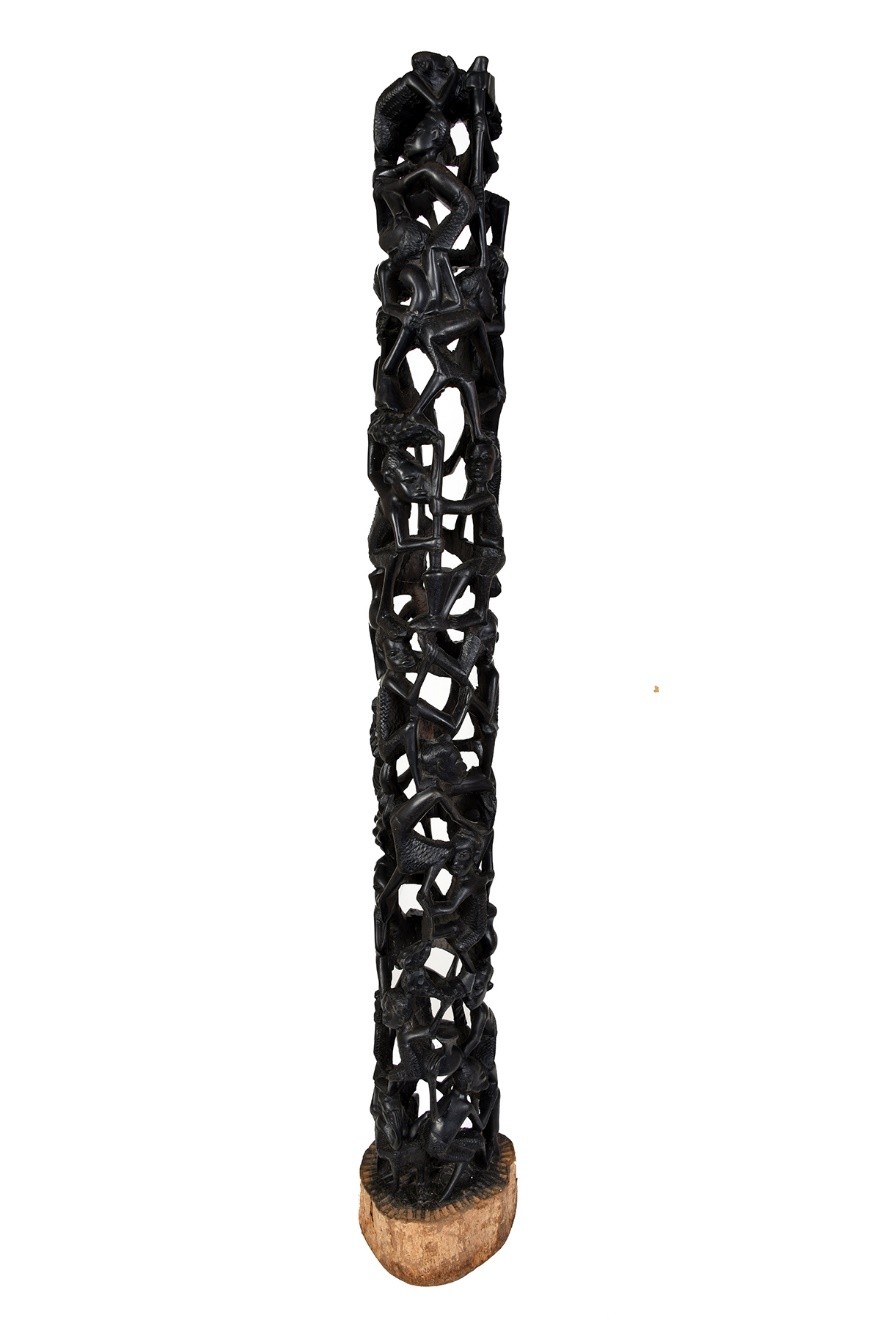
At Moshaki, for instance, we’re built on these very principles. We travel, we meet the artisans, we understand their craft, and we ensure they are fairly compensated. When you look at a piece like our Hand-Carved African Ebony Wood Sculpture, you’re not just seeing the finished product; you’re seeing the culmination of a fair process.
Ask questions. Don’t be shy. A truly ethical vendor will be delighted to tell you everything. “Where was this made?” “Who made it?” “What are the materials?” “How does this purchase benefit the community?” If they can’t answer, or they get shifty, that’s a massive red flag. Walk away.
The Impact: Fair Wages, Sustainable Practices, and Community Growth
Let me tell you about the real power of ethical sourcing African art. It’s not just about avoiding harm; it’s about actively doing good. We’re talking about tangible, positive change.
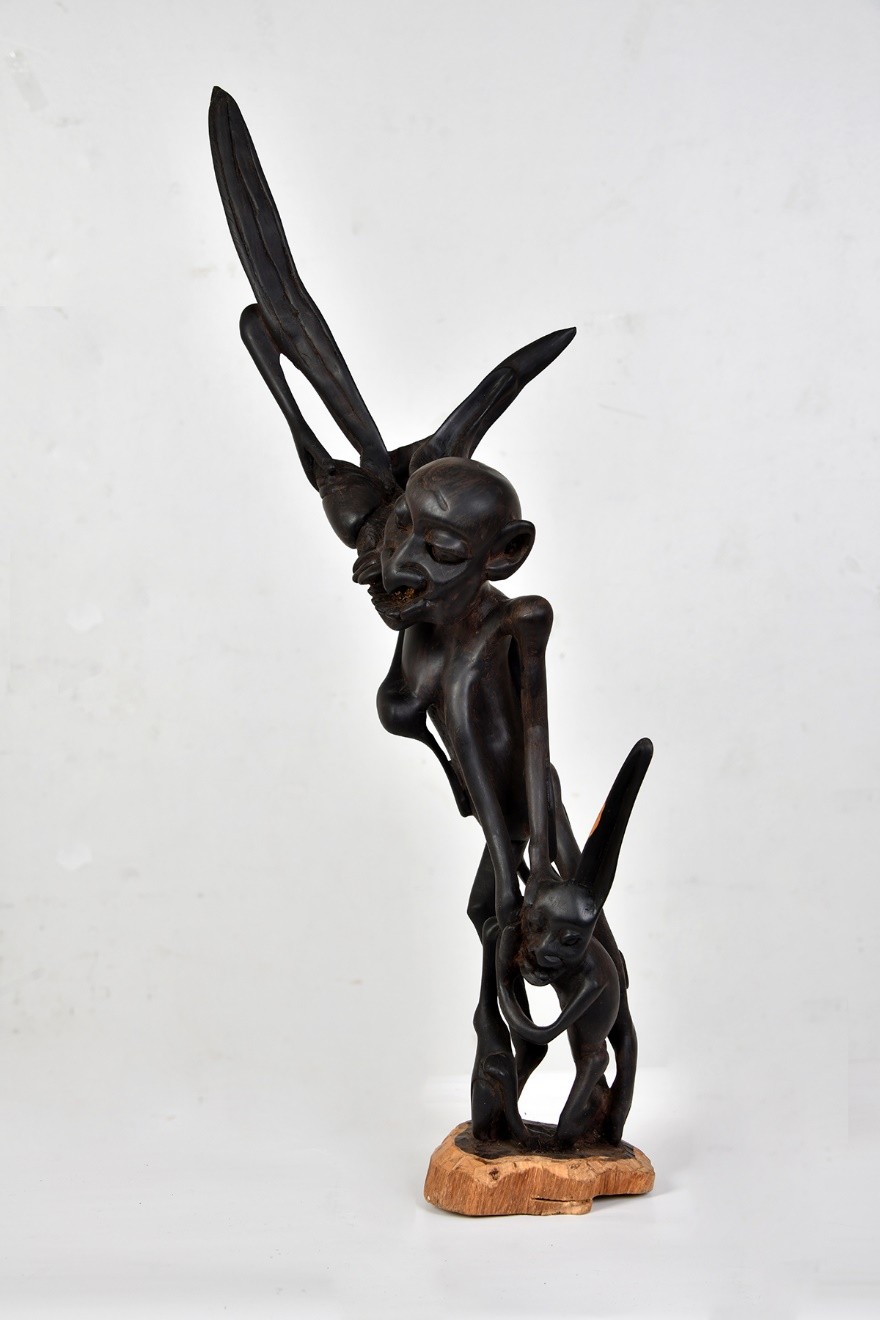
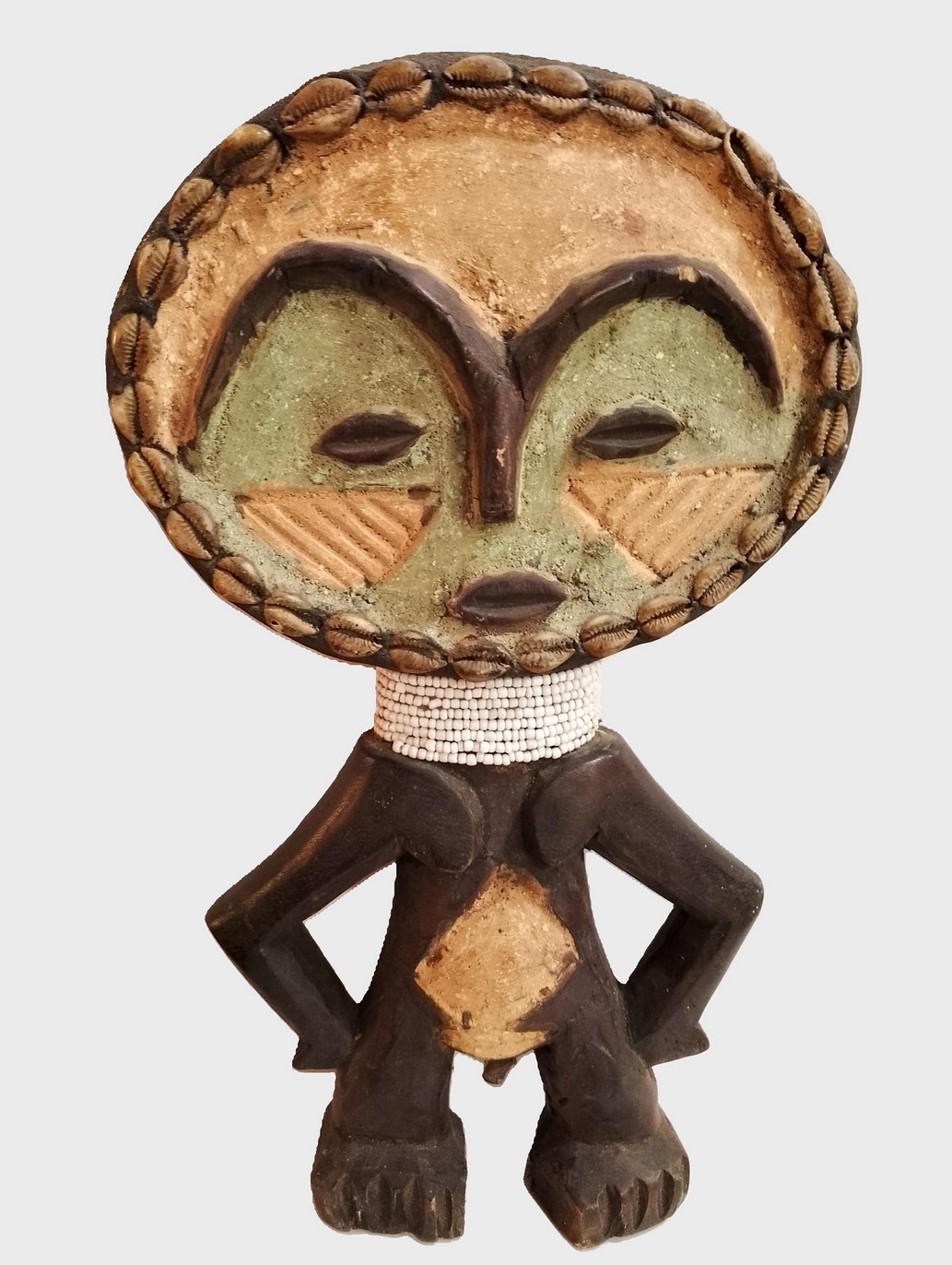
At Moshaki, our mission is to celebrate timeless design and African heritage. This isn’t just a marketing line. It’s deeply woven into how we operate. Every piece we curate, whether it’s clothing or a Songye-inspired fertility figure, promotes local craftsmanship and fair trade practices. This means the artisans receive a just price, allowing them to invest in their families, send their children to school, and build better futures.
We also put a huge emphasis on environmental stewardship. We prioritise low-impact fabrics, sustainable packaging, and eco-conscious production methods. For our handcrafted artefacts, this translates to ensuring responsible wood sourcing and minimal waste. It’s about respecting the land that provides the materials as much as we respect the hands that shape them.
Our commitment to social responsibility extends beyond fair wages. We work directly with artisans to ensure safe working conditions and foster lasting community investment. This isn’t just transactional; it’s about building relationships and creating a sustainable ecosystem where art, culture, and livelihoods thrive together. Every stitch, every carving, every brushstroke reflects this dedication to heritage, artistry, and care that goes beyond fleeting trends.
Don’t Get Caught Out: Spotting Red Flags in African Art Purchases
Alright, let’s talk about the ugly side of things. How do you know when something isn’t quite right? Because unfortunately, some folks are out there looking to make a quick buck without a shred of ethics.
-
"Too Good to Be True" Prices: Authentic, handcrafted African art takes time, skill, and effort. If a "hand-carved" piece is unbelievably cheap, chances are it’s either mass-produced, stolen, or the artisan was severely underpaid.
-
Lack of Information: If a seller can’t or won’t tell you about the origin of the piece, the artist, or the materials, consider it a major warning. Legitimate sellers are proud of their sourcing.
-
Generic Descriptions: "African carving" without any mention of tribe, region, or specific cultural context? That’s a red flag. Real African art comes with a rich story.
-
Poor Quality/Lack of Detail: While some tribal art can appear "rough" by Western standards, it always possesses a unique, intentional artistry. Mass-produced items often lack the intricate detail and soul of genuine handmade pieces.
-
Aggressive Selling Tactics: High-pressure sales, especially in markets, can sometimes indicate they want to offload questionable items quickly before you can think too much.
Trust your gut. If something feels off, it probably is. Your investment in authentic Ethical Sourcing African Art contributes to a positive cycle, not a problematic one.
Frequently Asked Questions About Ethical African Art
Q: What’s the main difference between ethically sourced and unethically sourced African art?
A: Ethically sourced art ensures fair wages, safe conditions, and respect for cultural traditions and the environment, directly benefiting artisans and communities. Unethically sourced art often involves exploitation, misrepresentation, or harm to the artists, culture, or environment.
Q: How can I be sure the art I’m buying is truly authentic and not a fake?
A: Look for sellers who provide detailed provenance, artisan stories, and information on materials and traditional techniques. Authentic pieces usually have unique variations that machine-made items lack. Asking specific questions helps too.
Q: Does ethical sourcing mean the art will be much more expensive?
A: Not necessarily "much more," but it will reflect the true value of the artistry, time, and materials, including fair compensation for the artisan. This might be more than mass-produced knock-offs, but you’re paying for authenticity, quality, and positive impact.
Q: How does Moshaki ensure its African art is ethically sourced?
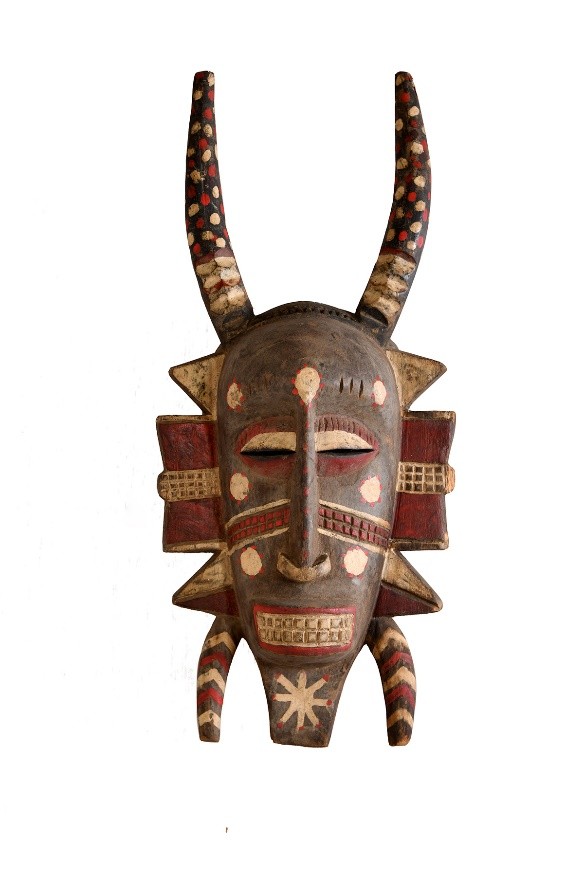
A: Moshaki works directly with skilled artisans, often visiting communities to build relationships and ensure fair trade practices. We prioritise sustainable materials and methods, focusing on quality, heritage, and social responsibility in every piece, like our Authentic African Bwa Mask.
Q: Can I really make a difference by choosing ethically sourced African art?
A: Absolutely. Every ethical purchase supports artisans’ livelihoods, preserves invaluable cultural traditions, encourages sustainable practices, and strengthens local communities. Your choice directly contributes to a more equitable and respectful global art market.
In Conclusion: Making the Right Choice for African Art
So, there you have it. Choosing Ethical Sourcing African Art isn’t just about buying a pretty thing; it’s about making a conscious decision to support human dignity, cultural preservation, and environmental responsibility. It’s about knowing that your piece tells a genuine story, from the hands that crafted it to the home it now adorns. It’s about empowering artisans like Juma, ensuring their traditions continue for generations to come.
When you seek out authentic, ethically sourced pieces, you’re not just a consumer; you’re a patron of culture, an advocate for fairness, and a part of a global community that values integrity above all else. At Moshaki, we’re proud to be part of that movement, connecting you with art that has purpose, quality, heritage, and undeniable style.
Join us in celebrating the true spirit of African art – art that’s made with respect, passion, and an unwavering commitment to doing things the right way. Explore our collection today and become a part of the Moshaki story.
Contact Us:
The Office
Mikocheni Rose Garden Road – Vunjabei, Kinondoni, Dar es Salam
Phone Number: +255 655 220 387
Contact Information: info@moshaki.com
Our Business Hours:
Monday – Friday: 8am – 4pm
Saturday – Sunday: 9am – 5pm
Useful links: https://moshaki.com/arts-artifacts/