

“`html
The Canvas of Culture: Exploring Diverse African Paintings & Art Styles
Alright, let’s talk about something truly powerful: African Paintings Art Styles. If you’ve ever felt a connection to art that tells a story, that vibrates with history and culture, then you’re going to want to stick around. What I’m sharing today isn’t just about pretty pictures; it’s about diving into the soul of a continent, expressed through countless brushes, carvings, and creative minds. Here at Moshaki, we celebrate this timeless design and African heritage, bringing you pieces that do more than just decorate a space – they tell a story.
Forget what you thought you knew about “African art” as a single, monolithic entity. That’s a rookie mistake. Africa is a continent of over 50 countries, each with its own languages, histories, and, crucially, its own distinct artistic expressions. From the ancient rock art of the Sahara to the vibrant contemporary galleries of Lagos and Cape Town, the sheer diversity of African arts and artifacts is staggering. We’re going to break down these rich traditions, explore their evolution, and understand why they continue to captivate and inspire globally.
What Defines African Paintings and Art Styles?
When you boil it down, African art isn’t just about aesthetics. It’s functional, symbolic, and deeply intertwined with daily life, spirituality, and social structures. We’re talking about art that serves a purpose, whether it’s for rituals, initiation ceremonies, storytelling, or communicating status. It’s rarely “art for art’s sake” in the Western sense, at least traditionally. That’s a crucial distinction.
The core elements often include:
- Symbolism: Nearly every line, colour, and form carries a specific meaning.
- Spirituality: Art is a bridge to the ancestral and spirit worlds.
- Community Focus: Often created for and by the community, reflecting shared values.
- Dynamic Forms: Bold shapes, exaggerated features, and abstract representations are common.
- Use of Natural Materials: Wood, clay, metal, pigments from plants and minerals – these are the canvas and palette.
These aren’t just guidelines; they’re the bedrock. Understanding these helps you see beyond the surface and appreciate the true depth of African artistry. It’s about tapping into centuries of wisdom and cultural expression.
The Deep Roots: Traditional African Artistry
If you want to grasp African art, you have to start at the beginning. Traditional African art is incredibly diverse, but it generally falls into categories like masks, sculptures, textiles, and rock art. These forms aren’t merely decorative; they’re vital tools for community cohesion, spiritual practices, and historical record-keeping.
Masks: More Than Just a Face Covering
When I think of traditional African art, masks are often the first thing that comes to mind. But these aren’t your Halloween masks. We’re talking about powerful ritual objects used in ceremonies, dances, and rites of passage. They embody spirits, ancestors, or natural forces, allowing dancers to transform and communicate with the unseen world. Take, for example, the Bwa masks from Burkina Faso and Mali. Their vibrant geometric patterns and tall extensions aren’t just pretty; they represent specific nature spirits crucial to community well-being.
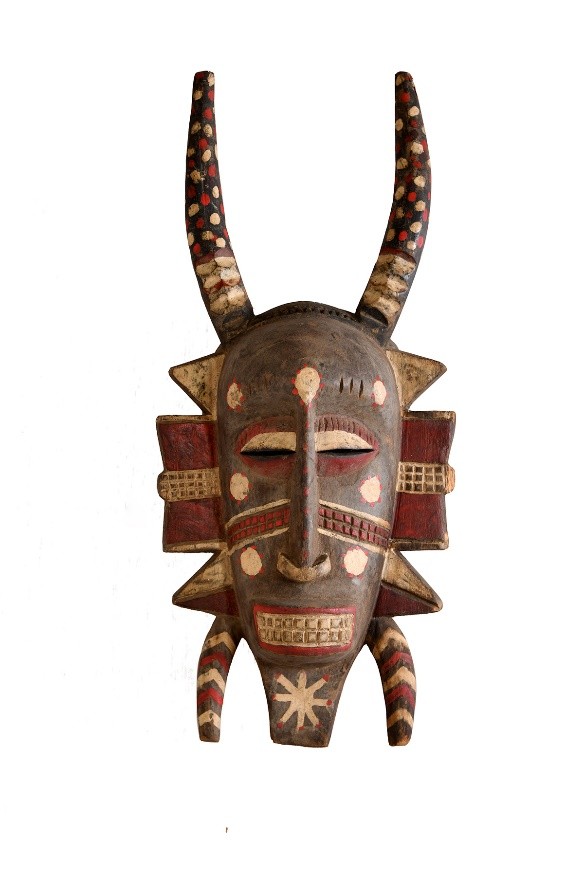
Each mask has its own story, its own dance, and its own significance. To understand them is to understand a society’s beliefs, its history, and its very identity.
Sculptures: Carved Histories and Spiritual Guides
Beyond masks, African sculptures are phenomenal. Whether it’s monumental figures carved from dense hardwood or delicate ivory pieces, these sculptures serve myriad purposes. Fertility figures, ancestral representations, or protective deities – each piece is imbued with meaning. Look at something like a “Man in Thought” sculpture. It’s not just a person sitting; it embodies wisdom, contemplation, and balance, reflecting deep philosophical traditions.

The materials themselves often hold significance. Ebony, for instance, is prized for its density and dark lustre, lending a weighty, powerful presence to the carvings. Artisans at Moshaki often use sustainable hardwoods, continuing this legacy of craftsmanship with purpose. This isn’t mass production; this is deliberate, spiritual work.
How Have African Art Styles Evolved? From Tradition to Modern Expression
African art isn’t static. Like any living culture, it evolves, adapts, and innovates. While traditional forms remain potent, contemporary African artists are pushing boundaries, blending ancient motifs with global influences to create something entirely new and exciting. This isn’t a dilution of culture; it’s a testament to its enduring strength and adaptability.
The Influence of Global Exchange
Colonialism, for all its destructive impact, did lead to a forced but significant cultural exchange. African artists, witnessing European styles, sometimes incorporated new techniques or themes, even if it was to comment on the colonial experience itself. This blending laid groundwork for modernist African art. Think about how traditional forms are now being recontextualized. A mask might once have been purely for ritual, but now, a contemporary artist might use its aesthetic principles in a painting to explore identity in a globalized world.
Rise of Contemporary African Art
Today, contemporary African art is booming. Artists are using diverse mediums—oil on canvas, mixed media, digital art—to explore issues ranging from post-colonial identity, urbanization, environmentalism, and human rights, all while often drawing from their rich heritage of symbolism and storytelling. They’re not abandoning the past; they’re building on it. It’s like taking a classic recipe and adding a modern twist – the essence is still there, but the flavour profile is entirely new and exciting. This dynamic interplay is what makes modern African paintings art styles so compelling.
Unpacking the Symbolism: What Stories Do African Paintings Tell?
Every piece of African art is a narrative, a visual language waiting to be deciphered. It’s not always explicit, often relying on established symbols, patterns, and colours that an informed eye can read. Understanding this symbolism unlocks a deeper appreciation for the art.
Colours and Their Meanings
- Red: Often signifies life, vitality, blood, passion, or danger.
- White: Purity, spirituality, death (as a transition), or wisdom.
- Black: Mystery, night, strength, or old age.
- Blue: Sky, water, harmony, or knowledge.
- Yellow/Gold: Wealth, fertility, glory, or ripeness.
These aren’t universal rules, mind. Meanings can shift dramatically between ethnic groups and regions. But it gives you a starting point. It’s about context, always about context.
Patterns and Motifs
Geometric patterns, animal motifs, and anthropomorphic figures are common. A zigzag might represent a lightning bolt, symbolizing power or divine intervention. A spiral could denote life, rebirth, or continuity. An elephant, often depicted in paintings and carvings, might represent strength, wisdom, and royalty. Knowing these visual cues turns a piece of art from a mere object into a historical document, a philosophical treatise, or a spiritual guide.
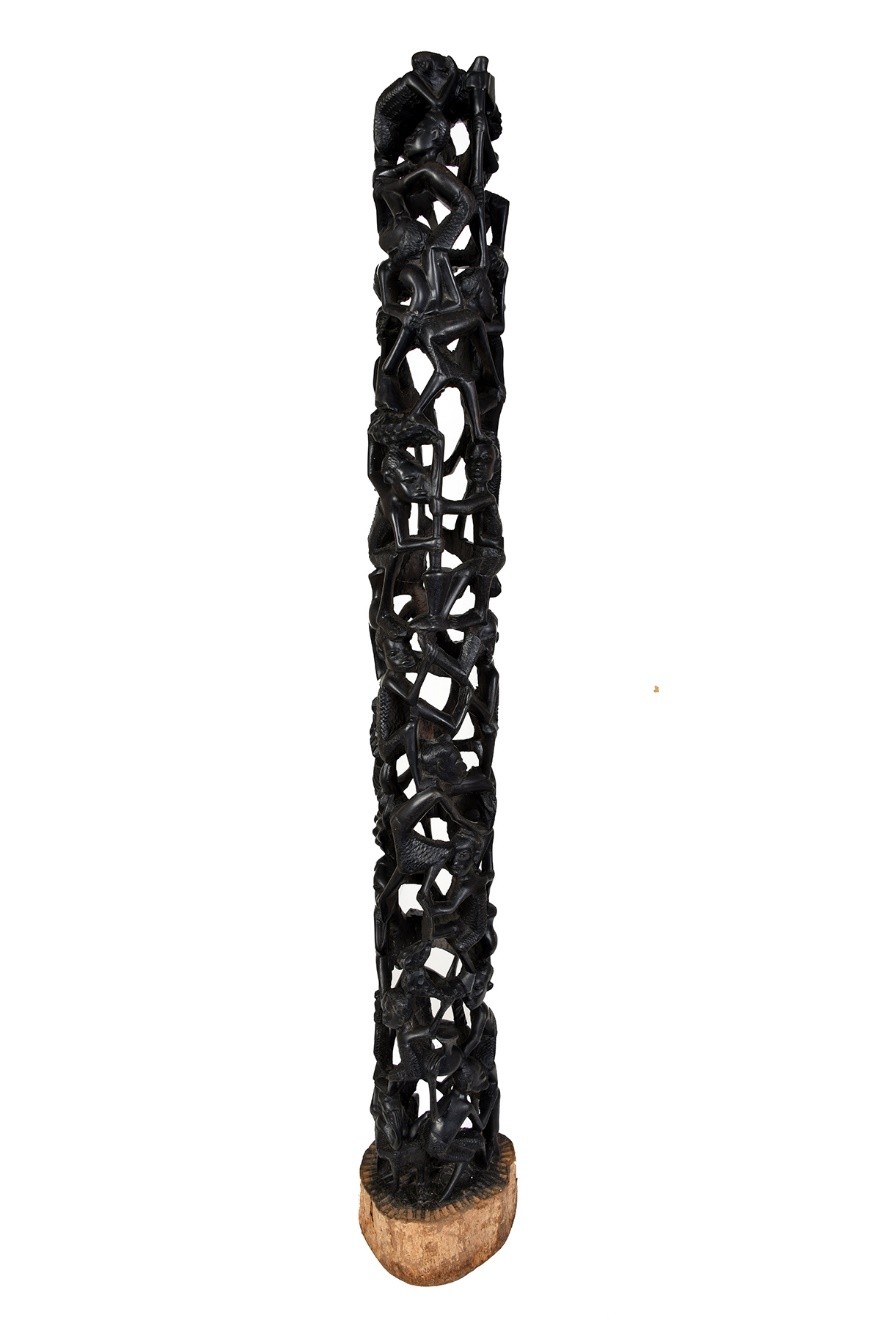
We work with artisans who painstakingly integrate these symbols, ensuring that every piece, like a Makonde Tree of Life, carries its profound message. It’s not just about looking good; it’s about conveying generations of accumulated knowledge.
Regional Flavours: Diverse African Art Styles Across the Continent
As I mentioned, Africa isn’t one place. Its artistic tapestry is woven from thousands of threads, each region boasting distinct styles and traditions. Let’s touch on a few to give you a flavour of this incredible diversity.
West African Art: The Cradle of Iconic Forms
West Africa is arguably where many of the most globally recognized African paintings art styles originated. Think of the Yoruba from Nigeria with their intricate beadwork and bronze castings, or the Ashanti from Ghana with their Kente cloth and gold weights. The Dogon from Mali are famous for their elongated wooden figures and masks. These styles often feature bold, geometric shapes and deep spiritual significance. The level of detail and craftsmanship is often mind-blowing.
Central African Art: Spiritual Depth and Abstract Beauty
Moving into Central Africa, you find groups like the Kuba from the Democratic Republic of Congo, known for their elaborate textiles (Kasai velvet) and intricate wooden cups. The Songye, also from DRC, are famous for their powerful Nkisi power figures, often adorned with metals and ritual substances. These pieces frequently deal with protection, healing, and ancestral power. The abstract forms often hide complex spiritual beliefs.
East African Art: From Ancient Rock Art to Makonde Mastery
East Africa has a rich, often overlooked, artistic heritage. Tanzania, for instance, is home to incredible ancient rock art sites like Kondoa. More recently, the Makonde people, found in Tanzania and Mozambique, are celebrated for their highly distinctive carvings. Their Ujamaa or Tree of Life sculptures, with their intertwined figures, are a testament to community and family unity. Their Shetani (spirit) figures are also unique – surreal, often whimsical, and deeply tied to their spiritual world. It’s a very different vibe from West Africa, but equally profound.
Southern African Art: Indigenous Wisdom and Contemporary Narratives
Southern Africa is another powerhouse. The San people’s ancient rock art, depicting wildlife and spiritual journeys, is among the oldest in the world. In more modern times, artists here grapple with the legacy of apartheid and the complexities of modern nation-building. Contemporary artists from South Africa, for example, are making waves internationally with vibrant paintings and mixed-media works that combine traditional narratives with pressing social commentary.
Why Should You Invest in African Paintings & Art Styles?
Beyond the sheer aesthetic pleasure, collecting or simply appreciating African art is a powerful statement. It’s an investment in culture, in history, and in the continuation of incredible craftsmanship.
Here’s why I think it’s a no-brainer:
- Cultural Connection: You bring a piece of living history and deep cultural significance into your space. It’s a conversation starter, always.
- Unique Aesthetic: African art offers a distinctive look that can elevate any interior, blending seamlessly with both minimalist and maximalist styles.
- Ethical Sourcing: When you buy from places like Moshaki, you support fair trade practices, local artisans, and sustainable methods. You’re not just buying art; you’re investing in communities.
- Meaningful Gift: A piece of African art is a profoundly thoughtful gift, carrying layers of meaning that mass-produced items simply cannot.
- Appreciation for Craftsmanship: These are often handmade pieces, requiring immense skill and dedication. In a world of fast fashion and disposable goods, this is a breath of fresh air.
I mean, honestly, why wouldn’t you want to surround yourself with pieces that tell a story, that have soul? It’s not just about filling a void on your wall; it’s about enriching your life and your understanding of the world.
Frequently Asked Questions About African Paintings & Art Styles
What are the main characteristics of traditional African art?
Traditional African art is typically functional, symbolic, and deeply integrated into spiritual and social life. It often features bold, abstract, or stylised forms, exaggerated features, and is made from natural materials like wood, clay, and pigments. The focus is less on realistic representation and more on conveying meaning and emotion.
How can I tell if an African art piece is authentic?
Authenticity can be complex. Look for signs of age and wear consistent with its material and purported use. Research the specific ethnic group’s traditional styles and materials. Reputable dealers, like Moshaki, provide provenance and work directly with artisans, ensuring genuine, handcrafted pieces that honour their cultural origins.
Is contemporary African art different from traditional African art?
Yes, but they are interconnected. Contemporary African art often draws heavily on traditional motifs, symbolism, and techniques but uses them to explore modern themes, social commentary, and personal expression. It embraces a wider range of mediums and global influences while still maintaining a distinct African identity.
Where can I buy authentic African paintings and art styles?
You can find authentic African art from specialized galleries, reputable online stores like Moshaki (who prioritise fair trade and artisan support), and directly from artists or markets in Africa. Always ensure the seller provides information about the piece’s origin and ethical sourcing.
What are some popular African art styles?
Some widely recognised styles include the masks and figures of the Dogon, Yoruba, and Bwa tribes of West Africa; the power figures and textiles of the Kuba and Songye from Central Africa; and the distinctive Makonde carvings (like the Tree of Life and Shetani figures) from East Africa. Contemporary African art encompasses an even broader range of styles from artists across the continent.
Bringing African Art into Your World
So, there you have it. The world of African Paintings Art Styles is vast, rich, and utterly captivating. It’s a journey through history, spirituality, and boundless human creativity. Whether you’re drawn to the ancient wisdom embedded in a ceremonial mask or the bold statements of modern abstract art, there’s something here for everyone.
At Moshaki, we’re passionate about bringing these stories to you. Every piece we curate, whether it’s a hand-carved sculpture or a piece of decor, is chosen because it embodies quality, heritage, and style. We ensure fair wages, safe conditions, and sustainable practices for the skilled artisans who pour their heart into every creation. This isn’t just business; it’s purpose. We believe in design with purpose.
Ready to explore further and perhaps find a piece that speaks to your soul? Visit our Arts & Artifacts collection. You might just find that perfect piece that transforms your space and tells a story for generations to come.
“`