

Alright, let’s get straight to it. If you’re serious about understanding art, especially art that *moves* you, then you simply cannot ignore the sheer **craftsmanship African sculptures** embody. We’re not just talking about pretty objects here; we’re talking about tangible history, spirit, and an unparalleled dedication to the material. As someone who appreciates real value, I’ve always found that the true magic in African sculpture isn’t just in the finished piece, but in the hands that shaped it, the stories it tells, and the generations of knowledge passed down. Stick with me, and I’ll break down why these pieces aren’t just décor; they’re a masterclass in human ingenuity.
What Makes the Craftsmanship Behind African Sculptures So Unique?
Look, anyone can hack at a piece of wood, right? But creating an African sculpture? That’s an entirely different beast. What sets this art form apart is the blend of raw material, traditional tools, and an almost spiritual connection between the artisan and their work. It’s not about mass production; it’s about a singular vision brought to life, one painstaking chip at a time.
Think about the sheer variety: from the stoic, elongated figures of the Makonde to the intricate, symbolic masks of West Africa. Each region, each tribe, even each carver, brings a unique dialect to this universal language of wood, metal, or stone. They’re not just making art; they’re preserving history, telling ancestral stories, and encapsulating cultural identity in every curve and contour.
What you see in the final form is a direct result of centuries of inherited techniques. Imagine working with rudimentary tools – adzes, chisels, knives – yet achieving such incredible detail and smoothness. That’s not just skill; that’s mastery born from deep respect for the craft and the material. It’s why you can look at a piece and *feel* the human touch, the deliberate intention behind every mark.
The Journey from Raw Material to Masterpiece: How Are African Sculptures Made?
Let me tell you, it’s a process. It’s not quick, it’s rarely easy, and it demands absolute focus. Here’s how it generally goes down:
-
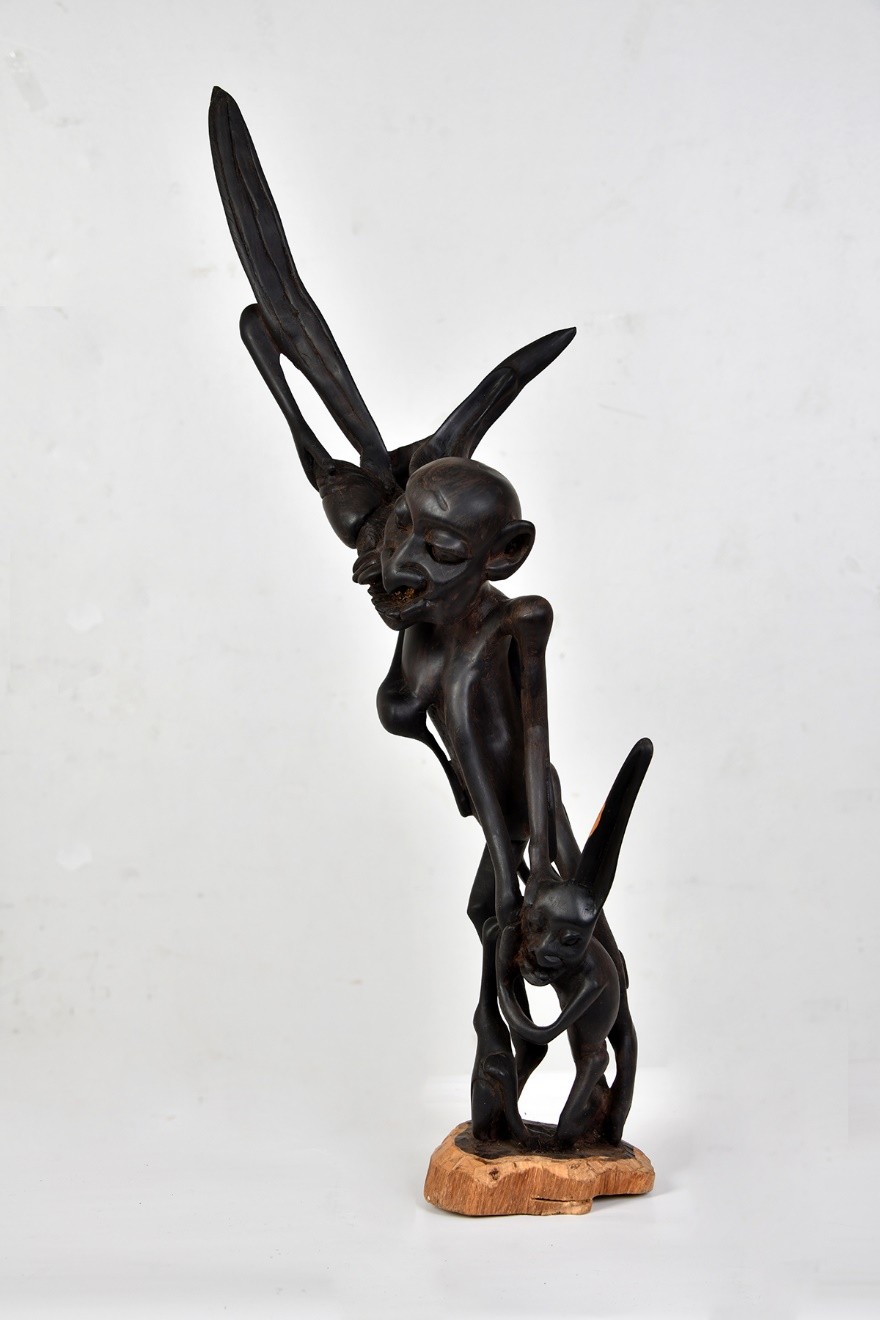
Material Selection: It all starts with the right wood. Ebony, mahogany, iroko – each has its own character, grain, and hardness. An artisan doesn’t just pick any tree; they select a tree that speaks to them, one that they know will yield to their vision yet retain its inherent strength. They’re looking for timber that will not only survive the carving process but will also stand the test of time, just like this Hand-Carved Hardwood “Man in Thought” Sculpture, which exemplifies thoughtful material choice.
-
Roughing Out: This is where the basic form emerges. Using an adze – a tool with an axe-like blade set at right angles to the handle – the carver removes large chunks of wood. It’s a rhythmic, powerful process, turning a log into something resembling a figure. It takes immense strength and a clear mental blueprint of the final shape.
-
Detailing the Form: Once the general shape is established, smaller chisels and knives come into play. This is where the magic happens. Facial features, limbs, specific postures – every detail is painstakingly refined. It’s a dance between precision and patience. The artisan isn’t just cutting wood; they’re revealing the form that was, in their mind, already there.
-
Sanding and Smoothing: You want a smooth finish? That’s hours of work. Traditional methods involve using rough leaves, sand, or even glass fragments to gradually smooth the surface. This prepares the sculpture for its final treatments, giving it that tactile quality you can’t help but appreciate.
-
Finishing Touches: This is often the most personal part. Natural pigments, oils, and sometimes even burnt surfaces are used to enhance the wood’s natural beauty or to add symbolic colour. Think of the deep, rich sheen of an African ebony sculpture – that’s not accidental; it’s the result of carefully applied finishes that bring out the wood’s inherent elegance. Or consider the intricate beadwork and cowrie shells on ceremonial pieces, each chosen for its cultural significance and aesthetic impact.
It’s a demanding process, one that requires not just physical labour but profound artistic insight. Each stage builds on the last, culminating in a piece that is far more than just wood; it’s a testament to the artisan’s vision and the enduring power of their heritage.
Why Does the Craftsmanship Behind African Sculptures Matter Today?
Alright, let’s be real. In a world awash with mass-produced, disposable stuff, why should you care about a piece of wood carved by hand? Because **craftsmanship African sculptures** offer something that modern manufacturing simply cannot: authenticity, soul, and a connection to something much larger than ourselves. This isn’t just about art; it’s about purpose.
For us at Moshaki, this is fundamental. We’re in the business of celebrating timeless design and African heritage. Every piece we curate, whether it’s clothing or art, tells a story. When you invest in a hand-carved African sculpture, you’re not just buying an object; you’re buying into a lineage of skill, a commitment to fair trade, and a direct link to the artisan who poured their soul into it. It’s about more than just aesthetics; it’s about supporting sustainable practices and empowering local communities. This is design with purpose. You’re supporting a system where quality and heritage are valued above all else.
These aren’t just decorative items; they are investments in cultural preservation. Each sculpture is a tangible link to ancestral knowledge, storytelling, and spiritual beliefs. Take, for example, the intricate Makonde Tree of Life sculpture. It’s not merely a beautiful carving; it’s a powerful symbol of family unity and generational support. When you bring such a piece into your home, you’re not just decorating; you’re making a statement about valuing human skill, cultural depth, and the stories that bind us together.
Beyond Aesthetics: The Stories Carved into African Art
If you think African sculptures are just “pretty things” to put on a shelf, you’re missing the entire point. Every single groove, every polished surface, every deliberate imperfection tells a story. These aren’t just forms; they’re narratives, spiritual conduits, and historical records carved in tangible form.
Many sculptures served specific societal roles: protecting communities, honouring ancestors, or marking rites of passage. They embody profound symbolism, often representing fertility, wisdom, courage, or the balance between the spiritual and physical worlds. The facial expressions, body postures, and even the type of wood used can convey layers of meaning that connect us directly to the beliefs and values of the people who created them.
For instance, an abstract figure might represent an ancestral spirit, while an animal carving could symbolise a specific virtue like strength or cunning. These aren’t just inert objects; they’re active participants in cultural life, rich with a history that predates the very concept of “art for art’s sake.” They challenge you to look deeper, to understand the context, and to appreciate the profound thought that went into their creation.
How Do I Identify Authentic African Sculpture Craftsmanship?
Alright, so you’re looking to get your hands on some genuine African craftsmanship. Good call. But how do you separate the real deal from the tourist trap trinkets? It’s simpler than you might think, once you know what to look for. Think of it like buying a quality watch – you look for the tells, the details that scream authenticity.
Here are a few pointers to ensure you’re getting a piece that truly honours the artisan:
-
Look for Tool Marks: Genuine hand-carved pieces will often show subtle, irregular tool marks. These aren’t flaws; they’re signatures. A machine-made piece will be too perfect, too uniform. You want to see the human touch, the slight variations that confirm it was shaped by hand, not by a factory.
-
Examine the Wood Grain: Real wood, especially hardwoods like ebony or mahogany, has a unique grain. If it looks too uniform, too painted-on, or feels overly light and flimsy, you’re likely looking at a replica or a piece made from cheaper, less durable material.
-
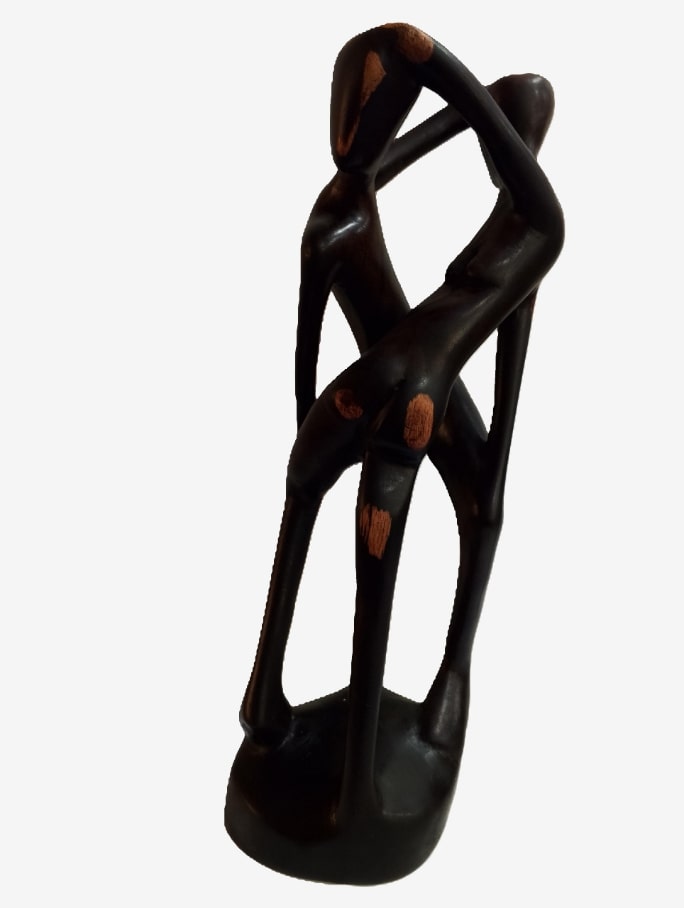
Feel the Weight and Texture: Authentic African hardwood sculptures, like this Hand-Carved African Couple Sculpture, have a substantial weight. They feel solid in your hand. The texture, even when polished, should retain some organic feel, not a plastic-like smoothness.
-
Check for Natural Imperfections: Don’t shy away from minor cracks or natural blemishes in the wood. These are often signs of age and the natural material, rather than poor quality. Historically, masks and figures used in ceremonies might show wear and tear from their active life, adding to their story and authenticity.
-
Ask About Provenance: A reputable seller should be able to tell you about the origin of the piece, the tribe, the materials, and even the carver if known. This isn’t just about history; it’s about transparency and supporting ethical trade. We, at Moshaki, pride ourselves on providing that connection, ensuring that every piece promotes fair wages and sustainable practices.
-
Observe the Details: Is the symbolism clear? Are the adornments (like beads or shells) integrated thoughtfully, or do they look haphazard? Genuine pieces usually have a cohesive design where every element serves a purpose, whether aesthetic or symbolic.
Ultimately, trust your gut. If a piece feels mass-produced or lacks character, it probably is. The best way to learn is to immerse yourself in quality pieces and see the difference for yourself. Visit reputable galleries, read up on specific tribal art forms, and educate your eye. That’s how you build true appreciation.
Frequently Asked Questions About African Sculpture Craftsmanship
What materials are commonly used in African sculptures?
Traditionally, African sculptures are carved from a variety of hardwoods such as ebony, mahogany, iroko, and kapok. Other materials include terracotta, bronze, ivory, and sometimes natural pigments, beads, or cowrie shells for adornment. The choice of material often depends on regional availability and symbolic meaning.
How long does it take to create an African sculpture?
The time taken can vary massively. A small, simple carving might take a few days, while larger, highly intricate pieces with fine detailing could take weeks or even months to complete. It’s a labour-intensive process that cannot be rushed, requiring skill, patience, and a deep understanding of the material.
What role does symbolism play in African sculptures?
Symbolism is absolutely central. Most African sculptures are not merely decorative; they serve to represent spiritual beliefs, ancestors, social roles, or cultural narratives. Every feature—from an elongated neck to a specific animal motif—carries layers of meaning, connecting the viewer to the rich cultural context of its origin.
Where can I find ethically sourced African sculptures?
Finding ethically sourced pieces means looking for reputable dealers who prioritise fair trade practices and direct relationships with artisans. Businesses like Moshaki are committed to ensuring fair wages, safe conditions, and community investment, allowing you to collect beautiful art while supporting local craftsmanship responsibly. You can explore our collection of authentic, handcrafted artefacts and décor at Moshaki Arts & Artifacts.
How can I care for my African sculpture?
Most wooden sculptures require minimal care. Keep them out of direct sunlight and away from extreme temperature changes or excessive moisture to prevent cracking or warping. Dust gently with a soft, dry cloth. Periodically, you can apply a natural wood oil or beeswax to maintain its sheen and protect the wood.
Bringing the Art of the Hand Home
So, there you have it. The **craftsmanship African sculptures** embody is more than just impressive; it’s a testament to human resilience, creativity, and the enduring power of cultural heritage. We’re talking about pieces that carry stories, spirits, and the unwavering dedication of artisans who pour their lives into their work. These aren’t just objects; they’re investments in history, in culture, and in supporting a vibrant legacy that truly matters.
At Moshaki, we’re committed to connecting you with these incredible pieces, ensuring every stitch, every carving, and every brushstroke reflects heritage, artistry, and care. It’s design with purpose for those who value quality, heritage, and style. Don’t just decorate your space; enrich it with art that speaks volumes.
Connect with Moshaki
Ready to discover your next heritage piece? Reach out to us or visit our collection.
The Office:
Mikocheni Rose Garden Road – Vunjabei, Kinondoni, Dar es Salam
Phone Number:
+255 655 220 387
Contact Information:
info@moshaki.com
Our Business Hours:
Monday – Friday: 8am – 4pm
Saturday – Sunday: 9am – 5pm
Useful links: https://moshaki.com/arts-artifacts/