

Masterpieces in Form: Exploring African Sculptures & Craftsmanship
Let’s be frank: when we talk about true artistry, about pieces that don’t just sit there but speak to you, we have to talk about African Sculptures Craftsmanship. This isn’t just about pretty objects; it’s about history, soul, and a level of skill that’ll make you rethink what ‘handmade’ truly means. Here at Moshaki, we’re not just curating art; we’re celebrating a legacy. So, grab a brew, and let’s dive into what makes these pieces absolute game-changers.
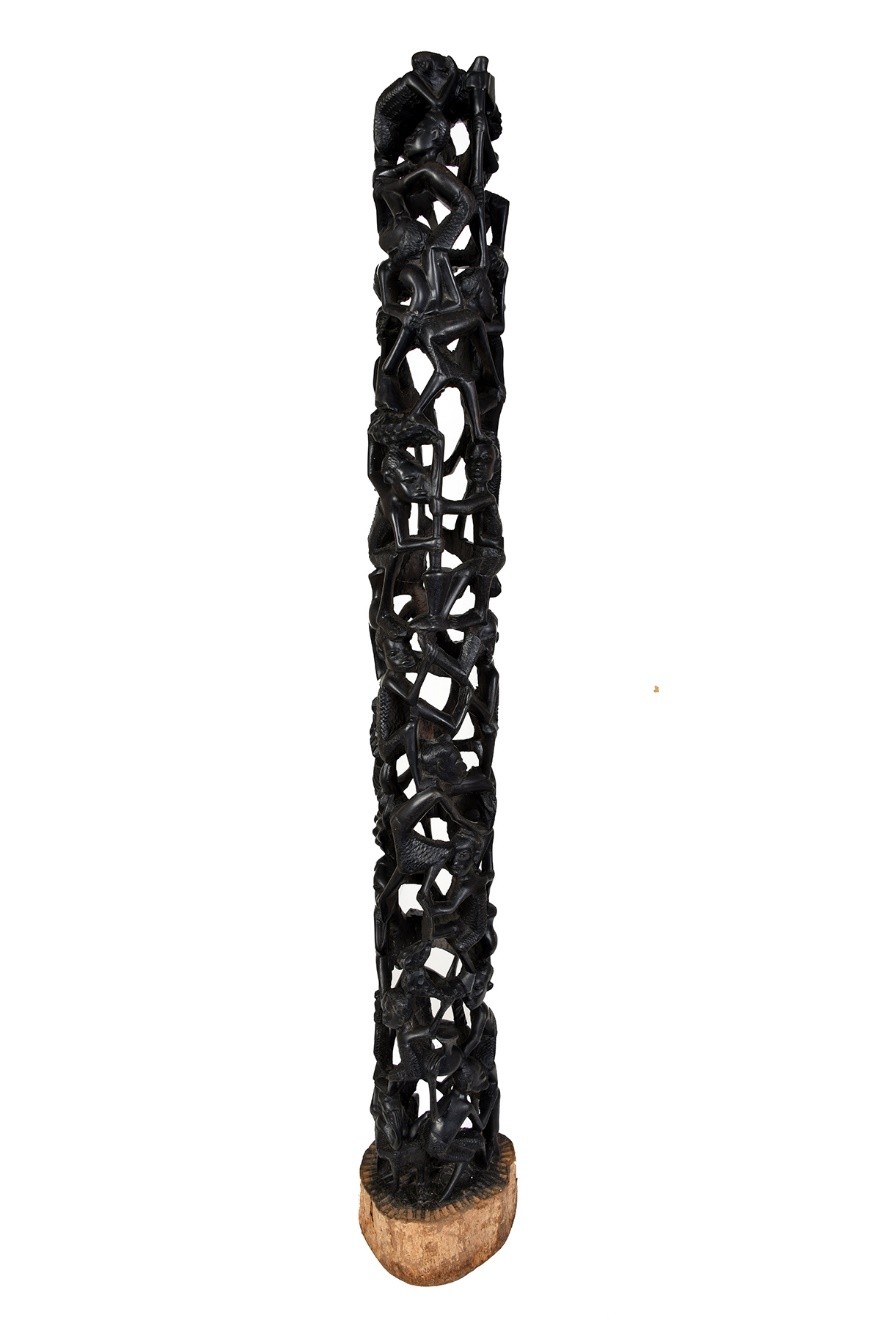
My journey into African art started years ago. I remember seeing a Makonde ‘Tree of Life’ sculpture for the first time. It wasn’t just wood; it was a story, generations intertwined, a visual representation of community. That’s the power we’re discussing today. It’s not just a sculpture; it’s a condensed philosophy, a piece of living heritage. And honestly, once you see it, you can’t unsee it. That’s the impact these pieces have.
What Defines Authentic African Sculptures Craftsmanship?
When I say “authentic,” I’m not just talking about something made in Africa. I’m talking about pieces that carry the weight of tradition, the whisper of ancestral knowledge, and the undeniable touch of a master artisan. This isn’t factory-line stuff; this is passion forged in wood, metal, or clay. It’s about knowing the material, understanding its spirit, and coaxing a story out of it.
For centuries, African societies have produced sculptures that are far more than decorative. These pieces serve crucial roles in rituals, storytelling, social commentary, and preserving cultural identity. Each carve, each stroke, each patination tells a story—a narrative of the people, their beliefs, and their environment. It’s a direct connection to the heart of a continent that has influenced art worldwide, often without getting the credit it deserves.
The Art of Storytelling Through Form and Symbolism
Every single piece of traditional African sculpture is a language unto itself. It’s a visual vocabulary, where lines, shapes, and figures communicate complex ideas. Take, for instance, a fertility figure. It’s not just a depiction of a person; it embodies hopes for abundant harvests, strong lineages, and community prosperity. The symbolism runs deep, often understood implicitly by the communities that create and interact with these objects daily.
It’s this narrative quality that separates a truly masterful piece from a mere trinket. It’s why a Hand-Carved African Ebony Wood Sculpture can feel so profound. The artist isn’t just carving; they’re narrating. They’re telling tales of spirits, ancestors, the rhythm of life, and the wisdom of the elders. This tradition of storytelling through art is alive and well, passed down through generations, each artisan adding their unique voice while honouring the past.
Exploring Diverse Artistic Expressions in African Sculptures
Africa is a vast continent, a tapestry of countless cultures, languages, and artistic traditions. To talk about “African sculpture” as a single entity is like talking about “European art” – it misses the incredible diversity. From the stylized masks of West Africa to the intricate figures of East Africa, the range is astounding. Each region, each tribe, has developed its unique aesthetic, its own methods, and its distinct philosophical underpinnings.
Think about the geometric precision of a Kuba mask from Central Africa, or the raw, emotive power of a Fang reliquary figure. Then consider the fluid, modernist abstraction seen in many contemporary pieces from Tanzania. It’s a spectrum of creativity that continues to evolve, constantly drawing on ancient roots while embracing new forms and ideas. This constant dialogue between tradition and innovation is what keeps African art vibrant and relevant.
The Iconic Makonde: Masters of Abstract and Figurative Carvings
When we talk about specific examples of incredible skill, the Makonde people of Tanzania and Mozambique immediately come to mind. Their Tree of Life sculptures, known locally as Ujamaa, are simply breathtaking. These aren’t just carvings; they are living narratives in wood, often reaching impressive heights, with countless figures intricately woven together, each representing a member of a family or community, supporting one another.
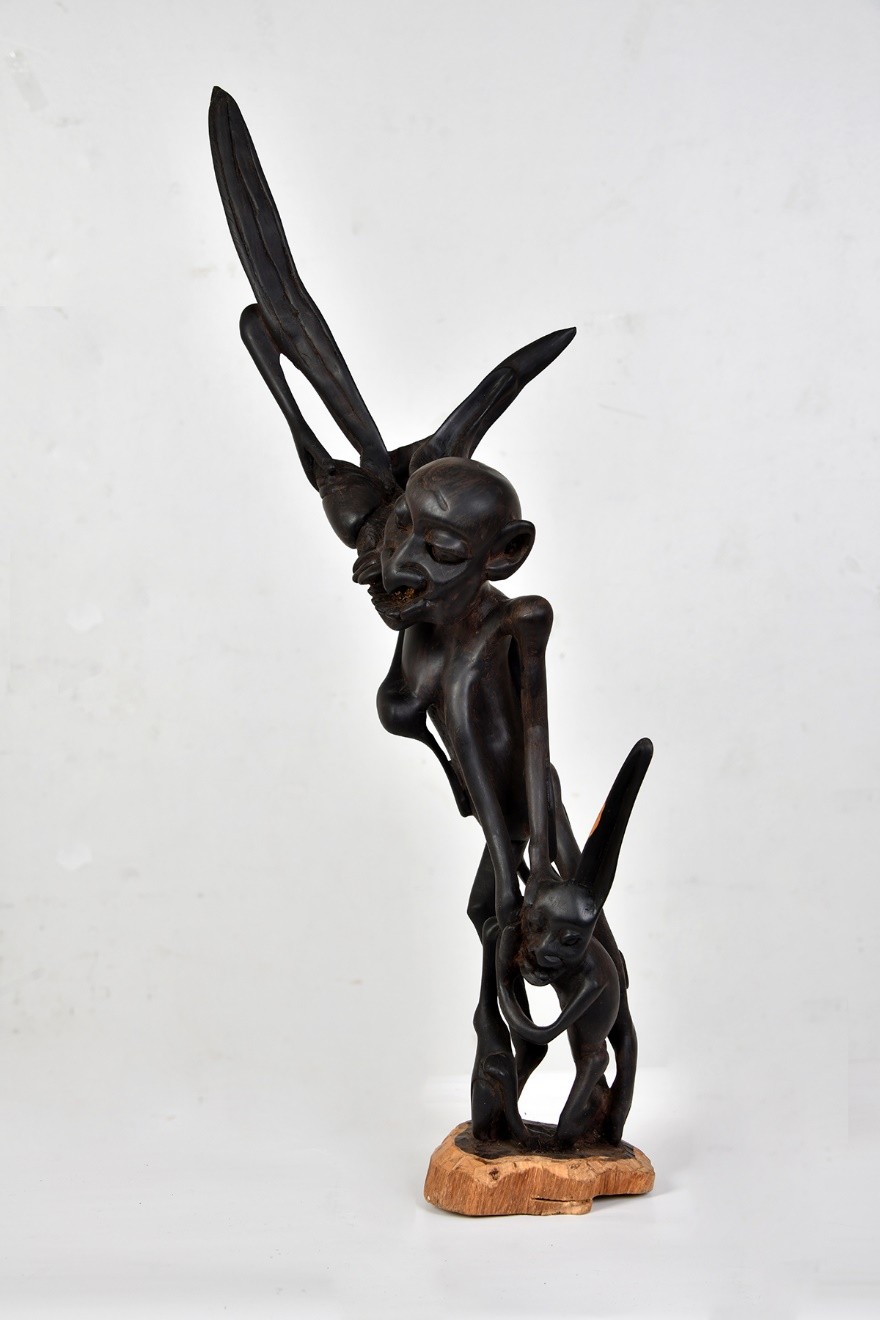
But the Makonde aren’t just about communal unity. Their Shetani (spirit) figures are a whole other ball game. These surreal, often grotesque, and always imaginative carvings depict spirits that exist between the seen and unseen worlds. They are wild, fantastical, and demonstrate an astonishing freedom of expression that challenges conventional notions of beauty and form. It’s pure, unadulterated creativity, carved into enduring hardwood.
Why Does African Sculptures Craftsmanship Matter Today?
In a world of mass production and fleeting trends, the value of true craftsmanship cannot be overstated. African sculpture reminds us of the power of the human hand, the enduring spirit of creativity, and the importance of cultural continuity. These pieces are not just relics; they are living testaments to human ingenuity and resilience. They’re investments, not just in décor, but in stories, in heritage, and in a craft that respects both nature and tradition.
We, at Moshaki, believe that every home deserves a piece of that story. We curate pieces that aren’t just aesthetically pleasing but are ethically sourced, supporting the artisans directly. It’s about more than just buying art; it’s about connecting with a global community, valuing fair trade, and promoting sustainability. It’s about bringing a piece of profound history and artistic excellence into your personal space.
How Can You Incorporate African Sculptures into Modern Living?
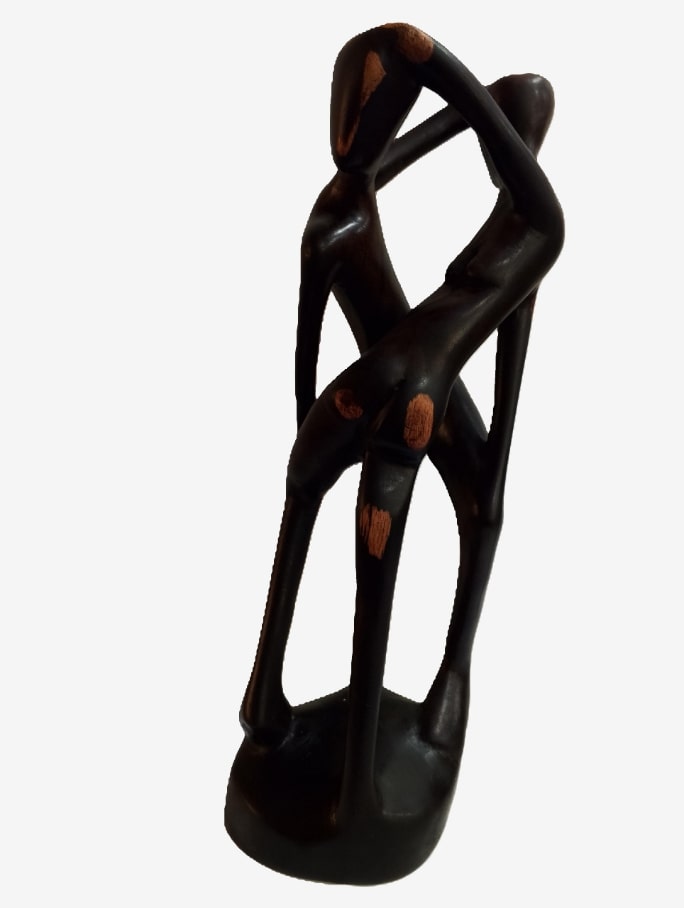
You might be thinking, “These sound amazing, but how do they fit into my modern apartment?” Great question. The beauty of authentic African craftsmanship is its timelessness. These aren’t just tribal pieces; they’re masterworks that transcend era and style. Imagine a minimalist living room, suddenly given soul and gravity by a striking Hand-Carved African Couple Sculpture, its ebonised wood contrasting beautifully with light walls. It’s a focal point, a conversation starter, a piece that adds depth without clutter.
- Statement Piece: A large mask or sculpture can anchor a room, drawing the eye and adding a powerful cultural statement.
- Layered Aesthetics: Blend smaller figurines with contemporary books and decor on a bookshelf for an eclectic, well-travelled look.
- Harmonious Contrasts: The earthy tones and organic forms of wooden sculptures provide a beautiful counterpoint to sleek, modern furniture.
- Outdoor Spaces: Certain weather-resistant carvings can add an exotic, grounded feel to patios or garden spaces.
The trick is to treat these pieces not just as objects, but as characters in your home’s story. Let them breathe. Give them space. They’ll do the rest, infusing your environment with an energy you simply can’t get from mass-produced items.
The Moshaki Promise: Quality, Heritage, and Style
At Moshaki, our mission is simple: celebrate timeless design and African heritage. We’re not just selling products; we’re offering connections. Connections to skilled artisans, to rich cultural traditions, and to pieces that carry a profound sense of purpose. We’re committed to:
- Environmental Stewardship: Prioritizing low-impact fabrics, sustainable packaging, and eco-conscious production methods.
- Social Responsibility: Working directly with artisans to ensure fair wages, safe conditions, and lasting community investment.
- Quality & Craftsmanship: Every stitch, carving, and brushstroke reflects heritage, artistry, and care that goes beyond fleeting trends.
When you choose a piece from Moshaki, you’re not just acquiring an object; you’re investing in a legacy. You’re supporting a philosophy that values the human touch, sustainable practices, and the rich tapestry of African creativity.
Frequently Asked Questions About African Sculptures & Craftsmanship
What materials are commonly used in African sculptures?
African sculptures predominantly use natural, locally sourced materials. Common choices include various hardwoods (such as ebony, iroko, and kapok), terracotta, bronze, brass, and occasionally stone. Adornments like cowrie shells, beads, metals, and natural pigments are also frequently incorporated, adding layers of meaning and aesthetic appeal.
What is the cultural significance of African masks?
African masks are powerful cultural artefacts, far beyond simple decorations. They are primarily used in rituals, ceremonies, and dances to embody spirits, ancestors, or mythical beings. Masks play vital roles in initiation rites, harvest festivals, funerals, and social control, acting as a bridge between the human and spiritual worlds, often bringing healing or conveying historical narratives.
How can I identify authentic African craftsmanship?
Authentic African craftsmanship often displays a unique hand-carved quality, with subtle imperfections that reveal the artisan’s touch. Look for natural materials, traditional motifs, and a sense of depth and character that mass-produced items lack. Reputable dealers, like Moshaki, also provide provenance and uphold fair trade practices, ensuring authenticity and ethical sourcing.
Are African sculptures suitable for modern home decor?
Absolutely! The timeless beauty and powerful forms of African sculptures blend seamlessly with modern and minimalist interiors. Their organic textures, rich colours, and symbolic depth can add a unique focal point, a sense of history, and a touch of global sophistication to any contemporary space. It’s about creating contrast and introducing a story.
Where can I learn more about African art and culture?
To deepen your understanding, explore reputable museums with African art collections, such as the British Museum or the National Museum of African Art. Online resources, academic journals, and cultural centres also offer invaluable insights. For authentic pieces that bring this heritage into your home, Moshaki offers a curated selection of African sculptures and artefacts.
Final Thoughts on African Sculptures Craftsmanship
Look, the bottom line is this: African Sculptures Craftsmanship isn’t just an art form; it’s a profound declaration of identity, resilience, and ingenuity. It’s about impact. These pieces aren’t just pretty things to put on a shelf; they’re conversation starters, soul-stirring artefacts that carry centuries of wisdom and stories. They demand attention, they evoke emotion, and they connect us to something much bigger than ourselves.
When you invest in African art, you’re not just buying wood or bronze; you’re buying into a legacy. You’re supporting artists who pour their lives into these creations, preserving traditions that have shaped entire communities. And you’re bringing a piece of that powerful, undeniable energy into your own space. That, my friend, is a smart move. It’s art with purpose, and frankly, there’s not enough of that around.
If you’re ready to explore this incredible world further, or perhaps find a piece that speaks to your own journey, feel free to reach out to us at Moshaki. We’re always happy to share our passion and expertise.
The Office
Mikocheni Rose Garden Road – Vunjabei, Kinondoni, Dar es Salam
Phone Number
+255 655 220 387
Contact Information
info@moshaki.com
Our Business Hours
Monday – Friday: 8am – 4pm
Saturday – Sunday: 9am – 5pm
Useful links: https://moshaki.com/arts-artifacts/