

Artisan Empowerment Africa: The Real Story Behind the Craft
Right, let’s cut to the chase. You want to know about Artisan Empowerment Africa? It’s not just some buzzword we throw around. It’s the bedrock of everything we do here at Moshaki, and frankly, it should be the standard for anyone serious about ethical business. I’m talking about real people, real skills, and real impact. Forget the fluff; this is about legacy, dignity, and damn good craftsmanship.
I’ve seen firsthand the sheer talent flowing from African artisans. Their hands tell stories generations old, weaving cultural narratives into every stitch, carve, and brushstroke. But talent alone doesn’t put food on the table or send kids to school. That’s where Moshaki comes in – and where the true power of artisan empowerment starts making a difference.
What Does Artisan Empowerment in Africa Actually Mean?
When we talk about artisan empowerment, what are we really getting at? It’s simple, but profound. It means giving skilled craftspeople the power, resources, and fair compensation they deserve. It’s about shifting the narrative from charity to partnership, from exploitation to equity. For us at Moshaki, it’s a commitment, not a marketing gimmick.
Think about it. These artisans are the custodians of ancient crafts, techniques passed down through oral tradition and practical application. They’re creating pieces that hold immense cultural value and beauty. Yet, historically, many have been undervalued, underpaid, and disconnected from global markets that would pay a premium for their unique work. Empowerment corrects that imbalance.
How Do Fair Trade Initiatives Drive Artisan Empowerment?
Fair trade isn’t a suggestion; it’s a non-negotiable principle. It’s the mechanism that translates raw talent into tangible improvements in people’s lives. Here’s how it works on the ground:
- Fair Wages: This is step one. Pay people what their skill and time are worth. Not minimum wage, but a living wage that reflects their expertise and allows for a decent quality of life.
- Safe Conditions: No one should risk their health for a paycheck. We ensure safe, respectful working environments, free from hazardous materials or exploitative practices.
- Direct Sourcing: Cut out the middlemen. When we source directly from artisans or their cooperatives, more of the money goes where it belongs: into their pockets and communities.
- Transparency: We believe you have a right to know where your products come from and who made them. Transparency builds trust, and trust builds sustainable relationships.
- Skill Development: Empowerment isn’t just about paying fairly today; it’s about investing in tomorrow. We support training initiatives that help artisans refine their skills, innovate, and even pass on their knowledge to the next generation.
This isn’t rocket science. It’s basic human decency and smart business. When artisans thrive, their communities thrive, and the quality of their work elevates. Everyone wins.
Stories From the Heart: Real Impact of Ethical Craftsmanship
Let me tell you, it’s one thing to talk about principles, and another to see them in action. We work with incredible artisans across Africa, from the Makonde carvers of Tanzania and Mozambique to textile artists who preserve age-old dyeing techniques. Their stories are powerful, and they’re proof that ethical craftsmanship changes lives.
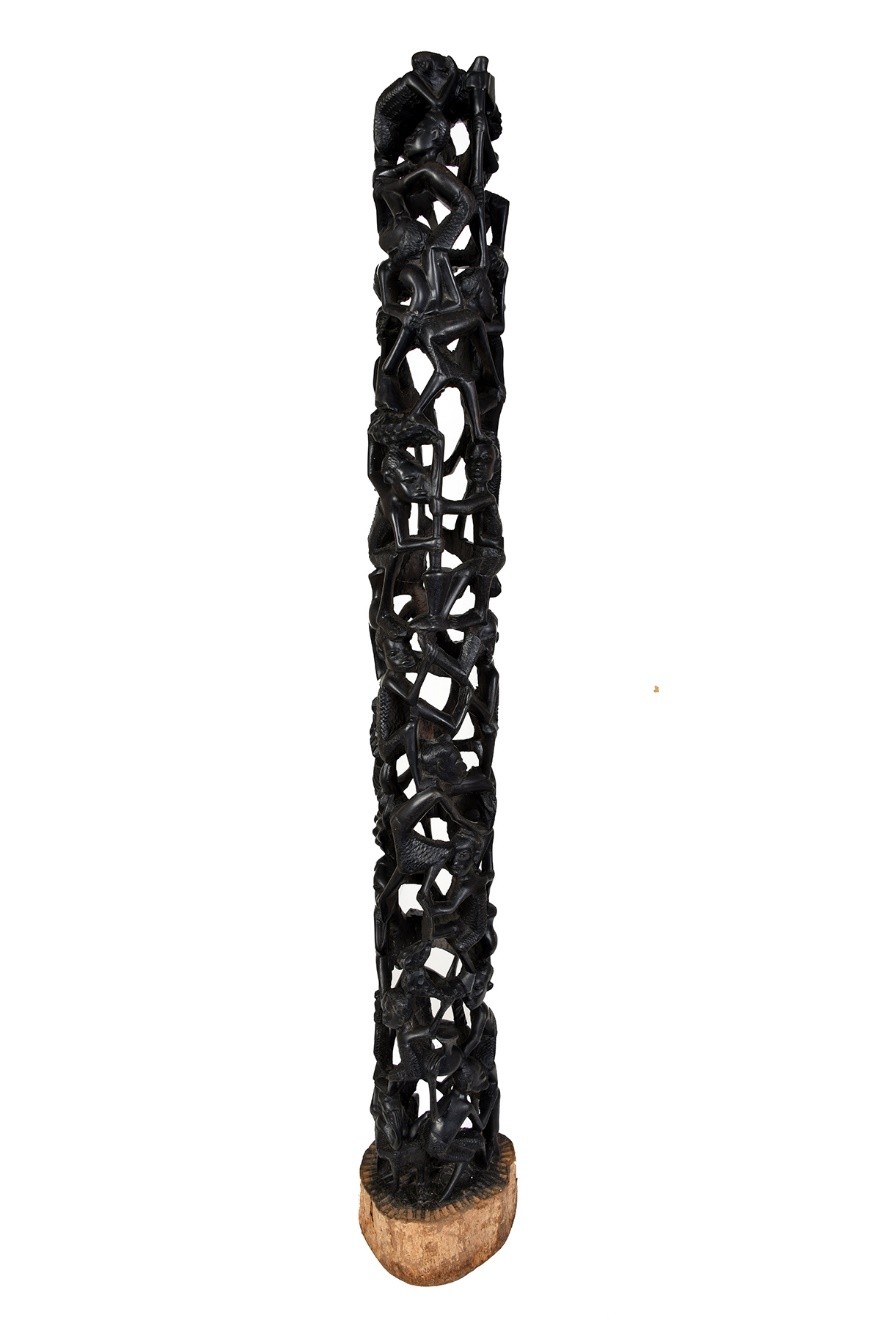
Take the Makonde carvers, for instance. Their “Tree of Life” sculptures are iconic, a complex intertwining of figures symbolising family, unity, and generational support. When you see a Makonde Tree of Life Sculpture, you’re not just looking at a piece of wood; you’re witnessing a cultural epic. For generations, these skills have been their heritage, but fair trade makes it their future. Artisans can now invest in better tools, ensuring their children have access to education, and strengthening the entire community’s infrastructure. It’s a virtuous cycle.
Or consider the abstract sculptures that tell universal stories. Like this Hand-Carved “Man in Thought” Sculpture. Simple, elegant, profound. The artisan who created this piece isn’t just a carver; they’re a philosopher, translating deep introspection into tangible form. Through fair compensation, they gain the freedom to explore their creativity fully, without the crushing pressure of poverty. This allows them to create more, innovate more, and ultimately, share more of their profound artistic vision with the world.
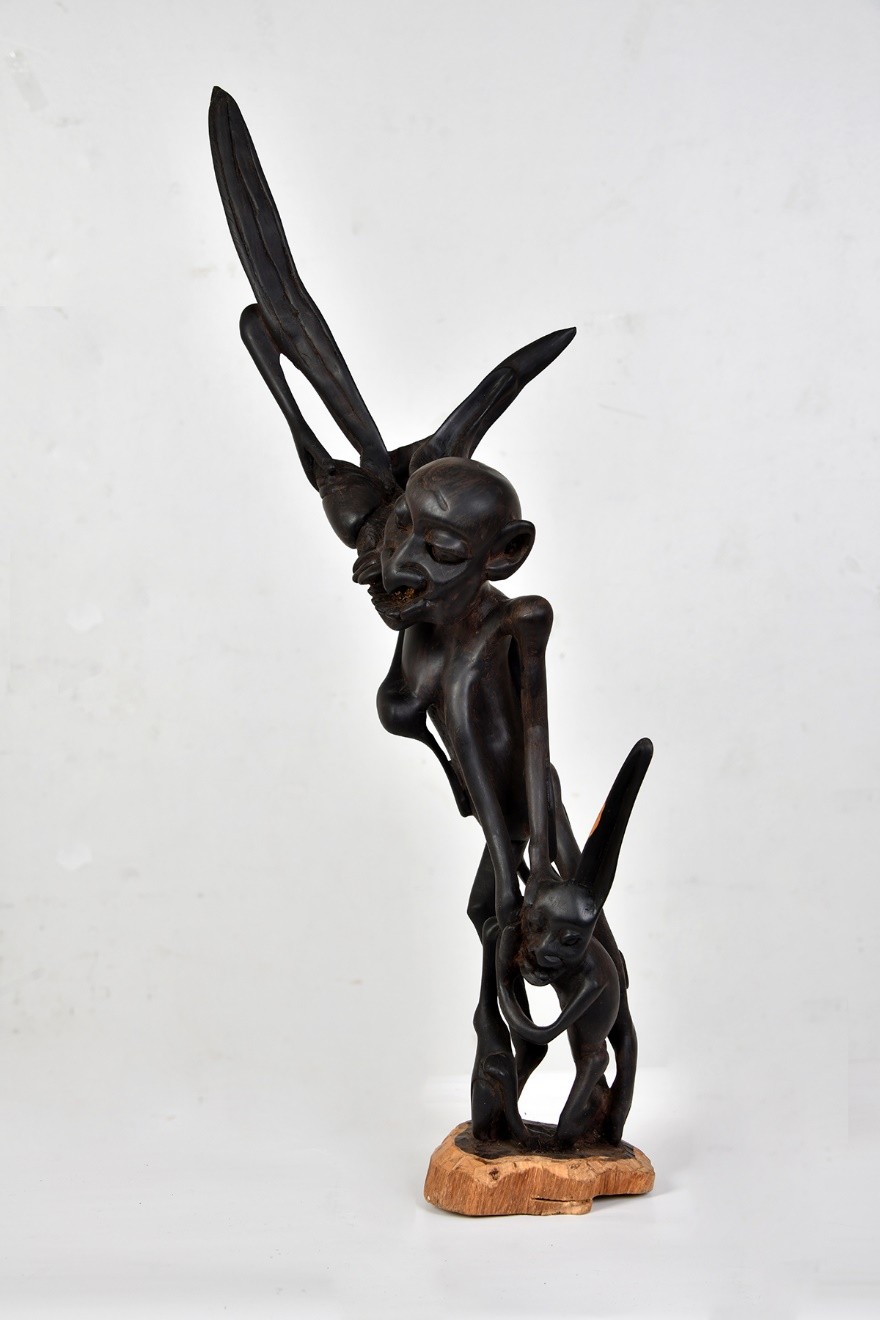
It’s about more than just income. It’s about respect. It’s about ensuring that the Hand-Carved African Ebony Wood Sculpture you hold in your hands isn’t just beautiful, but also a beacon of hope for the person who spent hours, days, sometimes weeks, bringing it to life. This is design with purpose. This is Moshaki’s purpose.
Preserving Ancient Crafts: More Than Just Business
Let’s be blunt: if we don’t support these crafts now, they could vanish. Entire traditions, centuries of knowledge, lost forever. That’s not just a commercial loss; it’s a cultural tragedy. Artisan empowerment isn’t just about current economic benefit; it’s about safeguarding global heritage.
When artisans are supported, they have the bandwidth and resources to teach younger generations. They can invest in apprenticeships, ensuring that the intricate patterns, the precise carving techniques, the unique firing methods for pottery – all of it – lives on. Without this support, young people often leave traditional crafts for what they perceive as more stable, modern jobs. Fair trade makes traditional crafts a viable, respected, and even desirable career path.
Consider the significance of communal carvings, like an African Family Sculpture. These pieces are not just decorative; they are narratives of connection, unity, and the profound importance of community. When we invest in these artisans, we’re investing in the continuation of these visual histories, ensuring that the wisdom embedded in each piece continues to speak volumes.
It’s a long-term play. Short-sighted profit motives destroy heritage. A commitment to artisan empowerment builds it, piece by handcrafted piece.
The Moshaki Difference: Quality, Heritage, and Style
You’ve heard the pitch before: “ethical,” “sustainable,” “quality.” But at Moshaki, we don’t just talk the talk; we walk the walk. Our brand story isn’t just marketing copy; it’s our operating manual. We were founded to celebrate timeless design and African heritage. That means:
- High-Quality Clothing & Curated Art: Every item, from our apparel to our hand-carved artifacts and décor, is selected for its excellence. We don’t do mediocre.
- Connection to Artisans: We bridge the gap between you and the skilled hands that crafted your piece. Each item has a story, and we want you to be part of it.
- Fair Trade Practices: Non-negotiable. Fair wages, safe conditions, direct relationships. No exceptions.
- Sustainable Materials: We prioritize low-impact fabrics and eco-conscious production. It’s not just good for the planet; it’s good business.
- Lasting Community Investment: Our partnerships go beyond transactions. We aim for long-term relationships that foster growth, education, and social well-being within artisan communities.
This isn’t some fluffy corporate social responsibility report. This is how we do business. This is how we ensure that when you choose a Moshaki piece, you’re not just buying an item; you’re investing in a legacy. You’re becoming part of the Artisan Empowerment Africa movement.
Frequently Asked Questions About Artisan Empowerment Africa
What is “Artisan Empowerment” in the African context?
Artisan empowerment in Africa means providing local craftspeople with fair wages, safe working conditions, direct access to markets, and opportunities for skill development. It allows them to preserve their traditional crafts, improve their livelihoods, and invest in their communities, moving beyond exploitative practices to genuine partnership.
How does Moshaki ensure fair trade with its artisans?
Moshaki is committed to direct sourcing, which means we work directly with artisans or their established cooperatives. This eliminates middlemen, ensuring a larger percentage of the revenue goes directly to the creators. We advocate for and pay fair prices that reflect the skill and time invested in each piece, promoting sustainable income and ethical practices.
Why is preserving ancient crafts important for African communities?
Preserving ancient crafts is crucial because these traditions are intrinsically linked to cultural identity, history, and communal knowledge. They provide sustainable economic opportunities, maintain valuable skills that might otherwise be lost, and offer a powerful means of cultural expression and storytelling for future generations.
Can consumers really make a difference by choosing fair trade products?
Absolutely. Every purchase of a fair trade product directly supports artisan empowerment. It ensures that craftspeople receive equitable compensation, validates their skills, and contributes to the economic stability and social development of their communities. Your choice helps create a ripple effect of positive change.
What kinds of crafts are supported through artisan empowerment initiatives?
Artisan empowerment initiatives support a vast array of crafts, including but not limited to, wood carving (like Makonde sculptures and masks), textile weaving, jewellery making, pottery, basketry, and traditional painting. The diversity reflects the rich cultural tapestry of African craftsmanship.
The Bottom Line: Invest in People, Get Real Value
Look, I don’t believe in overcomplicating things. The world’s full of noise. Here’s what matters: when you support Artisan Empowerment Africa, you’re not just making a purchase. You’re making a statement. You’re saying that quality, heritage, and human dignity are non-negotiable. You’re voting with your wallet for a better, fairer world.
At Moshaki, we’re not just selling products; we’re sharing stories, preserving legacies, and building futures. We believe in art that enriches, design that inspires, and business that uplifts. If that sounds like your kind of value, then you’re in the right place. Dive in. Experience the heart of African craftsmanship.
***
Connect with Moshaki
The Office
Mikocheni Rose Garden Road – Vunjabei, Kinondoni, Dar es Salam
Phone Number
+255 655 220 387
Contact Information
info@moshaki.com
Our Business Hours
Monday – Friday: 8am – 4pm
Saturday – Sunday: 9am – 5pm
Useful Links:
Explore our African Arts & Artifacts Collection