

Ancient Echoes: Discovering the World of African Artifacts & Heritage
If you’re anything like me, you appreciate things with soul, pieces that tell a story. And when it comes to storytelling, few things speak louder than African artifacts and heritage. It’s not just about collecting beautiful objects; it’s about connecting with centuries of wisdom, creativity, and resilience etched into every curve, every pattern, every hue. At Moshaki, we don’t just curate art; we celebrate the profound legacy these pieces carry, offering you a direct link to the heart of Africa.
My journey into the world of African art began with a simple curiosity, which quickly transformed into a deep respect. These aren’t just trinkets; they are tangible testaments to rich cultures, complex societies, and an artistic ingenuity that continues to inspire globally. Stick with me, and I’ll walk you through why these pieces aren’t just décor, but a profound investment in cultural understanding.
What Are African Artifacts and Why Do They Matter?
Let’s get straight to it. When we talk about African artifacts and heritage, we’re referring to a vast and diverse collection of objects, meticulously crafted across the continent for thousands of years. These aren’t just pretty things; they’re historical documents, spiritual conduits, social markers, and artistic masterpieces, all rolled into one. From powerful masks used in sacred ceremonies to everyday tools elevated to art, each item holds a piece of history, a whisper of a forgotten tradition, or a bold declaration of cultural identity.
Think about it. Imagine an ancient tribal mask. It wasn’t just carved to hang on a wall; it was brought to life for a specific purpose – to embody a spirit, to guide an initiation, or to celebrate a harvest. The carver poured intention, skill, and cultural knowledge into every stroke. That’s why these items aren’t just objects; they’re vessels of meaning. They challenge our perceptions, educate us about different worldviews, and offer a powerful counter-narrative to often-simplified versions of African history. By engaging with these artifacts, you’re not just decorating your space; you’re inviting a dialogue with a rich, complex past.
The Silent Storytellers: Unpacking the Meaning Behind African Artifacts
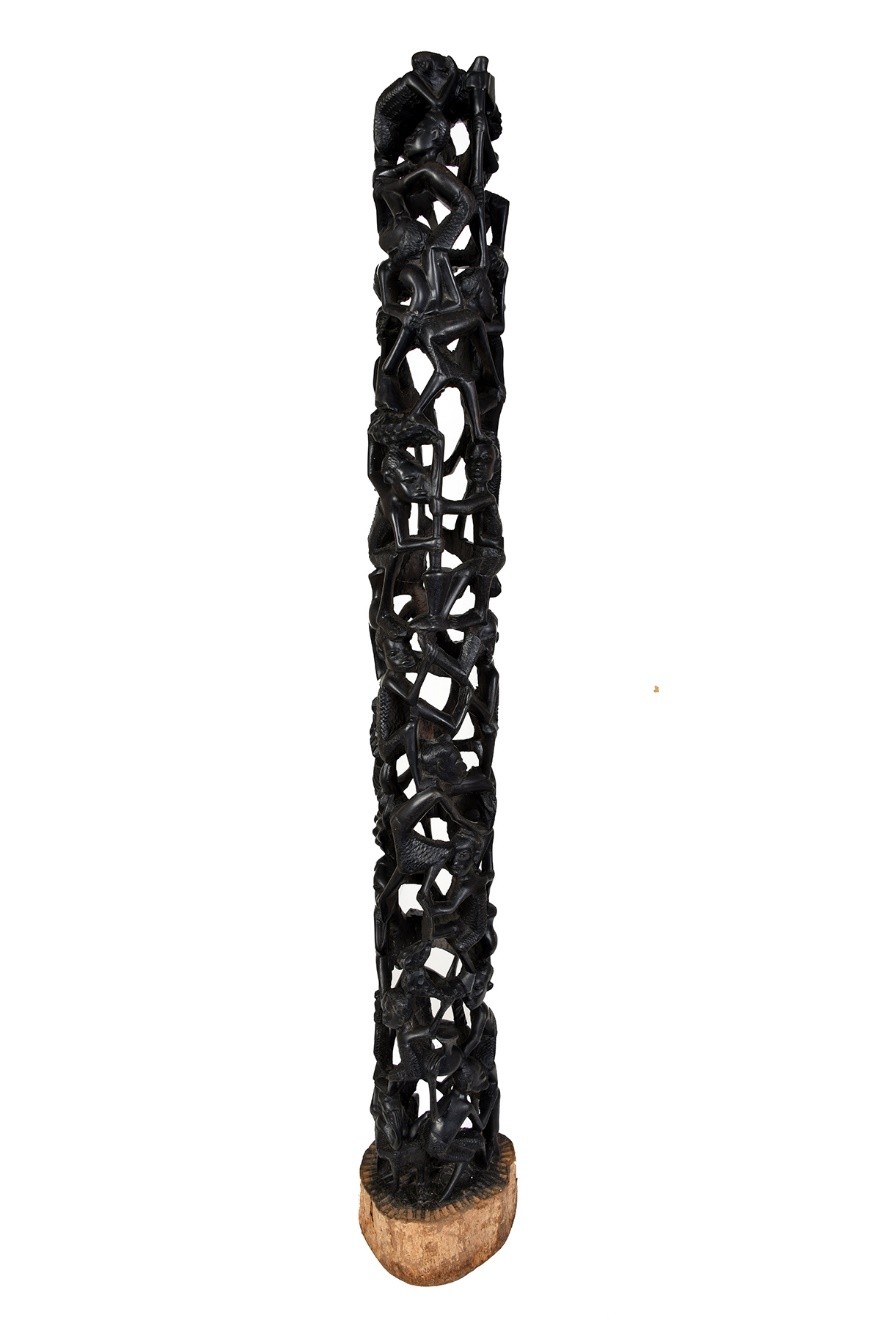
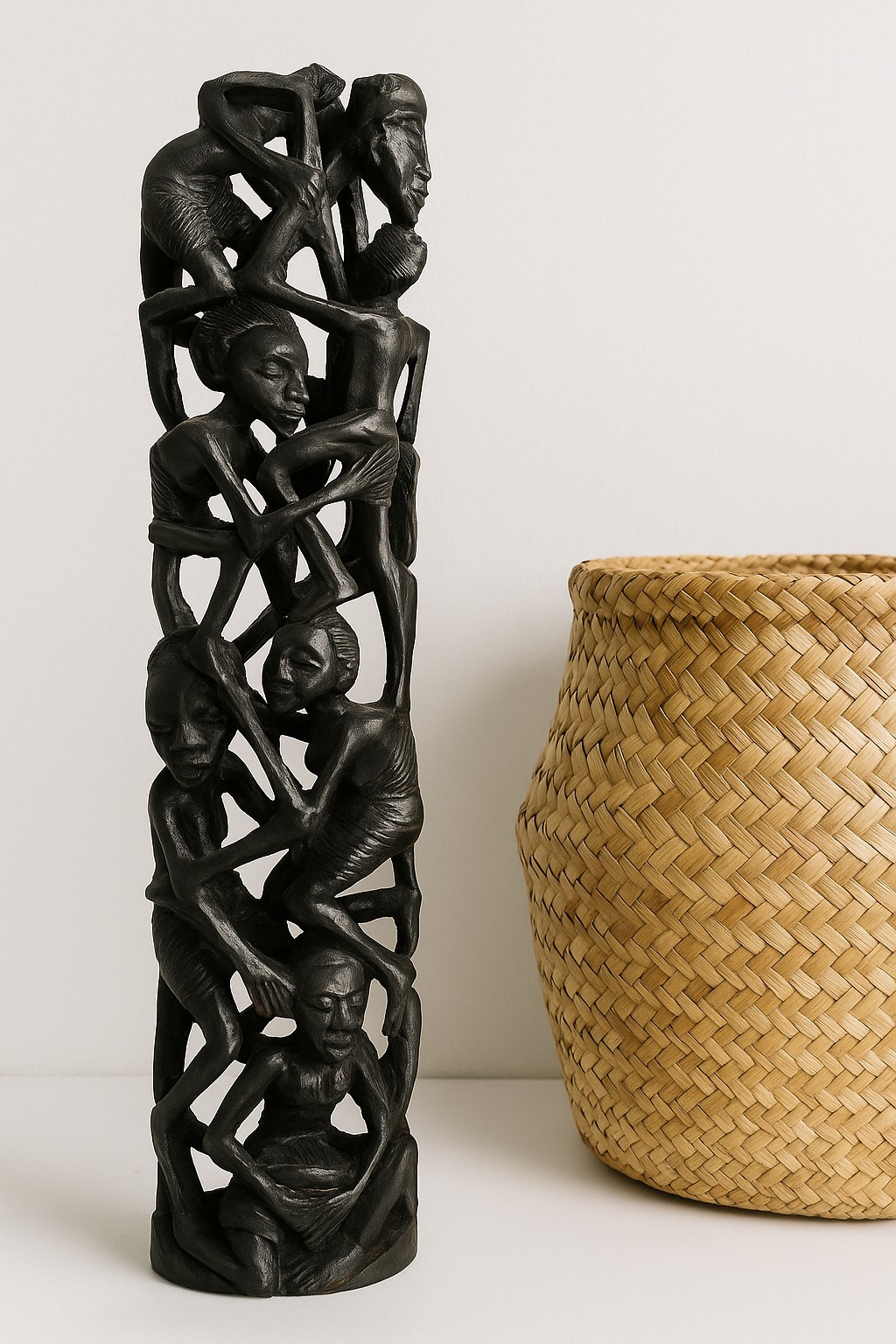
Every piece of traditional African art tells a story, often without uttering a single word. Take, for instance, a Makonde Tree of Life sculpture. This isn’t just a wooden carving; it’s a detailed genealogical record, a celebration of family, and a symbol of community resilience. Each interconnected figure represents generations, showing how individuals support and uplift the collective. It’s a powerful visual reminder that we are all part of something larger, a continuous human story. When you look at such a piece, you’re not just seeing wood; you’re seeing a philosophy carved into existence. It’s truly incredible how much wisdom can be encapsulated in a single artwork.
Or consider a bold Luba-inspired ritual mask. The elongated features, the striking pigments, the intricate scarification marks – these aren’t random. They’re deliberate choices, steeped in spiritual significance. Red might signify vitality, white purity, and geometric patterns could represent lineage or cosmic order. These masks weren’t just worn; they transformed the wearer, connecting them to ancestral spirits and embodying powerful forces. They were the original virtual reality, if you will, but with far deeper cultural resonance.
How Does African Art Reflect Community and Spirituality?
The beauty of African artifacts and heritage lies in their intrinsic connection to daily life, social structure, and spiritual beliefs. Unlike much Western art, which often celebrates individual genius, traditional African art is often communal. It’s a product of the community, for the community, and understood by the community.
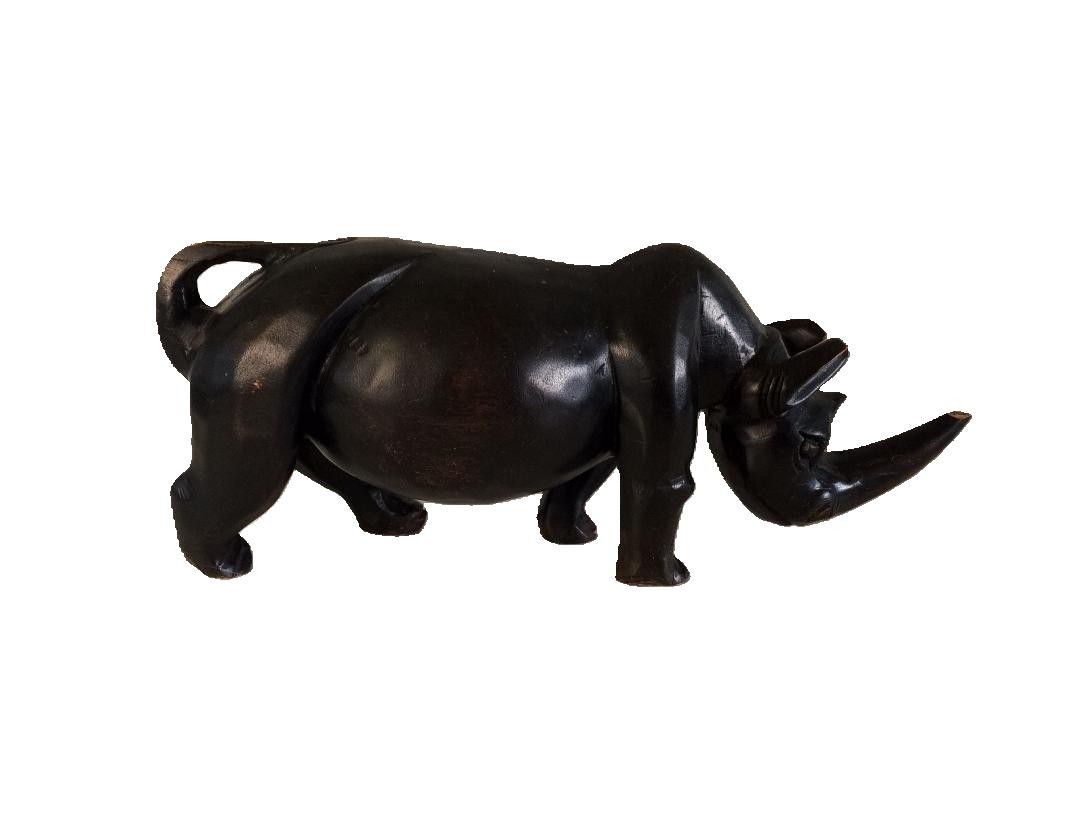
Take the example of the hand-carved rhino sculpture. In many African cultures, animals like the rhino aren’t just creatures; they’re totems, embodying specific traits like strength, resilience, and protection. A piece like this isn’t merely decorative; it’s a symbolic protector of the home, a reminder of the raw power and enduring spirit of the wild. It reflects a worldview where humanity is deeply intertwined with nature, not separate from it.
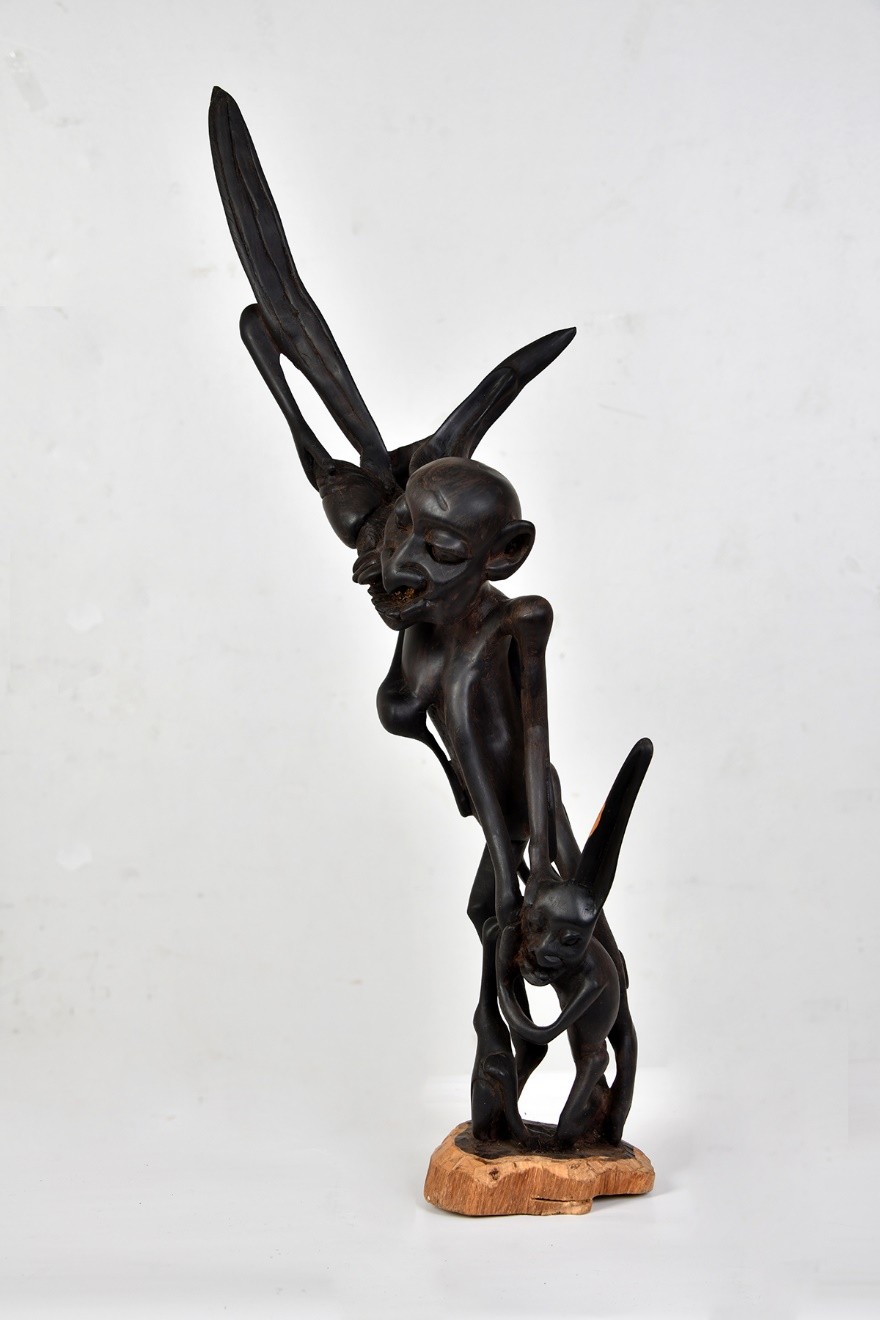
Similarly, a “Man in Thought” sculpture, with its contemplative posture and minimalist design, speaks to the value placed on introspection and wisdom. It’s a quiet nod to the inner journey, often a facet of spiritual practices across the continent. These pieces aren’t just aesthetic; they’re functional in a spiritual sense, prompting reflection and connection to higher ideals. They served as constant reminders of societal values and individual responsibilities.
From Ritual to Home: The Journey of African Artifacts
Many of the magnificent African artifacts we admire today once played vital roles in ceremonies, rites of passage, or served as everyday objects imbued with special meaning. Over time, their function may have shifted, but their inherent power and beauty remain. What was once a tool for ritual can now be a stunning piece of art that enriches your home, bridging distant worlds.
At Moshaki, we connect you with this rich tradition. We understand that these aren’t just commodities. They are a legacy. Our curated collection of African art and artefacts allows you to bring this deep cultural resonance into your living space. We focus on pieces that reflect quality, heritage, and style, ensuring each item not only looks good but tells a story you’ll be proud to share. Take a look at our full range of arts and artifacts at https://moshaki.com/arts-artifacts/. You’ll find pieces that resonate with tradition yet fit perfectly into a contemporary setting.
Preserving the Past, Inspiring the Future: Moshaki’s Commitment to African Artifacts Heritage
At Moshaki, our mission extends beyond mere commerce. We are passionate about celebrating timeless design and, crucially, preserving and promoting African artifacts and heritage. Every piece we offer is a testament to the skill and vision of talented artisans who continue age-old traditions, infusing each creation with cultural significance and masterful craftsmanship. This isn’t just about selling; it’s about sustaining a vibrant artistic legacy.
We work directly with artisans, ensuring fair wages and safe working conditions, because we believe true value lies in ethical practices and community investment. This commitment means that when you acquire an artifact from Moshaki, you’re not just buying a product; you’re investing in a purpose. You’re supporting local economies, empowering communities, and helping to keep these incredible art forms alive for future generations. It’s a win-win: you get a beautiful, meaningful piece, and artisans get the recognition and support they deserve.
We also champion environmental stewardship, utilising sustainable materials and eco-conscious production methods wherever possible. This holistic approach ensures that the beauty of these artifacts is matched by the integrity of their creation. It’s about more than just art; it’s about responsible cultural engagement. We are curators of culture, dedicated to bringing the authentic spirit of Africa into your home with integrity and style.
Frequently Asked Questions About African Artifacts & Heritage
Q1: What is the primary significance of African artifacts?
African artifacts are highly significant as they embody the diverse cultural, spiritual, and historical narratives of African communities. They serve as tangible links to ancestral wisdom, social structures, and artistic traditions, offering profound insights into the continent’s rich heritage.
Q2: How can I distinguish authentic African artifacts from reproductions?
Authenticity is often in the details. Look for natural wear, variations in craftsmanship (as each piece is often unique and handmade), and materials typical of the region. Reputable dealers like Moshaki will also provide provenance and details about the artisan or origin, ensuring you receive genuine pieces that reflect true African artifacts heritage.
Q3: Are African masks primarily used for decorative purposes?
While many African masks are now appreciated for their aesthetic beauty in homes and galleries, their original purpose was almost always ritualistic. They were integral to ceremonies, initiations, funerals, and celebrations, embodying spirits, ancestors, or mythical beings. Their decorative function today is a modern reinterpretation of their profound cultural and spiritual roles.
Q4: How should I care for my African wood carvings and artifacts?
To preserve your African artifacts, keep them away from direct sunlight and excessive moisture, which can cause cracking or fading. Dust gently with a soft, dry cloth. For wooden pieces, occasional application of natural beeswax or wood oil can help maintain their sheen and prevent drying. Always handle with care, especially if pieces have delicate adornments.
Q5: What impact does purchasing African artifacts from Moshaki have on local communities?
When you purchase from Moshaki, you directly support the artisans and their communities. We operate on fair trade principles, ensuring carvers receive equitable compensation for their work. This empowers them to sustain their craft, support their families, and preserve invaluable artistic traditions, contributing directly to the vibrant future of African artifacts and heritage.
Bringing Africa’s Story Home
So, there you have it. The world of African artifacts and heritage is far more than just a collection of objects; it’s a living, breathing narrative of human history, spirit, and unparalleled creativity. Each sculpture, mask, or figurine is a conversation starter, a piece of wisdom, and a profound connection to a continent rich in stories.
My hope is that you now see these pieces not just for their beauty, but for the incredible legacy they represent. They’re a reminder that true value isn’t just in what something costs, but in the story it tells and the culture it sustains. At Moshaki, we are committed to sharing these stories, ensuring that the ancient echoes of Africa continue to resonate in our modern world.
Ready to discover your own piece of history? Explore our collection and let these timeless treasures find a new home with you. It’s more than art; it’s a piece of the world, a connection, a heritage. Make it yours.
Contact Us:
The Office
Mikocheni Rose Garden Road – Vunjabei, Kinondoni, Dar es Salam
Phone Number: +255 655 220 387
Contact Information: info@moshaki.com
Our Business Hours:
Monday – Friday: 8am – 4pm
Saturday – Sunday: 9am – 5pm