

Alright, let’s talk about something truly special: African Wedding Headwraps. If you’re anything like me, you appreciate authenticity, elegance, and a good story. And when it comes to weddings, few things tell a richer story or add more regal flair than a beautifully tied African headwrap. It’s not just a piece of fabric; it’s a statement, a crown, and a nod to generations of tradition. Forget fussing over complex hairstyles that might not last the whole celebration – a well-chosen headwrap gives you instant grace and confidence. We’re going to cut through the noise, get straight to what matters, and ensure you rock that headwrap like the queen you are.
I’ve seen it time and again: a woman walks into a room, impeccably dressed, but it’s the headwrap that commands attention. It transforms an outfit, elevates the spirit, and truly sets the tone. Whether you’re the bride, a bridesmaid, or a cherished guest, mastering the art of the African headwrap for a wedding isn’t just about fashion; it’s about connecting with a powerful cultural legacy. So, grab your coffee, let’s dive in, and I’ll share everything you need to know to make your wedding headwrap moment unforgettable.
What is the Cultural Significance of African Wedding Headwraps?
Before we even get to styling, you need to understand the ‘why’. A headwrap, often called a ‘gele’ in Nigeria, an ‘dhuku’ in Zimbabwe, or simply a ‘turban’ or ‘head-tie’ across various African cultures, is far more than an accessory. For centuries, it’s been a symbol of status, spirituality, identity, and beauty. Think of it as a canvas where history and personal expression meet.
In the context of African weddings, the headwrap takes on even deeper meaning. For a bride, it can symbolise purity, new beginnings, and her transition into wifehood. It’s often a ceremonial element, representing blessings and respect. For guests, it’s a sign of celebration, respect for the occasion, and an embracing of cultural pride. My grandmother always said, “A woman’s head is her glory, and a headwrap is her crown.” She wasn’t wrong. It’s about honouring tradition and showcasing your heritage with pride. It’s a statement of confidence, a nod to the past, and a celebration of the present.
Across the continent, different patterns, colours, and tying styles can signify various ethnic groups, marital status, or even social standing. So, when you choose to wear an African wedding headwrap, you’re not just making a fashion choice; you’re participating in a rich, vibrant narrative. It’s about carrying that legacy forward with grace and power.
How to Choose the Perfect African Wedding Headwrap Fabric and Colour?
Alright, let’s get down to business. Choosing the right headwrap is like choosing the right partner for a dance – it needs to complement you and the occasion. The fabric and colour are your starting point. You wouldn’t wear a casual cotton tee to a black-tie event, right? Same principle applies here.
Fabric First: Comfort Meets Elegance
For weddings, you’re looking for something that screams elegance and holds its shape. Here are your top contenders:
- Aso Oke: This is the crème de la crème, especially for Nigerian weddings. It’s handwoven, rich, and often features intricate patterns. It’s stiff enough to create those elaborate, architectural styles. You want to make a statement? This is your fabric.
- Brocade & Damask: These are heavy, ornate fabrics with raised patterns, offering a luxurious feel and a beautiful sheen. They hold folds well, giving your wrap volume and definition.
- Satin & Silk: If you’re after a softer, more draped look with a touch of glamour, satin or silk is fantastic. They catch the light beautifully and feel incredible against the skin. Just remember, they can be a bit more slippery to tie, so practice is key.
- Ankara (African Wax Print): For a vibrant, contemporary, yet deeply cultural look, Ankara is unbeatable. It comes in a kaleidoscope of colours and patterns. While some Ankara can be stiff, softer versions allow for more fluid styles. This is where Moshaki shines, connecting you to authentic, handcrafted designs. Imagine pairing a stunning Ankara headwrap with our Full-Length A-Line Sleeveless Dress for a truly cohesive look.
My advice? Always consider the texture of your dress. If your dress is heavily embellished, a simpler, elegant headwrap might be best. If your dress is understated, let the headwrap do the talking.
Colour & Pattern: Making It Pop (or Blend)
This is where your personality comes in. For a wedding, you generally want to complement the overall colour scheme or your outfit without overshadowing the bride. However, if you’re the bride, the rules change – go bold, go magnificent!
- Matching Your Outfit: The safest bet is to match your headwrap to your dress or a prominent colour within its pattern. This creates a harmonious, polished look.
- Contrasting Colours: Want to stand out? Choose a complementary colour that contrasts beautifully with your outfit. For example, a gold headwrap with a deep emerald dress is pure luxury.
- Metallics: Gold, silver, and bronze headwraps are always a win for weddings. They add instant festivity and pair well with almost any colour.
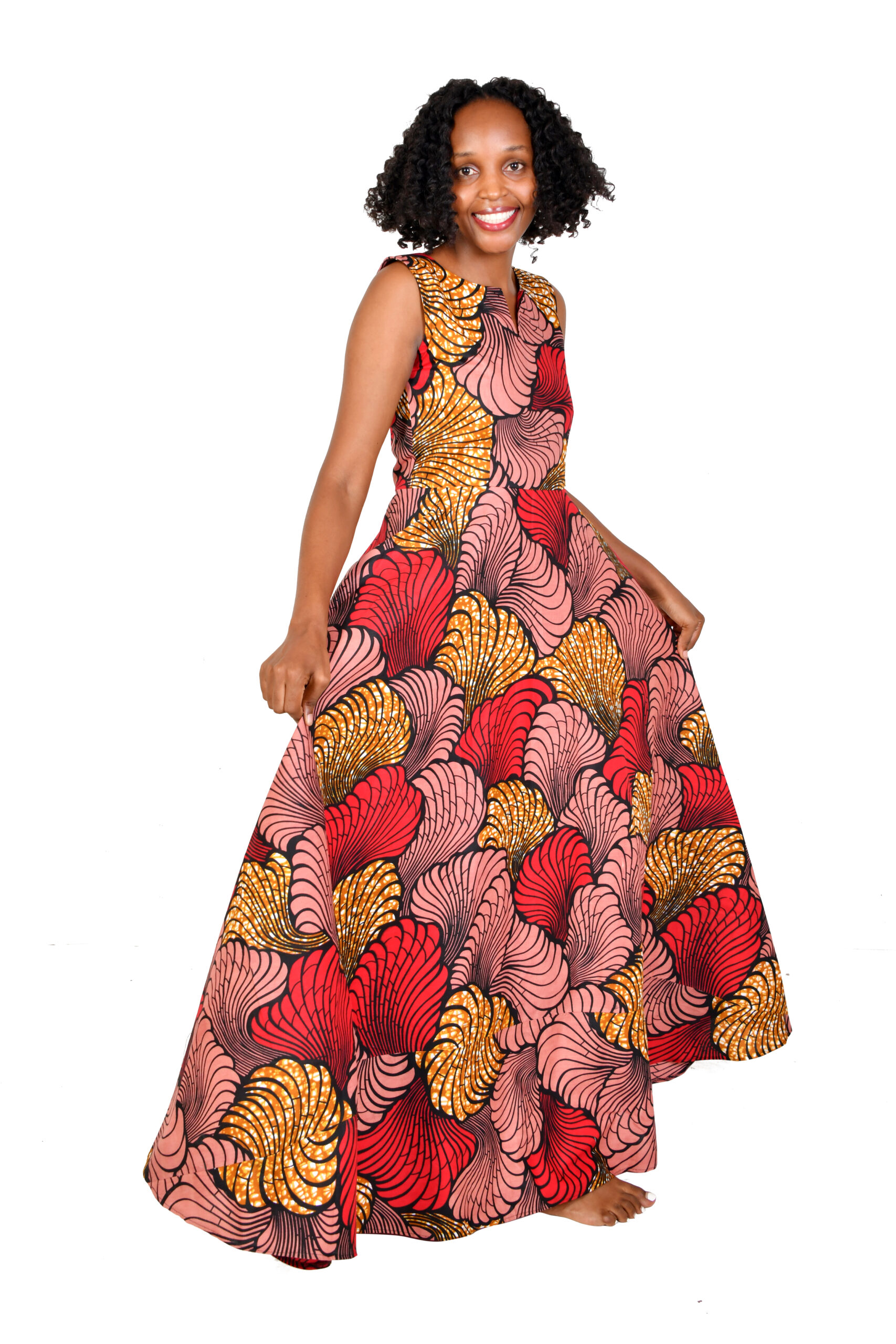
- Traditional Patterns: If you’re wearing an Ankara dress, you might opt for a headwrap in the same fabric or one that shares a similar colour palette. This ties the whole look together, showcasing a strong Afrocentric style. Our Classic Full-Length Dress, for example, would look absolutely stunning with a matching print headwrap, creating a seamless and sophisticated ensemble.
Don’t be afraid to experiment, but always consider the overall aesthetic. A headwrap is meant to enhance, not distract. Keep it intentional.
Styling Tips for African Headwraps for Different Wedding Looks
Now, this is where the magic happens. A headwrap isn’t just one style; it’s an art form with endless possibilities. The way you tie it can dramatically change your entire look. Think of your head as a canvas, and the fabric as your brush. We’re aiming for impact, poise, and that undeniable confidence that comes from knowing you look phenomenal.
For the Bride: Regal and Breathtaking
If you’re the bride, your headwrap should be nothing short of spectacular. It needs to command attention, yet still feel utterly ‘you’.
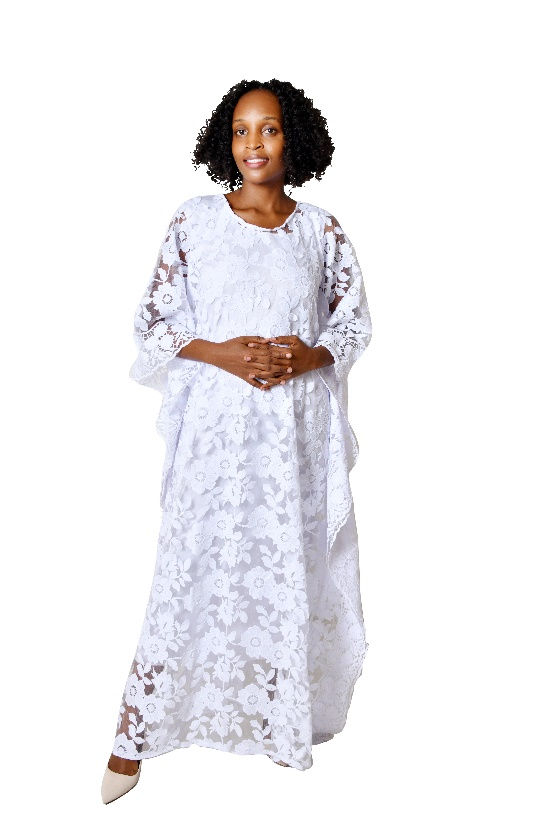
- The Grand Gele: This is a classic for a reason. Often tall, voluminous, and intricately folded, the gele makes a bold statement. It’s often paired with traditional wedding attire like the Traditional African Lace Gown. The secret is symmetrical pleats and firm tying. Consider an Aso Oke fabric for this, as its stiffness makes those impressive peaks and valleys a breeze to achieve. This look is about unapologetic grandeur.
- The Royal Crown: A more rounded, crown-like style, sometimes adorned with embellishments like pearls or crystals. This offers a softer, more queenly look while still being utterly breathtaking. It often sits lower on the head, framing the face beautifully.
- Modern Elegance: Don’t feel you have to stick to traditional styles if that’s not your vibe. A simpler, sleek wrap in a luxurious fabric like silk or brocade can be incredibly sophisticated. It’s less about height and more about refined folds and a perfect silhouette. This works wonderfully with contemporary wedding dresses that have subtle African influences.
Remember, your bridal headwrap is a focal point. Ensure it’s comfortable enough to wear all day and secure enough to withstand dancing!
For Bridesmaids: Harmonious and Chic
Bridesmaids often wear matching or complementary headwraps to create a cohesive and visually stunning bridal party. The key here is uniformity and elegance.
- Uniformity with a Twist: While the fabric and colour will likely be dictated by the bride’s theme, you can often play with tying styles. Perhaps a medium-height fan style for a classic look, or a neatly tucked front knot for something more contemporary.
- Coordinated Colours: If not identical, then coordinating colours are paramount. For example, different shades of gold or complementary prints from the same Ankara collection. This creates a beautiful visual flow in photos.
- Sleek & Simple: Sometimes less is more. A neat, elegant wrap that frames the face without too much volume can be incredibly chic and allows the beauty of the dress and the wearer to shine through.
The goal is to complement the bride, not compete with her. Your headwrap should add to the overall splendour of the bridal party, creating a memorable visual impact.
For Wedding Guests: Elegant and Respectful
As a guest, your headwrap is a sign of respect and celebration. It’s an opportunity to showcase your personal style while adhering to the formality of the event.
- The Turban Twist: A popular choice for guests, the turban can range from a simple, elegant twist at the front to a more elaborate, layered look. It’s versatile and can be dressed up or down.
- Side Swirl: This involves gathering fabric to one side of the head, creating an asymmetrical yet balanced look. It’s chic and allows for a statement earring on the exposed side.
- Low Knot: For a subtle but elegant touch, a low knot or bun-like style at the nape of the neck or just above the forehead can be very sophisticated. This works well with a more modern or minimalist outfit.
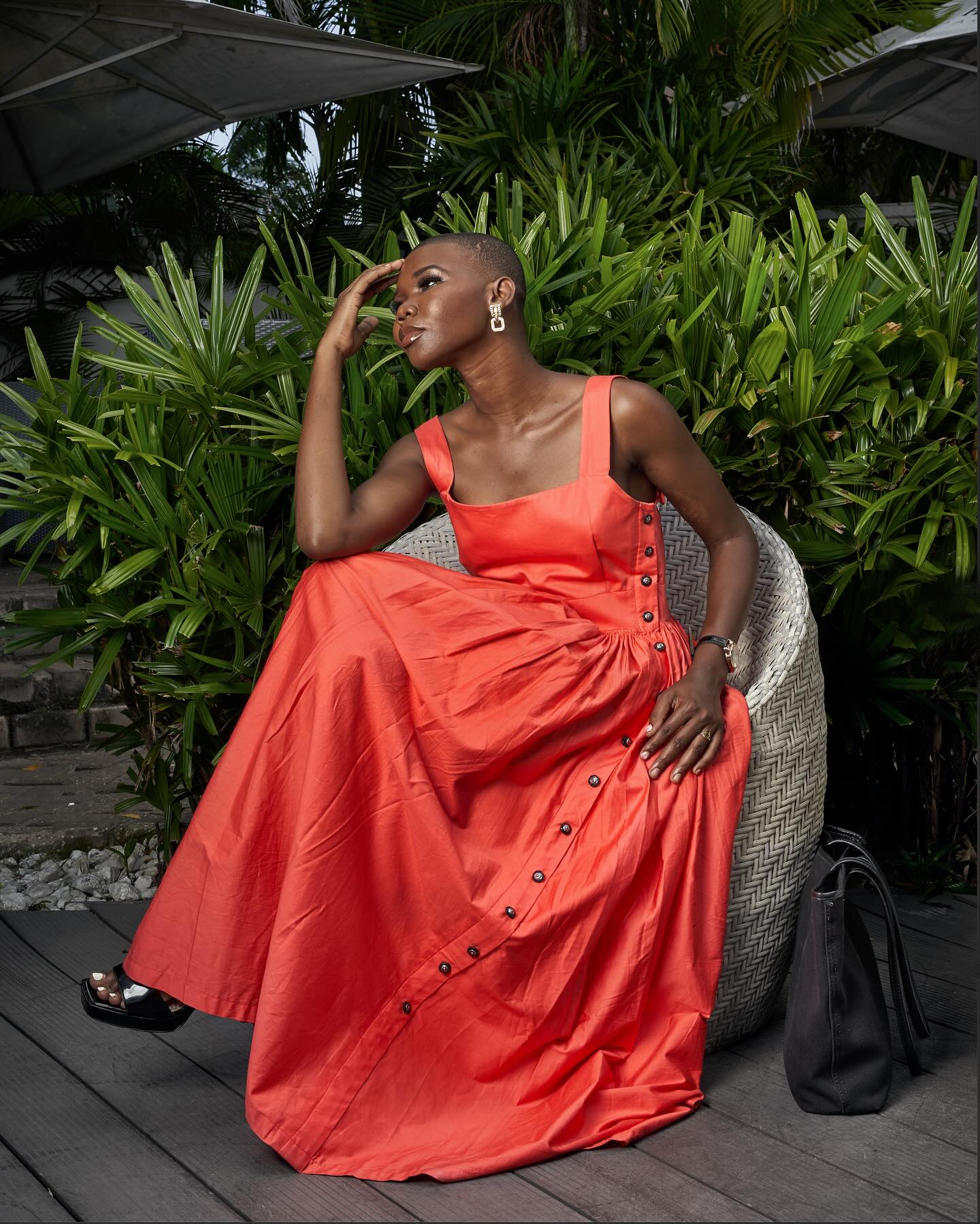
- Vibrant Ankara Styles: If you’re attending a colourful African wedding, don’t shy away from vibrant Ankara prints. Pair them with a solid-coloured dress, perhaps one of Moshaki’s elegant African Maxi Dresses, to let your headwrap truly pop. It’s a fantastic way to embrace the festive spirit.
Always consider the overall formality of the wedding. For a very formal event, a more structured and polished wrap is appropriate. For a more relaxed celebration, you can get away with softer, more artistic styles.
Real-Life Examples & Stories: The Power of the Wrap
Look, I’ve seen enough weddings to tell you this: the details matter. And a headwrap? That’s not just a detail; it’s a whole damn statement. It’s about impact. Let me share a couple of stories that really drive this home.
I once consulted for a bride, a powerhouse businesswoman. She ran a multi-million-pound empire, sharp as a tack. For her wedding, she was torn between a traditional veil and a headwrap. Her mother, a woman of immense grace, insisted on the headwrap. “It’s our legacy, my dear,” she’d say. The bride was hesitant; she thought it might look “too ethnic” or not “modern enough.” She wanted chic, sophisticated, international. I told her, “Look, you either commit, or you don’t. A half-baked attempt is worse than no attempt. Go all in, or go home.”
We found a stunning gold Aso Oke, intricately tied into a towering gele that framed her face like a regal crown. When she walked down the aisle, there wasn’t a single person looking at the décor or the flowers. All eyes were on her, this magnificent woman, radiating power and grace. She didn’t just wear a headwrap; she owned it. She was the embodiment of modern African elegance. People were talking about that headwrap for months. It wasn’t just a fashion choice; it was a branding statement. She understood that authenticity sells, and that day, she sold herself as a queen.
Another time, a wedding guest, a young professional, felt a bit out of place at a grand traditional wedding. She wasn’t African, but her partner was. She wanted to show respect for his culture. She came to us with a simple African Maxi Dress and no idea what to do with her hair. We chose a vibrant Ankara fabric, a rich blue with hints of gold, and tied it into a chic, asymmetrical turban. It was elegant, modern, but still clearly an African wedding headwrap. She was nervous. I told her, “Confidence is your best accessory. Wear it like you mean it.”
By the end of the evening, she was glowing. People approached her, complimenting her style, asking about her headwrap. She wasn’t just a guest; she was an ambassador. She connected with her partner’s family and culture in a way she hadn’t anticipated, all because she took the leap. That headwrap opened doors to conversations and connections. It showed she cared. And that, my friends, is priceless.
These aren’t just stories about headwraps. They’re about intentionality, embracing culture, and owning your look. When you choose to wear an African headwrap to a wedding, you’re not just covering your hair; you’re adorning yourself with history, art, and confidence. It’s an investment in your presence, and that always pays dividends.
How to Tie an African Wedding Headwrap: Basics to Brilliance
Okay, let’s address the elephant in the room. Tying a headwrap can look daunting. I get it. Those intricate styles seem like they require a degree in engineering. But here’s the truth: like any skill, it’s about breaking it down, practising, and not being afraid to mess it up a few times. You won’t get it perfect on your first try, and that’s fine. The goal isn’t perfection; it’s confidence.
The Essentials You’ll Need:
- Your Fabric: A good quality fabric, ideally one with a bit of body or stiffness if you’re aiming for height (like Aso Oke or a stiff Ankara). Aim for at least 2 yards, but 3-5 yards is better for more elaborate styles.
- Bobby Pins/Hair Grips: Your best friends for securing loose ends and ensuring your masterpiece stays put.
- A Mirror: A good, well-lit mirror is non-negotiable.
- Patience: You’re going to need it. Don’t rush the process.
A Simple Turban Style (Great for Guests):
This is your entry point. It’s elegant, relatively easy, and versatile.
- Start with a Base: If you have very silky hair, a non-slip velvet headband can provide grip.
- Find the Middle: Fold your fabric in half lengthwise if it’s very wide. Place the middle of the folded fabric at the nape of your neck, ensuring both ends are equal in length and hanging over your shoulders.
- Bring Forward and Cross: Bring both ends to the front of your head. Cross them over your forehead, making a tight knot or twist.
- Twist and Wrap: Take one end, twist it tightly, and wrap it around the back of your head, tucking any excess into the existing folds at the back or side.
- Repeat on the Other Side: Take the second end, twist it, and wrap it around in the opposite direction, creating a balanced look. Tuck the end in securely.
- Adjust and Secure: Gently adjust the fabric to create volume and shape. Use bobby pins to secure any loose edges. You want it snug, but not headache-inducing.
This simple method gives you a chic, rounded turban. From here, you can start experimenting with adding more twists, creating a side bun, or even a small fan at the front.
Going for Height (The Fan/Rosette Look):
This requires a stiffer fabric and a bit more technique. This is often seen with Aso Oke.
- Base It Low: Place the fabric low at the nape of your neck, again ensuring equal lengths. Bring the ends forward.
- Secure a Knot: Tie a firm double knot right at the centre of your forehead. This is your anchor.
- Create the ‘Fan’: Take one end of the fabric. Starting from the edge closest to your face, begin making small, tight pleats or folds. As you pleat, gather them upwards and slightly towards the centre of your head.
- Shape and Secure: Once you have a fan-like structure, use your hand to hold it firmly in place. Wrap the remaining fabric from that end around the base of the fan to secure it, tucking in any loose pieces. Pin it heavily.
- Repeat (or Vary): Do the same with the other end, creating another fan or a complementary rosette on the other side. You can also create a large, singular fan or combine with smooth wraps.
- Final Adjustments: Stand back, look in the mirror, and gently pull and shape your creation. The goal is symmetry (unless you’re going for an asymmetrical look) and security.
This isn’t an overnight mastery. Watch tutorials, practice on yourself, and if you’re still struggling, many African boutiques offer professional headwrap tying services. It’s an investment, but trust me, the payoff in confidence is worth it.
Incorporating Headwraps with Modern Wedding Attire
Look, you don’t have to go full traditional to embrace the headwrap. Modern wedding attire can absolutely sing when paired with the right African headwrap. It’s about blending, not clashing. It’s about being intentional with your style. I’m a firm believer that tradition and modernity can coexist beautifully, and the headwrap is proof.
The Fusion Look: Best of Both Worlds
Imagine a sleek, minimalist wedding gown with a vibrant, intricately tied Ankara headwrap. That’s fusion. That’s a statement. The key is balance. If your dress is simple, your headwrap can be a bold explosion of colour and pattern. If your dress is already richly detailed, opt for a headwrap in a solid, luxurious fabric that complements one of the dress’s accent colours.
- Clean Lines + Bold Prints: A clean-cut, contemporary dress – like a simple white or ivory sheath – can be instantly elevated by a headwrap made from a striking African wax print. The contrast creates visual interest and a unique, memorable look.
- Embellished Gowns + Luxurious Solids: If your dress has lace, beading, or intricate embroidery, choose a headwrap in a rich, solid colour like gold, emerald, or deep plum. A satin or brocade fabric would add that touch of luxury without competing with the dress’s details.
- Tailored Suits + Textured Wraps: For an unconventional bride or a fashion-forward guest opting for a tailored suit or jumpsuit, a headwrap in a textured fabric like raw silk or a subtly patterned brocade can add a feminine, cultural touch that’s both powerful and elegant.
The trick is to ensure the textures and patterns don’t fight. They should work in harmony. You want people to say, “Wow, that’s beautiful!” not “What on earth is going on there?”
Accessorising Your Headwrap
A headwrap can be an accessory in itself, but a few additional touches can really pull the look together.
- Earrings: Statement earrings are a headwrap’s best friend, especially if your tying style exposes your earlobes. Large hoops, drop earrings, or culturally inspired pieces can perfectly frame your face.
- Subtle Jewellery: Keep necklaces minimal if your headwrap is high or voluminous. A delicate chain or no necklace at all might be best to let the headwrap and your face shine.
- Makeup: Consider makeup that complements your headwrap colours. A bold lip can be stunning with a vibrant print, while a more neutral look can enhance the elegance of a solid, luxurious wrap.
The bottom line? Be deliberate. Every element of your wedding look should serve a purpose. The headwrap, when chosen and styled intentionally, isn’t just an addition; it’s a celebration of heritage, style, and undeniable confidence. It says, “I know who I am, and I’m here to celebrate.”
FAQ: Your Burning Questions About African Wedding Headwraps Answered
Q1: Can anyone wear an African wedding headwrap?
Absolutely! While deeply rooted in African culture, headwraps are a beautiful form of expression that transcends ethnicity. Many non-Africans wear them to cultural events or as a stylish accessory. The key is to wear it with respect, appreciation, and an understanding of its significance. If you’re attending an African wedding, wearing one can be a lovely gesture of cultural appreciation.
Q2: How do I keep my headwrap from slipping during a wedding?
Great question! Security is paramount. Here are a few tips:
- Textured Fabric: Start with a fabric that has some grip, like cotton or a slightly stiff Ankara. Silky fabrics can be trickier.
- Under-Cap/Headband: A velvet or textured under-cap (sometimes called a wig grip) can provide an excellent base for your wrap to hold onto.
- Tight & Firm Ties: Ensure your initial knots and twists are firm. Don’t make it painfully tight, but snug enough to feel secure.
- Bobby Pins: Don’t be shy with bobby pins or hair grips. Use them strategically to secure folds and tuck in loose ends.
- Hair Spray: A light mist of hair spray on your hair around the hairline before wrapping can also help.
Q3: What’s the difference between a gele and other African headwraps?
A gele is a specific type of elaborate headwrap, primarily associated with Yoruba culture in Nigeria. It’s known for its structured, often voluminous, fan-like or architectural folds, typically made from stiff fabrics like Aso Oke. While all geles are headwraps, not all African headwraps are geles. Many other cultures have their own unique styles, from simple turbans to flowing drapes, each with its own name and significance.
Q4: Should my headwrap match my dress exactly?
Not necessarily. While a perfect match is always elegant, complementing colours or patterns can be just as stunning, if not more impactful. Consider the overall colour palette of your outfit. You can choose a headwrap that features one of the accent colours of your dress, or a contrasting colour that still harmonises. For example, if your dress is a solid colour, a patterned Ankara headwrap can add a beautiful pop. If your dress is patterned, a solid-coloured headwrap in one of the dress’s dominant hues can create balance.
Q5: Can I wear a headwrap with my natural hair or a weave?
Absolutely! Headwraps are incredibly versatile. They work beautifully with natural hair, braids, locs, weaves, and even bald heads. The thickness and texture of your hair might influence the volume and shape of your wrap, but it won’t prevent you from wearing one. In fact, many use headwraps as a protective style or simply to enhance their current hairstyle.
Final Thoughts: Own Your Crown
So there you have it. African wedding headwraps are more than just fabric; they’re a symbol of heritage, beauty, and undeniable confidence. It’s not just about covering your head; it’s about adorning your crown, making a statement, and connecting with a rich, vibrant culture. Whether you’re a bride seeking regal grandeur or a guest aiming for respectful elegance, there’s a headwrap style that’s perfect for you.
My final piece of advice? Don’t overthink it, but do be intentional. Choose your fabric, embrace the colours, and practice your tying. The confidence you exude when you truly own your look – that’s the real magic. You’re not just wearing an African wedding headwrap; you’re embodying a legacy of strength, beauty, and unique style.
At Moshaki, we’re all about celebrating timeless design and African heritage. Our handcrafted pieces are designed to enrich contemporary living, connecting you to skilled artisans and cultural traditions. When you choose a piece from us, you’re not just getting clothing; you’re investing in design with purpose, promoting local craftsmanship, fair trade, and sustainable materials. Explore our collection of African-inspired clothing to find the perfect ensemble to complement your headwrap.
Ready to make your statement? Go ahead, pick that fabric, tie that wrap, and own that wedding floor.
Contact Details:
The Office
Mikocheni Rose Garden Road – Vunjabei, Kinondoni, Dar es Salam
Phone Number
+255 655 220 387
Contact Information
info@moshaki.com
Our Business Hours
Monday – Friday: 8am – 4pm
Saturday – Sunday: 9am – 5pm
Useful links: https://moshaki.com/clothing/