

Right, let’s talk about something truly special: Nigerian Wedding Dresses. If you’re planning a wedding, or just appreciate incredible fashion and rich culture, you’re in the right place. I’m here to tell you, these aren’t just dresses; they are statements. They’re history, art, and pure celebration woven into fabric. Think about it: a wedding day is monumental. It’s when two families become one, traditions are honoured, and a new chapter begins. And at the heart of it all? The bride, radiant in an attire that speaks volumes about her heritage.
I’ve seen a lot of wedding attire in my time, and I can confidently say, Nigerian wedding dresses are in a league of their own. They combine elegance, intricate detailing, and vibrant cultural stories that you just don’t find anywhere else. Forget the cookie-cutter white gowns if that’s not your vibe. We’re talking about show-stopping outfits that are rich in history, bold in design, and guaranteed to make you feel like royalty. From the vibrant colours to the exquisite beadwork and embroidery, each dress tells a unique story. It’s about more than just looking good; it’s about feeling connected to something bigger, something ancestral.
At Moshaki, we’re all about celebrating timeless design and African heritage. Every piece we curate and create is a connection to skilled artisans and cultural roots, made with quality and purpose. That ethos extends beautifully to Nigerian wedding dresses, which are perfect examples of artistry beyond fleeting trends. So, let’s dive in and explore some truly stunning traditional Nigerian wedding dresses you’ll absolutely adore. You’ll see why these gowns aren’t just worn; they’re experienced.
What Makes Traditional Nigerian Wedding Dresses Unique?
You might be wondering, what’s the big deal? What sets Nigerian wedding dresses apart from the rest? It boils down to a few core elements: the fabric, the colours, the craftsmanship, and the sheer cultural significance. This isn’t mass production. This is art. Each garment is designed to honour centuries-old traditions while embracing modern elegance. It’s a delicate balance, but when it’s done right, it’s magic.
- Rich Cultural Heritage: Nigeria is home to over 250 ethnic groups, each with its own distinct traditions, languages, and, yes, wedding attire. This diversity is why you see such a vast array of styles, fabrics, and embellishments. It’s not just “a Nigerian dress”; it’s an Igbo, Yoruba, Hausa, Edo, or Efik dress, each with its own story.
- Vibrant Fabrics: Forget subdued tones. Nigerian weddings are a riot of colour! From heavily embroidered Aso-Oke to shimmering lace and rich George fabric, the materials themselves are works of art. They’re chosen not just for beauty but often for their symbolic meaning and quality. At Moshaki, we prioritise low-impact fabrics, sustainable packaging, and eco-conscious production methods, ensuring beauty doesn’t come at a cost to the planet.
- Intricate Embellishments: Beadwork, sequins, stones, intricate embroidery – these are not optional; they’re essential. The detailing is often done by hand, a testament to the skill of local artisans. This isn’t a quick job; it’s a labour of love, reflecting the importance of the occasion.
- Symbolism: Every aspect, from the colour of the fabric to the patterns and accessories, often carries deep cultural meaning. It’s a visual representation of blessings, prosperity, and the union of families.
It’s this combination that creates an unparalleled aesthetic. You don’t just wear these dresses; you embody the spirit of Nigerian culture. And that, my friend, is powerful.
The Top 10 Stunning Traditional Nigerian Wedding Dresses You’ll Adore
Now, let’s get into the good stuff. These are the styles that consistently turn heads, tell profound stories, and make a bride unforgettable. Each style represents a unique cultural narrative, and they all bring that undeniable Nigerian flair.
1. The Majestic Yoruba Aso-Oke
If you know anything about Nigerian weddings, you’ve heard of Aso-Oke. It literally means “top cloth” and is a hand-woven fabric indigenous to the Yoruba people. It’s not just a textile; it’s a family heirloom, passed down through generations. For a Yoruba bride, her Aso-Oke ensemble is typically a four-piece stunner:
- Iro: A large wrapper tied around the waist.
- Buba: A loose-fitting blouse.
- Gele: An elaborate head-tie, often towering and intricately folded.
- Pele: A shawl or shoulder sash worn over the Buba.
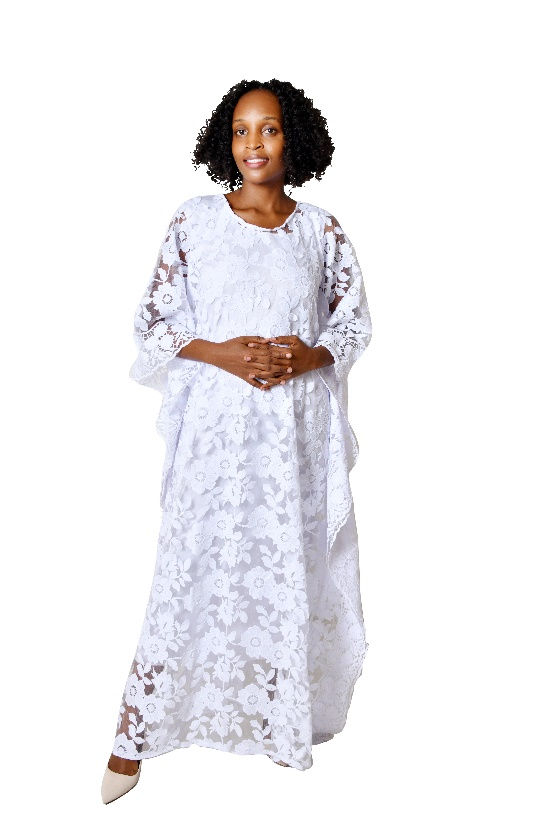
The beauty of Aso-Oke lies in its intricate patterns and the rich, often metallic, threads used. It’s heavy, it’s opulent, and it demands attention. When a Yoruba bride steps out in her Aso-Oke, everyone knows it’s a grand affair. It’s a testament to the family’s status and the bride’s elegance. To complete this regal look, many brides opt for a beautifully embroidered traditional African lace gown for other parts of the celebration, blending the textures seamlessly. You can see a fantastic option like this Traditional African Lace Gown here. It’s a perfect pairing for that regal feel.
2. The Elegant Igbo George Fabric
When it comes to Igbo traditional weddings, the George fabric is king (or should I say, queen). This rich, embroidered fabric, often imported, is known for its luxurious feel, intricate patterns, and stunning embellishments. Igbo brides often wear a two-piece outfit:
- Wrapper (two layers): Usually elaborately embellished and tied around the waist.
- Blouse: Matching or complementary, often adorned with beads, stones, and embroidery.
The George fabric itself can be incredibly diverse, from plain silk George to heavily embellished, metallic-threaded designs. What makes it striking is the way it drapes and shimmers, often paired with layers of coral beads – a symbol of wealth and status in Igbo culture. The head-tie for an Igbo bride is often equally elaborate, sometimes incorporating intricate braids or a crown-like accessory. It’s about making a powerful, elegant statement, showing off prosperity and a deep connection to lineage.
3. The Sophisticated Hausa Wedding Attire
Hausa weddings are often characterised by modesty, elegance, and beautiful, flowing silhouettes. While not as overtly flashy as some other styles, Hausa bridal wear carries a quiet sophistication.
- Lalle: Henna designs adorning the bride’s hands and feet, an essential part of the pre-wedding rituals.
- Abaya or Buba and Wrapper: Brides may choose a flowing, embellished Abaya or a beautiful Buba and matching wrapper, often made from high-quality lace, silk, or embroidered cotton.
- Hijab or Head Covering: Elegantly styled to complement the outfit, often with delicate embroidery.
Hausa dresses often feature intricate embroidery, subtle beadwork, and rich fabrics that exude grace. The focus is on modesty, yet without sacrificing beauty or grandeur. It’s about radiating calm elegance and reverence for tradition. A Classic Full-Length Dress in a suitable fabric could perfectly capture this refined aesthetic, providing both coverage and elegance.
4. The Regal Edo Benin Bridal Gown
An Edo bride’s attire is nothing short of breathtaking. It’s a show of rich cultural heritage and royal splendour. The key elements are:
- Okuku (Coral Beads Crown): This is the showstopper. An elaborate, heavy crown made entirely of coral beads, meticulously styled onto the bride’s head.
- Ewuevbivie (Coral Bead Blouse): A blouse, often made of fine fabric, heavily adorned or even entirely constructed from coral beads.
- Ewu-Edo (Velvet or George Wrapper): A richly coloured velvet or George wrapper, also heavily embellished with coral beads or embroidery.
The weight and craftsmanship of an Edo bridal outfit are truly remarkable. Coral beads are incredibly significant in Benin culture, symbolising royalty, wealth, and power. An Edo bride looks absolutely majestic, like a queen from ancient times. This style is not for the faint-hearted; it’s for a bride who truly wants to embrace her regal side and make an unforgettable entrance.
5. The Vibrant Efik/Ibibio Onyonyo and Ofong Nkanya
Efik and Ibibio bridal attire from the South-South of Nigeria is known for its dramatic flair and vibrant colours. The traditional outfit includes:
- Onyonyo: A large, flowing, and heavily embellished gown, often with dramatic sleeves and intricate details, made from luxurious fabrics like velvet or lace.
- Ofong Nkanya: A highly ornate skirt, often with layers and rich embroidery.
- Coral Beads and Head-tie: Abundant coral beads, usually around the neck and wrists, and an elaborate head-tie or a hairpiece adorned with beads.
Efik brides are known for their bold fashion choices, incorporating bright colours, voluminous designs, and an abundance of traditional accessories. The overall look is grand, elegant, and vibrant, truly reflecting the joyous spirit of their celebrations. If you’re looking for a flowing, elegant dress that still carries that bold African print, something like a Full-Length A-Line Sleeveless Dress could be a modern take on this grandeur.
6. The Simple yet Chic Urhobo/Isoko Wrapper and Blouse
Urhobo and Isoko brides from Delta State often opt for a more understated, yet equally striking, look. Their traditional wedding attire typically involves:
- Two Wrappers: Often made from high-quality lace or Ankara fabric, beautifully tied around the waist.
- Blouse: A matching or complementary blouse, often with intricate embroidery or embellishments.
- Beads: Coral or colourful beads are essential, often worn around the neck, wrists, and even as hair ornaments.
The beauty here lies in the elegance of simplicity, combined with vibrant patterns and rich accessories. It’s about letting the quality of the fabric and the stunning beadwork speak for themselves. This style proves you don’t need a voluminous gown to make a powerful statement. Sometimes, less is genuinely more, especially when the craftsmanship is impeccable. Our philosophy at Moshaki is that every stitch and carving reflects heritage, artistry, and care beyond trends, a principle perfectly exemplified here.
7. The Modern Fusion: Traditional Meets Contemporary Nigerian Wedding Dresses
Let’s be real: traditions evolve. Many Nigerian brides today are opting for a beautiful blend of traditional elements with modern cuts and styles. This could mean:
- A traditional Aso-Oke fabric tailored into a more Western-style ball gown or mermaid silhouette.
- Lace dresses with traditional Nigerian embroidery or beadwork.
- Ankara prints used in a sophisticated, modern gown.
This fusion allows brides to honour their heritage while embracing contemporary fashion trends. It’s about personal expression, creating a unique look that reflects both worlds. This is where you get to break the rules a little, in the best way possible. It’s about taking the best of both worlds and making it *your* world. Think about a Moshaki African Maxi Dress, perhaps with a touch of modern tailoring, allowing you to celebrate tradition in a fresh, stylish way.
8. The Dazzling Calabar (Efik/Ibibio) White Wedding Attire
While most Nigerian traditional weddings burst with colour, some Efik/Ibibio communities also have a stunning white wedding ceremony. But don’t mistake it for a Western white wedding; it’s distinctly Nigerian:
- White George or Lace: The fabric is still luxurious George or intricately detailed lace, but in pristine white.
- Embellishments: Still heavily adorned with silver or gold embroidery, beads, and sequins.
- Cultural Accessories: Coral beads, white head-ties or crowns, and traditional hand fans are often part of the ensemble.
It’s a beautiful alternative for brides who love the purity of white but still want the undeniable grandeur and cultural depth of a Nigerian wedding. It merges the familiar with the distinctly authentic, creating a truly memorable look.
9. The Classic Igbo Lace Gown
Beyond the George fabric, a classic lace gown is another staple for Igbo brides, especially for church ceremonies or as a second outfit for the traditional engagement. These are often:
- High-Quality Lace: Imported lace, often corded or heavily embroidered, chosen for its elegance.
- Tailored Silhouettes: Fitted gowns, often mermaid or A-line, that flatter the figure.
- Minimalist or Elaborate: Can range from subtly embellished to heavily beaded, depending on personal taste.
Paired with an elegant head-tie (gele) or a chic hair fascinator, this look is all about refined grace. It’s a versatile choice that allows for various levels of adornment, making it suitable for different parts of the wedding celebration. A prime example is our Traditional African Lace Gown, designed for special occasions and embodying that timeless elegance.
10. The Fulani Wodaabe Inspired Attire
While less commonly seen in mainstream wedding portrayals, the nomadic Fulani people, particularly the Wodaabe, have a unique and captivating bridal aesthetic that deserves mention for its intricate beauty.
- Hand-embroidered Fabrics: Often deep, rich colours with meticulously hand-stitched patterns.
- Unique Headpieces: Elaborate head decorations, sometimes incorporating cowrie shells, beads, and intricate braids.
- Geometric Patterns: Designs often feature symbolic geometric patterns.
This style is deeply rooted in tradition and natural elements, offering a distinctly earthy yet elegant beauty. It’s a powerful reminder of the incredible diversity within Nigerian culture and the myriad ways brides express their heritage. It highlights how every Moshaki piece promotes local craftsmanship, fair trade practices, and the use of sustainable materials. This is design with purpose for those who value quality, heritage, and style.
Choosing Your Perfect Nigerian Wedding Dress: What You Need to Know
Alright, you’ve seen the options. Now, how do you pick *your* dress? It’s not just about what looks good; it’s about what feels right, what resonates with your heritage, and what fits your vision for the big day. Here’s a no-nonsense guide:
Understand Your Heritage
First things first: what ethnic group are you honouring? Igbo, Yoruba, Hausa, Edo, Efik? Each has its distinct traditional attire. Research these. Talk to elders. Look at family photos. This isn’t just picking a dress; it’s connecting to your roots. The authenticity makes the dress genuinely shine.
Consider Your Body Type and Comfort
Look, a wedding day is long. You’ll be standing, dancing, greeting guests. You need to be comfortable. While some traditional dresses are voluminous, modern tailoring can make them surprisingly easy to wear. Pick a silhouette that flatters your figure and allows you to move freely. Confidence comes from comfort, and confidence is your best accessory.
Factor in Colour and Fabric
Traditional Nigerian weddings are renowned for their vibrant colour palettes. Don’t be afraid to embrace bold hues. When it comes to fabric, consider the climate and the overall feel you want. Lace, George, Aso-Oke, and Ankara all offer different textures and levels of grandeur. Think about how these fabrics feel against your skin and how they’ll photograph. Remember, quality matters. That’s why at Moshaki, we focus on high-quality clothing that truly lasts.
Embellishments: More Isn’t Always Better (But Sometimes It Is)
Nigerian wedding dresses are known for their intricate beadwork, embroidery, and embellishments. Decide if you want a heavily adorned look or something more subtle. It’s a personal choice, but remember that these details add significant weight and impact. Don’t underestimate the power of a few strategically placed, high-quality details over excessive, cheap ones.
Don’t Forget the Accessories
The head-tie (gele), jewellery (especially coral beads for Igbo and Edo brides), and shoes are just as crucial as the dress itself. These aren’t afterthoughts; they complete the look. Ensure they complement your dress and personal style. It’s the full package that creates the unforgettable impression. Need inspiration? Check out how stunning these accessories look with our Classic Full-Length Dress.
FAQ: Your Burning Questions About Nigerian Wedding Dresses Answered
Q1: How much does a traditional Nigerian wedding dress typically cost?
A: The cost varies significantly based on factors like the fabric quality (e.g., authentic Aso-Oke, imported George lace), the intricacy of the embellishments (hand-beading versus machine embroidery), the designer’s reputation, and whether it’s custom-made. Expect a wide range, but generally, bespoke traditional outfits involve a significant investment due to the artisanal craftsmanship involved.
Q2: Can I wear a white wedding dress for my Nigerian traditional wedding?
A: Traditionally, Nigerian weddings are known for vibrant colours, with white being reserved for church ceremonies. However, modern brides sometimes incorporate white or ivory lace with traditional Nigerian embellishments or head-ties for their engagement ceremony. Ultimately, it depends on your specific family traditions and personal preference. There are no strict rules that can’t be creatively adapted.
Q3: How long does it take to create a custom Nigerian wedding dress?
A: For a truly custom, handmade Nigerian wedding dress with intricate details like extensive beadwork or specific patterns, it can take anywhere from 3 to 6 months, or even longer for very elaborate designs. It’s crucial to consult with your designer or tailor well in advance to avoid last-minute stress.
Q4: What’s the difference between Aso-Oke and George fabric?
A: Aso-Oke is a hand-woven, indigenous fabric primarily associated with the Yoruba people, known for its thick texture and often metallic threads. George fabric is typically an imported, embroidered fabric, often with a silk-like sheen, heavily used by the Igbo people and other groups, known for its luxurious feel and intricate embellishments. Both are opulent but distinct in their origin and texture.
Q5: Where can I find authentic Nigerian wedding dresses?
A: You can find authentic Nigerian wedding dresses from specialised bridal boutiques in Nigeria, reputable tailors with expertise in African traditional wear, or online stores and designers who source directly from African artisans. Look for sellers who emphasise craftsmanship and cultural authenticity. At Moshaki, we pride ourselves on connecting you to skilled artisans and our rich cultural heritage, ensuring every piece you find is of high quality and purpose-driven.
Final Thoughts on Adorning Your Special Day
So, there you have it. Choosing your Nigerian wedding dress isn’t just a task; it’s a journey. It’s an exploration of culture, a celebration of artistry, and a powerful statement of identity. Whether you opt for the majestic Aso-Oke, the dazzling George, the regal coral beads, or a stunning fusion of modern and traditional, your dress will tell a story – your story. It’s an investment, not just in fabric, but in memories, in heritage, and in a future built on strong foundations. Just remember: confidence is key, authenticity is paramount, and your joy will be the most beautiful accessory of all. This is about making an impact, creating a legacy, and looking absolutely phenomenal while you do it.
At Moshaki, we believe in design with purpose. We champion local craftsmanship, fair trade, and sustainable materials, so you can be sure that when you choose an African-inspired piece, you’re not just looking good; you’re doing good. Our pieces, like the elegant Full-Length A-Line Sleeveless Dress, are a testament to quality, heritage, and style that lasts beyond the wedding day.
Ready to explore more incredible pieces that celebrate African heritage and timeless design? Visit our clothing collection today.
Contact Us
The Office: Mikocheni Rose Garden Road – Vunjabei, Kinondoni, Dar es Salam
Phone Number: +255 655 220 387
Email: info@moshaki.com
Business Hours:
- Monday – Friday: 8am – 4pm
- Saturday – Sunday: 9am – 5pm